























 cannabis may still have harmful mold – MJBizDaily” style=”width:100%;max-height:420px;object-fit:cover;border-radius:8px;display:block;” />
#72 Notable Clinical Interest
Emerging findings or policy developments worth monitoring closely.
I need to see the article summary to write an informed response. Could you provide the summary text so I can explain the clinical relevance accurately?
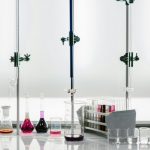
A researcher studying cannabis remediation processes found that standard decontamination methods used to eliminate mold from cannabis products may not completely remove all harmful fungal compounds, potentially leaving patients exposed to mycotoxins even after treatment. This finding is particularly concerning for immunocompromised patients, those with respiratory conditions, and individuals using cannabis therapeutically who believe their products are safe after remediation. Current industry remediation techniques, while effective at reducing visible mold, may fail to eliminate heat-stable mycotoxins that can cause serious health complications. The research underscores a gap between regulatory standards that focus on mold elimination and actual product safety testing, as many jurisdictions do not mandate mycotoxin screening in remediated cannabis. This discovery has implications for both product labeling and clinical counseling, as physicians should recognize that remediation does not guarantee complete safety. Clinicians advising cannabis-using patients should discuss the limitations of remediation, inquire about third-party testing results for mycotoxins beyond just mold counts, and remain alert for unexplained respiratory or immunological symptoms that could indicate mycotoxin exposure.
“We’ve known for years that heavy metal and microbial contamination are real problems in cannabis cultivation, but what this research highlights is that remediation protocols aren’t foolproof, and patients with compromised immune systems or respiratory conditions remain genuinely at risk. I’ve had to counsel more than a few patients to reconsider their consumption method or source after learning about mold exposure, which tells me we need mandatory, standardized testing that’s actually enforced, not just recommended.”
🔬 While cannabis remediation techniques are marketed as solutions to eliminate mold contamination, emerging research suggests that treated products may retain harmful fungal metabolites and structural components even after visible mold is removed, posing potential respiratory and immunological risks to consumers. This finding is particularly relevant for immunocompromised patients, those with underlying respiratory conditions, and individuals using cannabis via inhalation, who face elevated vulnerability to mold-related complications. Clinicians should be aware that patient reports of “clean” or “tested” cannabis products may not exclude exposure to residual mold contaminants, and current laboratory testing standards may not adequately capture the full spectrum of fungal hazards. The inconsistency between remediation claims and actual product safety underscores a significant gap in cannabis quality assurance oversight across most jurisdictions. When counseling patients about cannabis use, providers should explicitly discuss the potential for mold contamination regardless of product claims, inqu
This topic comes up in consultations often.
Dr. Caplan offers clinical context on evolving cannabis policy and its real-world implications for patients.
Book a consultation →💬 Join the Conversation
Have a question about how this applies to your situation? Ask Dr. Caplan →
Want to discuss this topic with other patients and caregivers? Join the forum discussion →
Have thoughts on this? Share it: