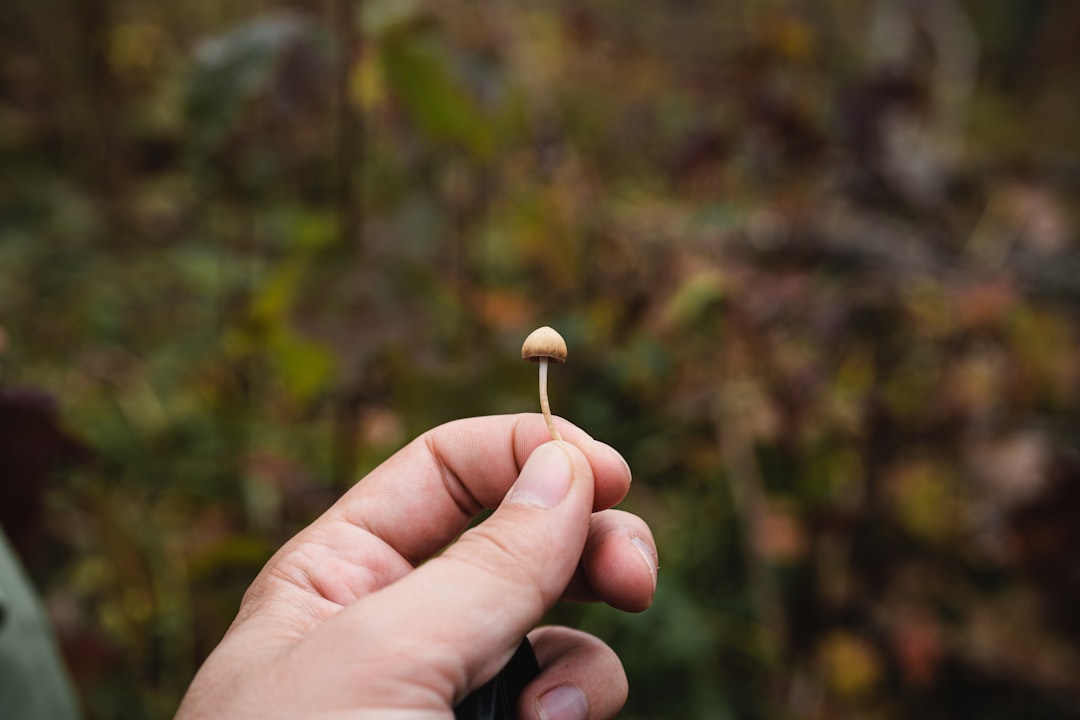
The gap between psilocybin’s mainstream adoption and regulatory framework creates significant clinical risk exposure for physicians and patients. Clinicians need clear guidance on drug interactions, contraindications, and appropriate patient screening as patients increasingly present with undisclosed psilocybin use.
Psilocybin mushrooms are experiencing widespread societal acceptance and use despite remaining federally illegal and lacking comprehensive clinical safety data. While preliminary research suggests therapeutic potential for depression and PTSD, the current evidence base consists primarily of small, controlled studies with limited long-term safety data. The regulatory lag means patients are accessing unregulated products without clinical oversight, creating potential safety concerns around dosing consistency, drug interactions, and psychiatric contraindications.
“I’m seeing patients who assume psilocybin is ‘natural and safe’ without understanding the serious contraindications with psychiatric medications or underlying conditions. We need honest conversations about both the promising research and the very real risks of unsupervised use.”
💬 Join the Conversation
Have a question about how this applies to your situation? Ask Dr. Caplan →
Want to discuss this topic with other patients and caregivers? Join the forum discussion →
Have thoughts on this? Share it:
Table of Contents
- FAQ
- What mental health conditions are being discussed in this clinical update?
- Are psychedelics being used to treat depression?
- What should patients know about drug interactions with these treatments?
- How does cannabis relate to mental health treatment?
- Why is this clinical update considered highly relevant?
FAQ
What mental health conditions are being discussed in this clinical update?
This update focuses on depression and other mental health conditions. The clinical relevance rating indicates this has strong evidence with direct implications for patient care.
Are psychedelics being used to treat depression?
Yes, psychedelics are being studied and used as potential treatments for depression. This represents an emerging area of mental health treatment with high clinical significance.
What should patients know about drug interactions with these treatments?
Drug interactions are a key consideration when using psychedelics or cannabis for mental health treatment. Patients should always consult with healthcare providers about potential interactions with their current medications.
How does cannabis relate to mental health treatment?
Cannabis is being evaluated for various mental health applications, including depression treatment. The clinical evidence suggests this has direct implications for patient care and treatment decisions.
Why is this clinical update considered highly relevant?
This update receives a high clinical relevance rating (#80) because it presents strong evidence with direct clinical implications. This means the information has immediate practical applications for healthcare providers and patients.