#35 Clinical Context
Background information relevant to the evolving cannabis medicine landscape.
Clinicians should be aware that THC beverage availability is shifting from general retail to dispensary-only channels, which may affect patient access patterns and inform counseling about product sourcing and regulatory compliance. This regulatory change creates an opportunity for providers to discuss with patients the distinction between legally regulated dispensary products and unregulated retail alternatives, improving harm reduction discussions around product consistency and dosing accuracy. Understanding these market transitions helps clinicians anticipate patient questions about where to obtain cannabis products and reinforces the importance of accessing tested, regulated products through legitimate channels.
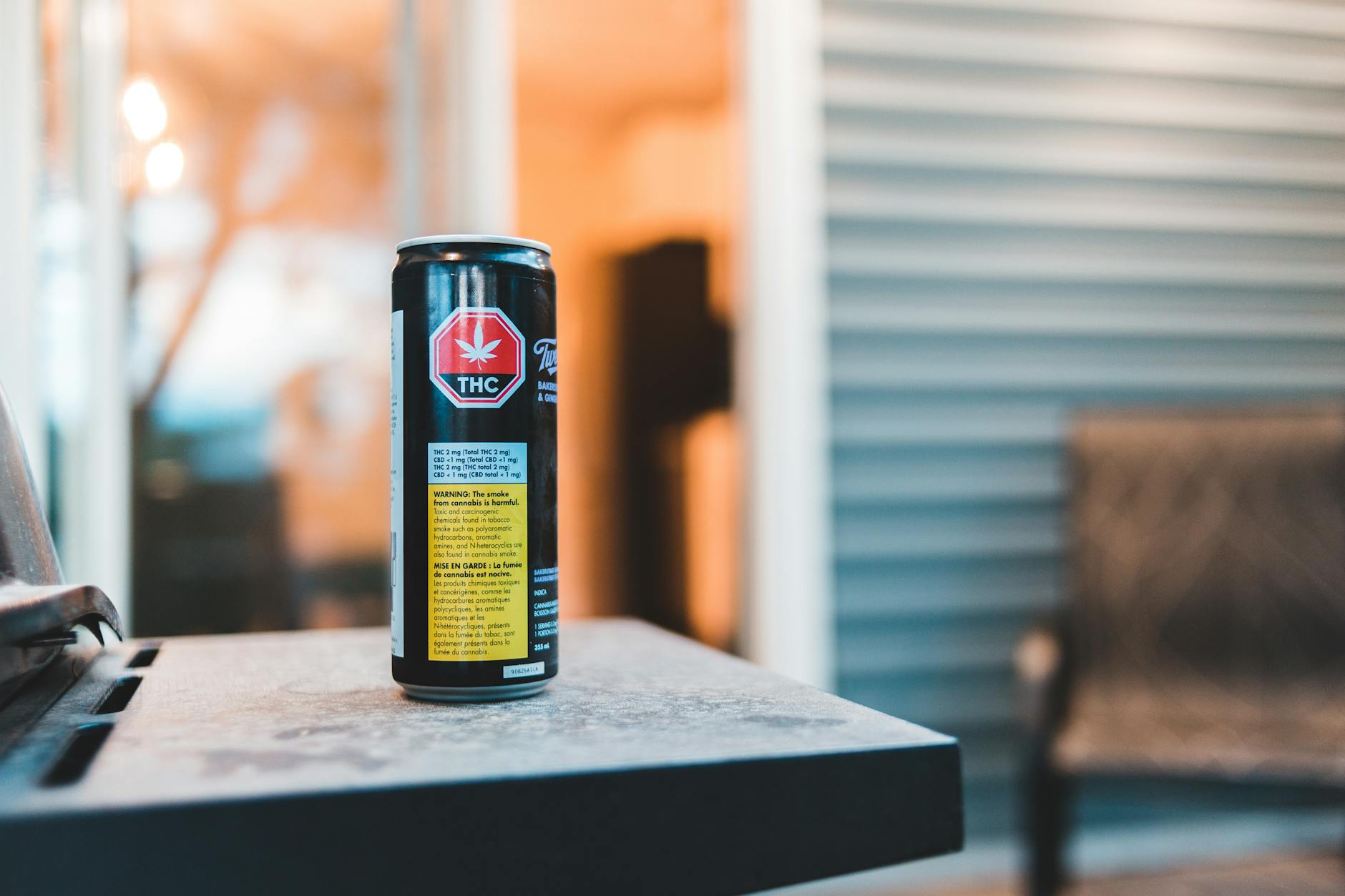
Ohio retailers are voluntarily removing THC-infused beverages from shelves in anticipation of regulatory changes that will restrict their sale to licensed marijuana dispensaries only. This shift reflects evolving state cannabis policy aimed at consolidating THC product distribution through regulated channels rather than conventional retail outlets. The transition affects both consumer access patterns and the competitive landscape for cannabis beverage manufacturers, who must now navigate licensing requirements and dispensary partnerships to maintain market presence. For clinicians, this regulatory consolidation may improve product standardization and traceability, potentially making it easier to counsel patients on dosing, potency, and quality assurance compared to the current unregulated retail environment. Patients seeking THC beverages will need to access licensed dispensaries rather than convenience stores or breweries, which may impact convenience but should enhance product safety oversight. Clinicians should inform patients about this access change and use the transition as an opportunity to discuss THC dosing, onset times specific to beverages, and potential interactions with medications.
“What we’re seeing in Ohio is a necessary correction that will actually improve patient safety and product consistency. When THC beverages are sold through unregulated channels alongside conventional drinks, we lose clinical oversight of dosing, and patients end up in my office with unexpected adverse effects that could have been prevented through proper dispensary counseling and standardized labeling.”
🍺 As Ohio transitions THC beverages from general retail to dispensary-only sales, clinicians should recognize that supply-side restrictions may shift patient access patterns and consumption behaviors in ways that are difficult to predict. While limiting availability in mainstream retail settings could reduce casual or inadvertent use—particularly among adolescents—patients with legitimate cannabis use may face barriers to convenient access, potentially driving them toward alternatives like smoking or illicit sources. The clinical significance remains unclear, as evidence on whether dispensary-exclusive models improve or worsen health outcomes compared to broader availability is limited, and individual patient factors (chronic pain, nausea, insomnia, anxiety) will likely determine whether regulatory changes meaningfully affect clinical outcomes. Providers should anticipate that patients may ask about where to obtain THC products legally and should be prepared to discuss the regulatory landscape, potential risks of switching consumption methods, and the current evidence (or lack thereof) regarding any health benefits of TH
💬 Join the Conversation
Have a question about how this applies to your situation? Ask Dr. Caplan →
Want to discuss this topic with other patients and caregivers? Join the forum discussion →
Have thoughts on this? Share it: