#75
Strong Clinical Relevance
High-quality evidence with meaningful patient or clinical significance.
Understanding the biosynthetic pathways of THC, CBD, and CBC is essential for developing standardized cannabis cultivars with predictable cannabinoid profiles, which directly impacts clinical dosing precision and therapeutic consistency. This mechanistic knowledge enables rational drug development and quality control in pharmaceutical cannabis production, moving the field from empirical plant selection toward evidence-based medicine. Clarifying these pathways also facilitates breeding strategies to maximize therapeutic cannabinoids while minimizing variable compounds, improving reproducibility of clinical outcomes.
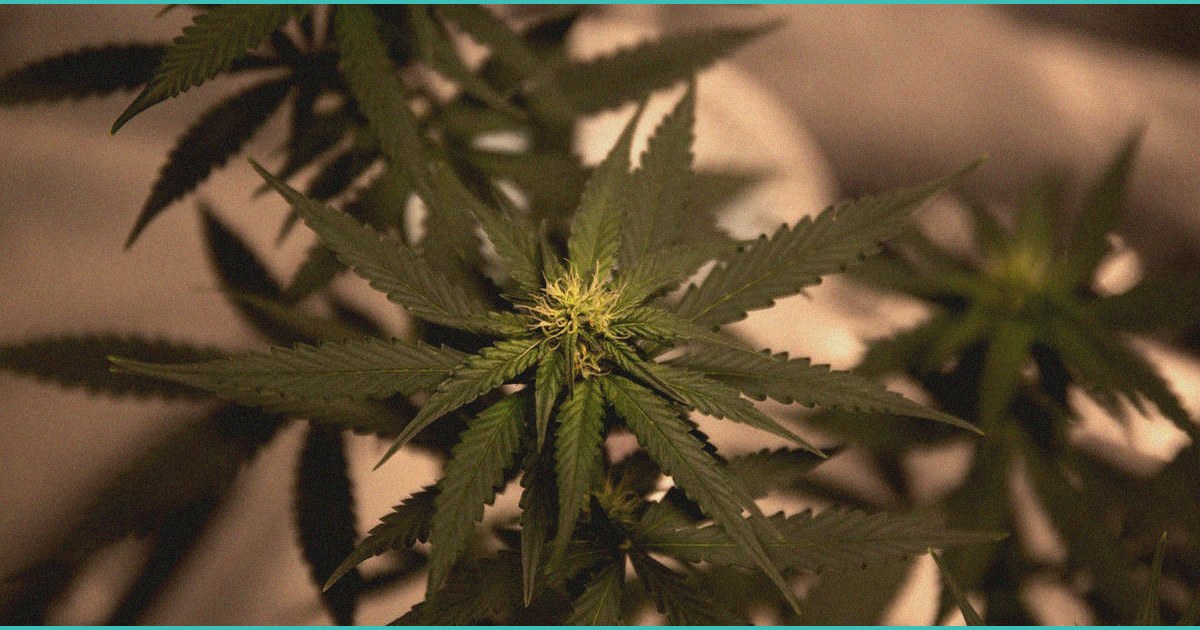
Researchers have elucidated the biosynthetic pathways governing production of THC, CBD, and CBC in cannabis plants, clarifying the genetic and enzymatic mechanisms that determine which cannabinoids accumulate in different plant varieties. This fundamental understanding of cannabinoid biosynthesis creates opportunities for selective breeding or genetic modification to produce plants with specific cannabinoid profiles tailored to therapeutic applications. For clinicians, this knowledge enables more predictable formulation development and standardization of cannabis-derived medications, moving away from variable botanical preparations toward pharmaceutically defined products. The ability to enhance production of therapeutic cannabinoids like CBD while minimizing psychoactive compounds could facilitate development of safer, more consistent therapeutic options for conditions such as seizure disorders, anxiety, and inflammatory diseases. Clinicians should be aware that continued research into cannabinoid biosynthesis may soon enable access to pharmaceutical-grade cannabis products with validated composition and dosing, improving the scientific foundation for evidence-based prescribing in their practice.
“What this biosynthesis research tells us clinically is that we can now begin to understand why different cannabis chemotypes produce such varied therapeutic effects in patients, which means we’re moving beyond anecdotal dosing toward rational cannabinoid selection based on actual plant biochemistry rather than guesswork.”
🧬 While understanding the biosynthetic pathways of THC, CBD, and CBC offers valuable mechanistic insight into how cannabis produces its active compounds, clinicians should recognize that identifying the origins of these cannabinoids in the plant does not directly translate to improved patient outcomes or clarified therapeutic effects. The therapeutic potential of cannabis depends not only on which cannabinoids are present but also on their relative proportions, the presence of numerous other phytochemicals, individual patient metabolism, route of administration, and the specific clinical condition being treated—variables that basic plant biochemistry cannot fully address. Furthermore, the lack of well-controlled clinical trials comparing products with defined cannabinoid profiles means that knowing how plants synthesize these compounds remains several steps removed from evidence-based dosing or patient selection. In practice, this foundational research may eventually inform cultivation strategies to optimize therapeutic cannabinoid ratios, but clinicians should continue to rely on emerging clinical evidence and patient-reported
💬 Join the Conversation
Have a question about how this applies to your situation?
Ask Dr. Caplan →
Want to discuss this topic with other patients and caregivers?
Join the forum discussion →
Have thoughts on this? Share it: