#65
Notable Clinical Interest
Emerging findings or policy developments worth monitoring closely.
Clinicians should understand this study’s documentation of long-term neurological consequences from heavy alcohol use, as it provides comparative data for counseling patients considering cannabis as a safer alternative to alcohol. Patients with alcohol use disorder may benefit from evidence-based discussions about cannabis as a potential harm reduction strategy, though clinicians need current literature on cannabis safety profiles to make informed recommendations. This research underscores the importance of screening dual users and understanding how cannabis and alcohol interactions might affect neurological outcomes differently than either substance alone.
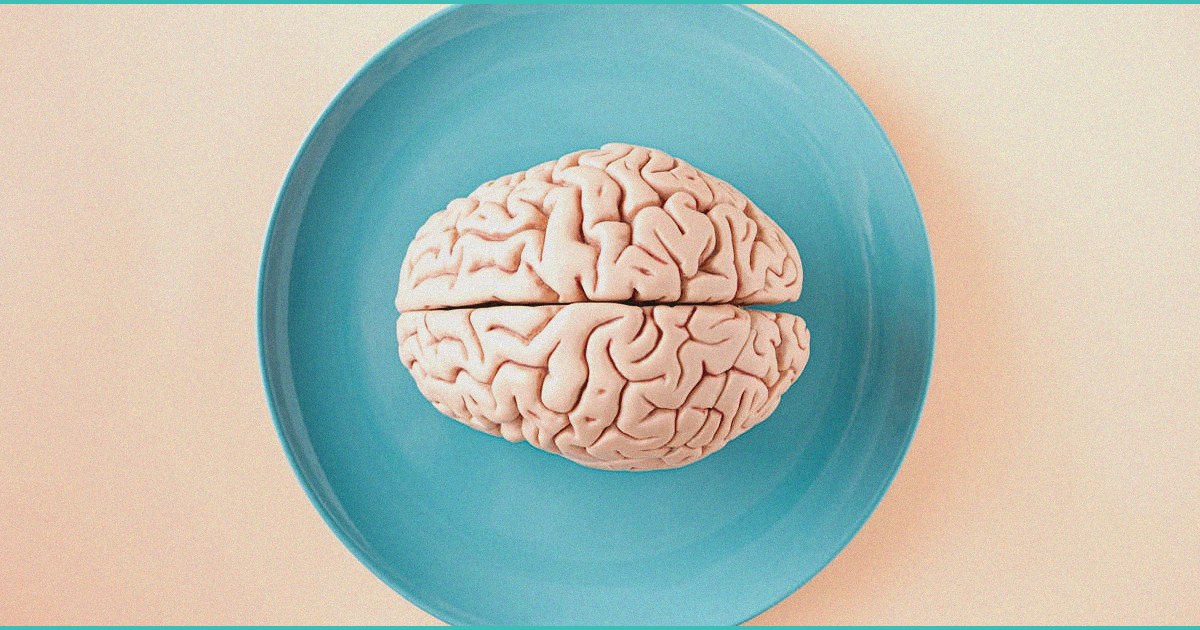
A longitudinal study documenting 35 years of heavy alcohol consumption reveals significant cumulative neurological damage including brain atrophy, white matter deterioration, and cognitive decline, findings particularly relevant to clinicians treating patients with concurrent alcohol and cannabis use. The progressive nature of alcohol-related brain injury has direct implications for clinical assessment and counseling, as patients using both substances may experience compounded neurotoxic effects and accelerated cognitive decline compared to those using either substance alone. Understanding the timeline and severity of alcohol’s neurological impact helps clinicians contextualize cannabis use patterns in polysubstance users and identify those at highest risk for adverse outcomes. The study underscores the importance of detailed substance use histories and neuropsychological screening in patients with long-standing alcohol use, particularly when cannabis is also being used medicinally or recreationally. Clinicians should counsel patients about potential synergistic risks to brain health when both alcohol and cannabis are present and consider more conservative dosing or alternative treatments in this vulnerable population. Patients with chronic alcohol histories should undergo baseline cognitive assessment before initiating cannabis therapy to establish whether cannabis might further compromise neurological function.
“What this study reinforces is that the cumulative neurotoxicity of chronic heavy alcohol use is well-established and severe, which is precisely why many of my patients have made the deliberate choice to substitute cannabis for daily drinking, and the clinical outcomes in terms of cognitive preservation and liver function have been measurably better in that population over the past two decades.”
🧠 While this study provides mechanistic insight into how chronic alcohol exposure may dysregulate the endocannabinoid system over decades, clinicians should recognize that the research does not directly evaluate cannabis as a therapeutic intervention. The endocannabinoid system’s involvement in mood and stress regulation is well-established, yet extrapolating from alcohol-induced dysfunction to cannabis-based treatment efficacy requires caution, particularly given the heterogeneity of cannabis preparations, dosing variability, and the distinct pharmacology of exogenous cannabinoids versus endogenous signaling. Long-term alcohol use disorder already carries well-documented cognitive and psychiatric sequelae through multiple pathways beyond endocannabinoid dysregulation, making it difficult to isolate whether cannabinoid modulation could meaningfully reverse these changes or serve as adjunctive therapy. In practice, while understanding the endocannabinoid system’s role in neurobi
💬 Join the Conversation
Have a question about how this applies to your situation?
Ask Dr. Caplan →
Want to discuss this topic with other patients and caregivers?
Join the forum discussion →
Have thoughts on this? Share it: