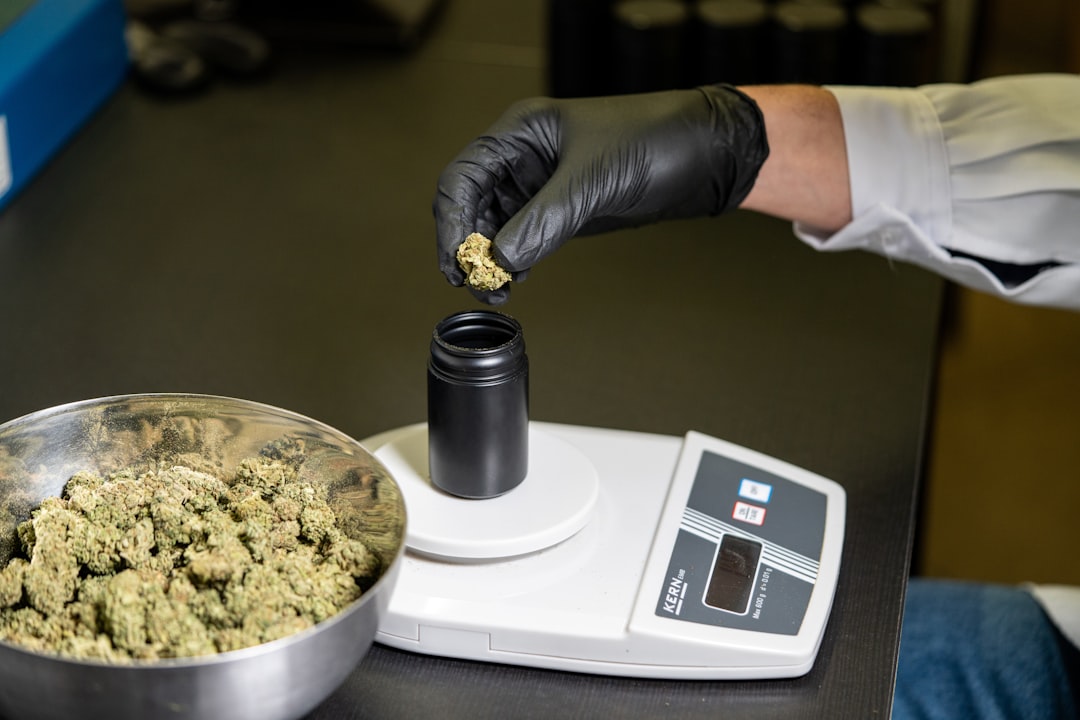
New medical cannabis access points represent critical infrastructure for patient care continuity and physician education. Clinic openings in previously underserved markets often indicate evolving regulatory landscapes that affect prescribing patterns and patient access to evidence-based cannabis therapeutics.
A new medical cannabis clinic in Louisville held an open house event to introduce their program to the community. This represents expansion of specialized cannabis medicine services in Kentucky, where medical cannabis legislation has created new pathways for patient access. The clinic opening suggests growing infrastructure to support patients qualifying under the state’s medical cannabis program, though specific clinical services and physician expertise levels are not detailed in the coverage.
“Every new clinic represents both opportunity and responsibility—patients deserve the same evidence-based, safety-focused care they’d expect from any medical intervention. The real measure isn’t how many clinics open, but whether they’re staffed with clinicians who understand cannabis pharmacology and can navigate the complexities of dosing, drug interactions, and realistic outcome expectations.”
💬 Join the Conversation
Have a question about how this applies to your situation? Ask Dr. Caplan →
Want to discuss this topic with other patients and caregivers? Join the forum discussion →
Have thoughts on this? Share it:
Table of Contents
FAQ
What is the clinical relevance rating of this cannabis news?
This article has been assigned CED Clinical Relevance #76, indicating “Notable Clinical Interest.” This rating signifies emerging findings or policy developments that are worth monitoring closely by healthcare professionals.
What state does this medical cannabis news concern?
This news article focuses on developments in Kentucky. The state appears to be making progress in medical cannabis policy or infrastructure development.
What aspects of medical cannabis does this article cover?
The article addresses multiple key areas including patient access to medical cannabis and clinical infrastructure development. These are fundamental components for implementing a functional medical cannabis program.
Why is this considered noteworthy for clinicians?
As an emerging finding or policy development, this represents important changes in the medical cannabis landscape that clinicians should be aware of. Such developments can impact patient care options and treatment protocols.
What type of cannabis program is being discussed?
This article specifically focuses on medical cannabis rather than recreational use. The emphasis on clinical infrastructure and access suggests discussion of a regulated medical program for qualified patients.