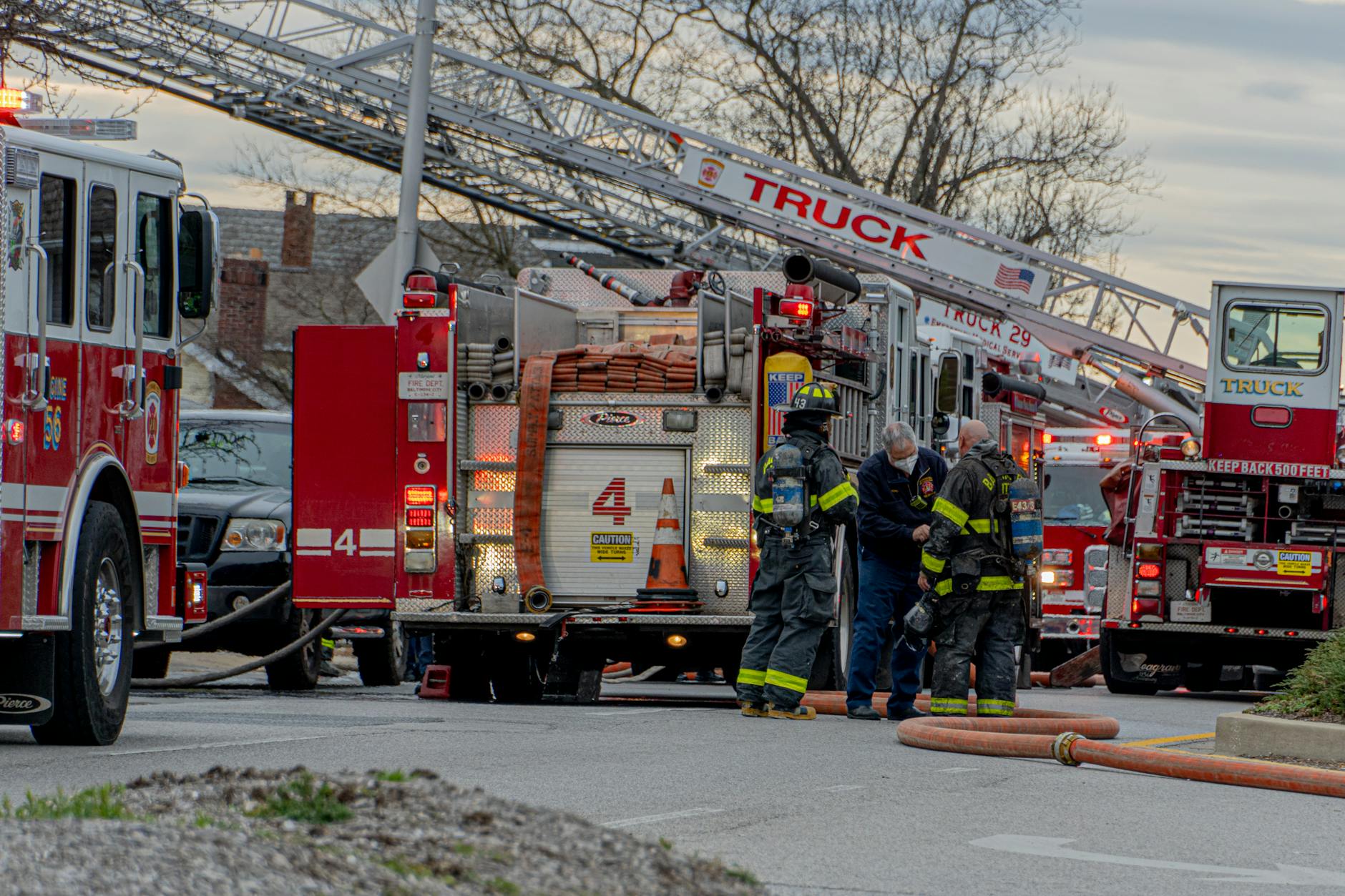
This legislation addresses a critical barrier to medical cannabis access for first responders who experience PTSD and other service-related conditions at disproportionately high rates. Employment protections for off-duty medical cannabis use could improve treatment compliance and reduce reliance on potentially more harmful medications in this high-risk population.
Maryland has passed legislation protecting firefighters and rescue workers from employment discrimination when using medical cannabis off-duty under physician supervision. First responders experience PTSD at rates 5-10 times higher than the general population, yet many avoid evidence-supported treatments due to employment concerns. The bill maintains workplace safety standards while recognizing medical cannabis as legitimate healthcare. Similar protections exist in other states but remain inconsistent across jurisdictions.
“I’ve treated hundreds of first responders who delayed or avoided medical cannabis therapy because they feared losing their jobs. This kind of sensible policy removes a major treatment barrier while maintaining appropriate workplace safety standards.”
💬 Join the Conversation
Have a question about how this applies to your situation? Ask Dr. Caplan →
Want to discuss this topic with other patients and caregivers? Join the forum discussion →
Have thoughts on this? Share it:
Table of Contents
FAQ
What is the clinical relevance rating of this cannabis news?
This article has been assigned CED Clinical Relevance #70, indicating “Notable Clinical Interest.” This rating suggests the content contains emerging findings or policy developments that are worth monitoring closely by healthcare professionals.
What conditions does this cannabis news relate to?
Based on the article tags, this news primarily relates to PTSD treatment. The focus appears to be on cannabis applications for mental health conditions, particularly post-traumatic stress disorder.
Who is the target population discussed in this article?
The article specifically focuses on first responders as indicated by the topic tags. This suggests the news covers cannabis policy or treatment options relevant to police officers, firefighters, paramedics, and other emergency response personnel.
What type of policy developments are covered?
The article discusses policy changes related to cannabis use and employment matters for first responders. This likely involves workplace policies, legal protections, or regulatory changes affecting cannabis use in emergency services professions.
Why is this considered emerging or notable clinical information?
As classified under “Notable Clinical Interest,” this represents developing policy or clinical findings that warrant close monitoring. The intersection of cannabis treatment for PTSD and employment policies for first responders represents an evolving area of healthcare policy and practice.