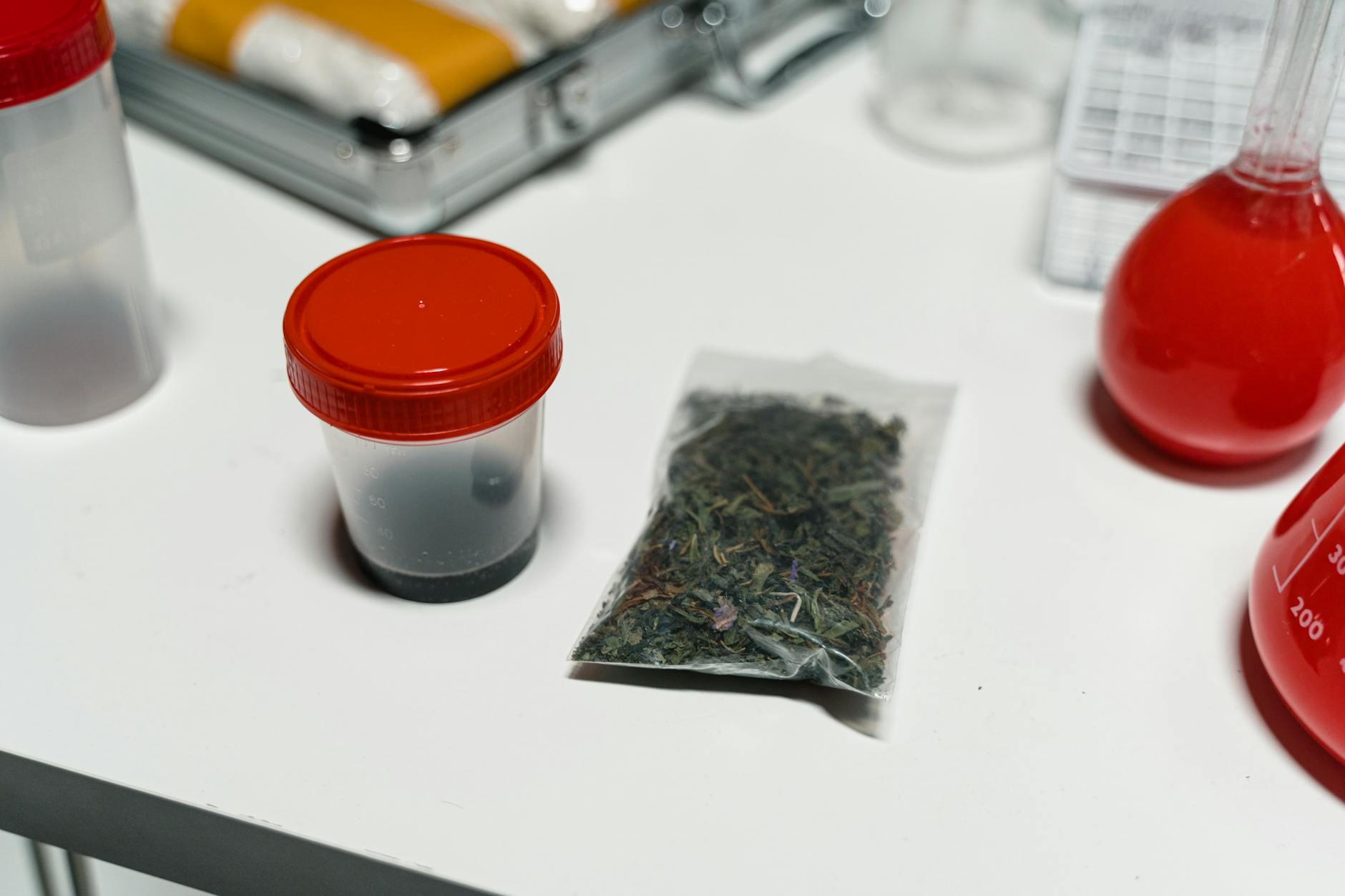
Rising poison center calls for kratom signal potential safety concerns for a substance increasingly used by patients seeking alternatives to prescription pain medications and opioids. Clinicians need awareness of kratom’s toxicity profile and drug interactions as patient use grows in regions where it remains legal.
CDC data shows increasing reports of kratom-related adverse events to poison control centers, though the report lacks specificity on exposure patterns, co-ingestions, or clinical outcomes. Kratom contains mitragynine and 7-hydroxymitragynine, which act as partial opioid receptor agonists and can cause respiratory depression, seizures, and drug interactions. The substance remains unregulated federally but banned in several states, creating inconsistent access and quality control.
“I’m seeing more patients using kratom for pain and opioid withdrawal, but the quality control issues and drug interaction potential make this concerning. We need better data on dosing, formulations, and actual clinical outcomes—not just poison center calls.”
💬 Join the Conversation
Have a question about how this applies to your situation? Ask Dr. Caplan →
Want to discuss this topic with other patients and caregivers? Join the forum discussion →
Have thoughts on this? Share it:
Table of Contents
FAQ
What is the clinical relevance rating of this cannabis news?
This article has been assigned CED Clinical Relevance #70, indicating “Notable Clinical Interest.” This rating suggests the content contains emerging findings or policy developments that healthcare professionals should monitor closely.
What medical areas does this cannabis research relate to?
The research focuses on pain management, substance use, drug safety, and opioid alternatives. These interconnected areas represent key therapeutic applications where cannabis may offer clinical benefits.
How does this relate to the opioid crisis?
The “Opioid Alternatives” classification suggests this research explores cannabis as a potential substitute or complement to opioid medications. This is particularly relevant given ongoing efforts to reduce opioid dependence while maintaining effective pain management.
What should healthcare providers know about cannabis for pain management?
Cannabis is being studied as a pain management option that may offer benefits with potentially different side effect profiles than traditional medications. Healthcare providers should stay informed about emerging evidence to make informed treatment decisions.
Why is drug safety highlighted in this cannabis research?
Drug safety considerations are crucial when evaluating any therapeutic intervention, including cannabis products. This includes understanding potential interactions, contraindications, and appropriate dosing protocols for clinical use.