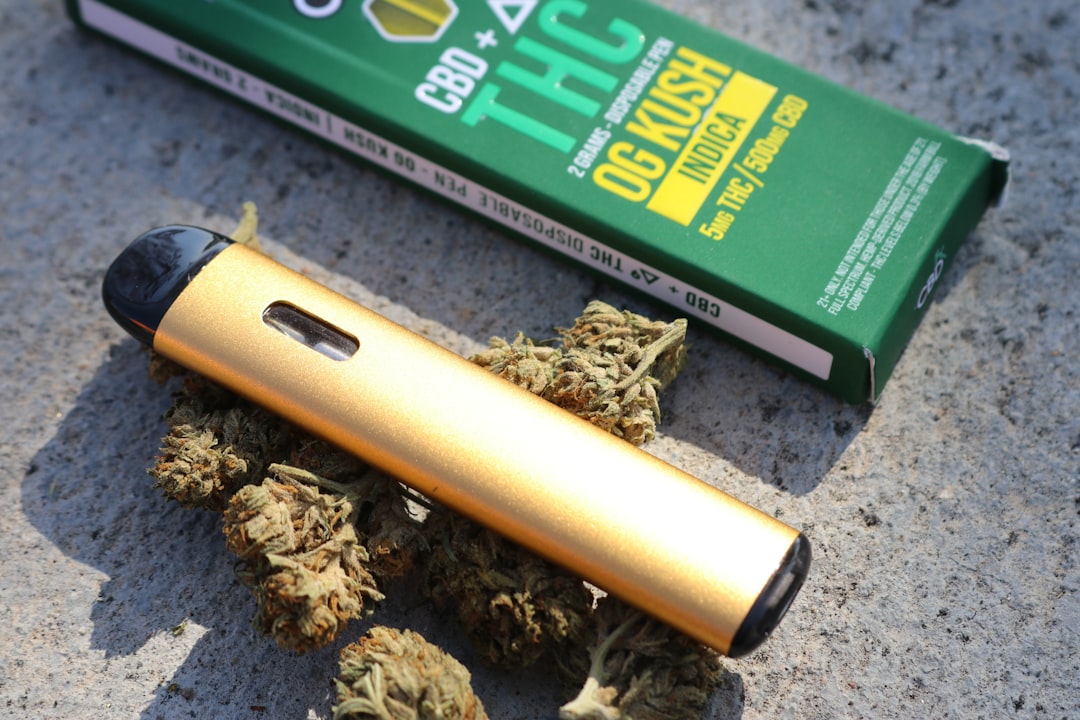
Cannabis Hyperemesis Syndrome (CHS) represents a serious clinical condition that can lead to severe dehydration, electrolyte imbalances, and emergency department visits. Understanding delivery method associations helps clinicians identify at-risk patients and guide appropriate counseling around consumption patterns.
Cannabis Hyperemesis Syndrome is characterized by cyclic episodes of severe nausea, vomiting, and compulsive hot bathing in chronic cannabis users. This study suggests heavy vape cartridge use may be associated with increased CHS risk, potentially due to higher THC concentrations in concentrate-based products or different consumption patterns. The mechanism remains unclear, though theories include cannabinoid receptor desensitization and effects on gastric motility. CHS typically resolves with cannabis cessation but can recur with resumed use.
“In my practice, I’ve seen CHS patients who initially don’t connect their symptoms to cannabis use, especially when using ‘cleaner’ delivery methods like vaping. The concentrate connection makes sense given the exponentially higher THC doses patients can achieve with cartridges versus flower.”
💬 Join the Conversation
Have a question about how this applies to your situation? Ask Dr. Caplan →
Want to discuss this topic with other patients and caregivers? Join the forum discussion →
Have thoughts on this? Share it:
Table of Contents
FAQ
What is Cannabis Hyperemesis Syndrome (CHS)?
CHS is a condition characterized by recurrent episodes of severe nausea, vomiting, and abdominal pain in chronic cannabis users. It typically develops after years of regular cannabis use and can be debilitating for patients.
How does vaping cannabis relate to CHS?
Vaping cannabis can still trigger CHS symptoms, as the condition is related to THC exposure rather than the method of consumption. Patients who switch from smoking to vaping may still experience CHS episodes if they continue using THC-containing products.
What role does THC play in CHS development?
THC is the primary cannabinoid responsible for CHS development. Higher potency THC products and frequent use increase the risk of developing this syndrome, making dosage and frequency important clinical considerations.
How is CHS diagnosed and treated from a gastroenterology perspective?
CHS diagnosis is primarily clinical, based on history of chronic cannabis use and characteristic symptoms. The most effective treatment is complete cessation of cannabis use, though supportive care for symptoms may be necessary during acute episodes.
What should clinicians know about CHS for patient care?
Clinicians should be aware that CHS is increasingly common with rising cannabis potency and legalization. Early recognition and patient education about the link between cannabis use and symptoms is crucial for effective management and prevention of complications.