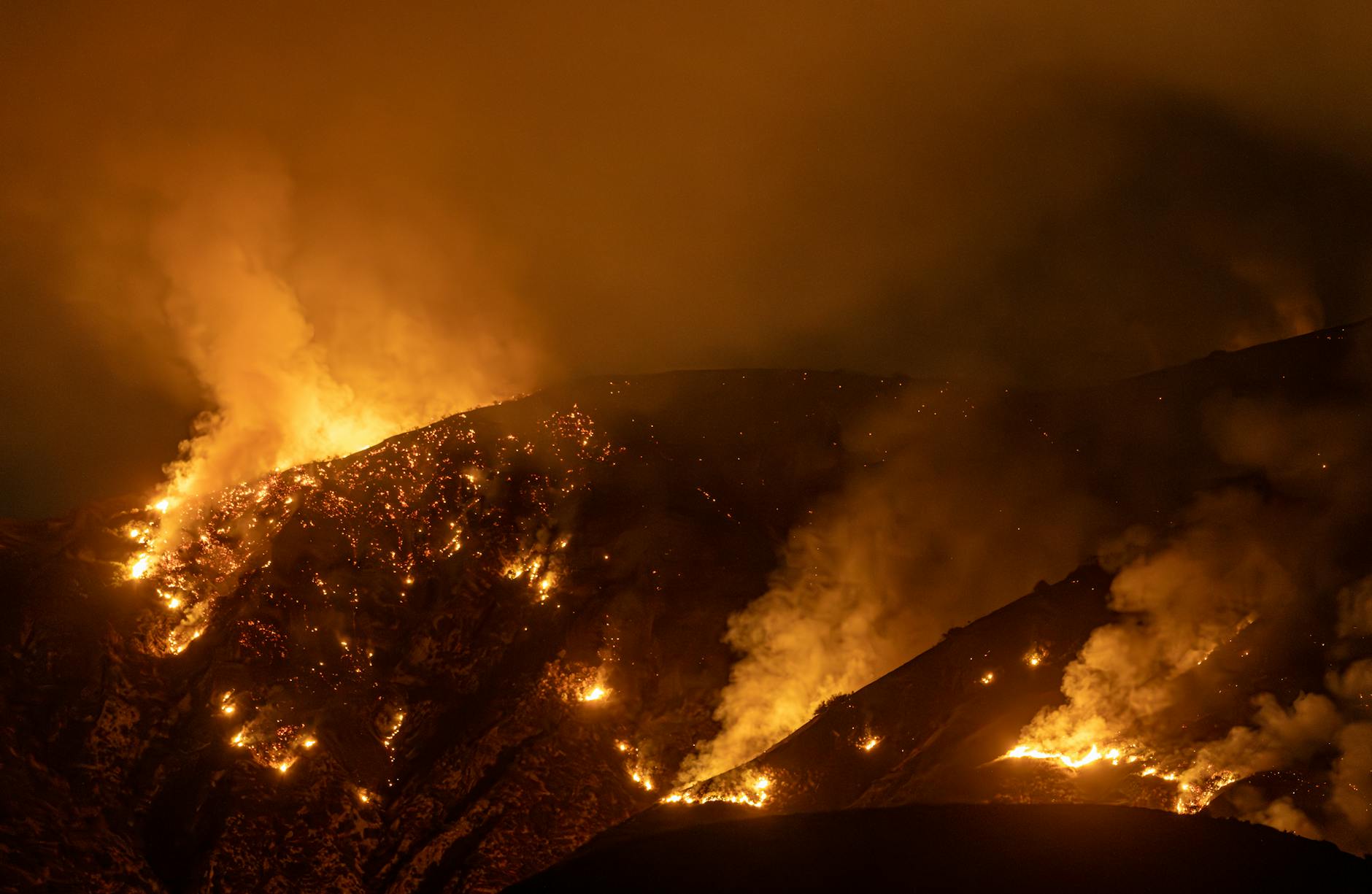
Extended heat exposure and wildfire smoke significantly impact respiratory patients who use cannabis medicinally, particularly those with COPD or asthma. Climate-related health stressors may also increase anxiety and sleep disorders, conditions for which patients commonly seek cannabis treatment.
Heat domes create prolonged extreme temperatures that rapidly reduce snowpack, increasing wildfire risk across western regions. These environmental conditions produce air quality degradation through particulate matter and smoke exposure. Patients with respiratory conditions, cardiovascular disease, or heat-sensitive medications face compounded health risks during these events.
“My patients with respiratory conditions need clear guidance on adjusting their cannabis delivery methods during poor air quality days — vaporization and edibles become more important than ever when smoke fills the air.”
💬 Join the Conversation
Have a question about how this applies to your situation? Ask Dr. Caplan →
Want to discuss this topic with other patients and caregivers? Join the forum discussion →
Have thoughts on this? Share it:
Table of Contents
- FAQ
- What is the clinical relevance rating of this cannabis research?
- What health areas does this cannabis research focus on?
- How do different cannabis delivery methods affect patient outcomes?
- What should clinicians know about cannabis and respiratory health?
- How does this research relate to anxiety treatment with cannabis?
FAQ
What is the clinical relevance rating of this cannabis research?
This study received a CED Clinical Relevance rating of #70, indicating “Notable Clinical Interest.” This means the findings represent emerging developments or policy changes that healthcare providers should monitor closely for potential clinical applications.
What health areas does this cannabis research focus on?
The research covers multiple health domains including respiratory health, environmental health impacts, and anxiety treatment. These areas represent key clinical considerations when evaluating cannabis as a therapeutic option for patients.
How do different cannabis delivery methods affect patient outcomes?
The study examines various delivery methods for cannabis administration, which is crucial for clinical practice. Different delivery methods can significantly impact both therapeutic effectiveness and potential respiratory or other health risks for patients.
What should clinicians know about cannabis and respiratory health?
Respiratory health is a primary focus of this research, likely addressing concerns about inhalation methods versus other delivery options. Understanding respiratory impacts is essential for clinicians when recommending cannabis treatments, especially for patients with existing lung conditions.
How does this research relate to anxiety treatment with cannabis?
The study includes anxiety as a key therapeutic area, suggesting investigation into cannabis effectiveness for anxiety disorders. This research may provide valuable insights for clinicians considering cannabis-based treatments for patients with anxiety conditions.