




























Family medicine clinicians are increasingly positioned as the primary prescribers and longitudinal managers of GLP-1 therapies, making familiarity with the pharmacokinetic and bioavailability differences between oral and injectable formulations directly relevant to dosing decisions and efficacy expectations. Oral semaglutide requires strict administration conditions and demonstrates lower bioavailability compared to subcutaneous formulations, which has real implications for patient counseling, adherence support, and therapeutic monitoring. As both injection and pill formulations become more accessible across practice settings, clinicians must be equipped to guide individualized selection based on patient preference, tolerability profile, and clinical response.
The article in question does not constitute a peer-reviewed study and does not present original clinical data, a defined study population, or a controlled methodology. It appears to be a journalistic summary published on Yahoo Health discussing oral versus injectable GLP-1 receptor agonist therapies, including semaglutide (Wegovy) and tirzepatide (Zepbound), in the context of expanding patient access to this drug class. No primary endpoints, statistical analyses, hazard ratios, or trial-level efficacy and safety data are reported within the abstract provided.
Because the source lacks a structured study design, there are no key findings with quantitative data to summarize at a clinical level. The piece references the existence of oral GLP-1 formulations alongside subcutaneous injectable options, which aligns with the current landscape that includes oral semaglutide (Rybelsus, approved for type 2 diabetes) and investigational oral agents such as orforglipron and danuglipron, though none of these distinctions are elaborated upon in the abstract. The mention of “Foundayo” likely refers to a newly approved or emerging oral GLP-1 product, though no pharmacokinetic, bioavailability, or head-to-head comparative efficacy data are presented.
Dealing with a condition like this?
Dr. Caplan has worked with 30,000+ patients on conditions like this. A consultation starts with your specific situation — not a generic protocol.
Book a consultation →The primary limitation here is categorical: this is not a clinical trial, systematic review, or observational cohort study, and it should not be used to inform prescribing decisions or clinical policy. Physicians seeking comparative evidence on oral versus injectable GLP-1 therapies should consult primary literature, including the OASIS, STEP, and SURMOUNT trial programs, as well as emerging phase 2 and phase 3 data on oral small-molecule GLP-1 receptor agonists, which offer rigorous pharmacodynamic characterization and clinically meaningful weight and glycemic outcomes.
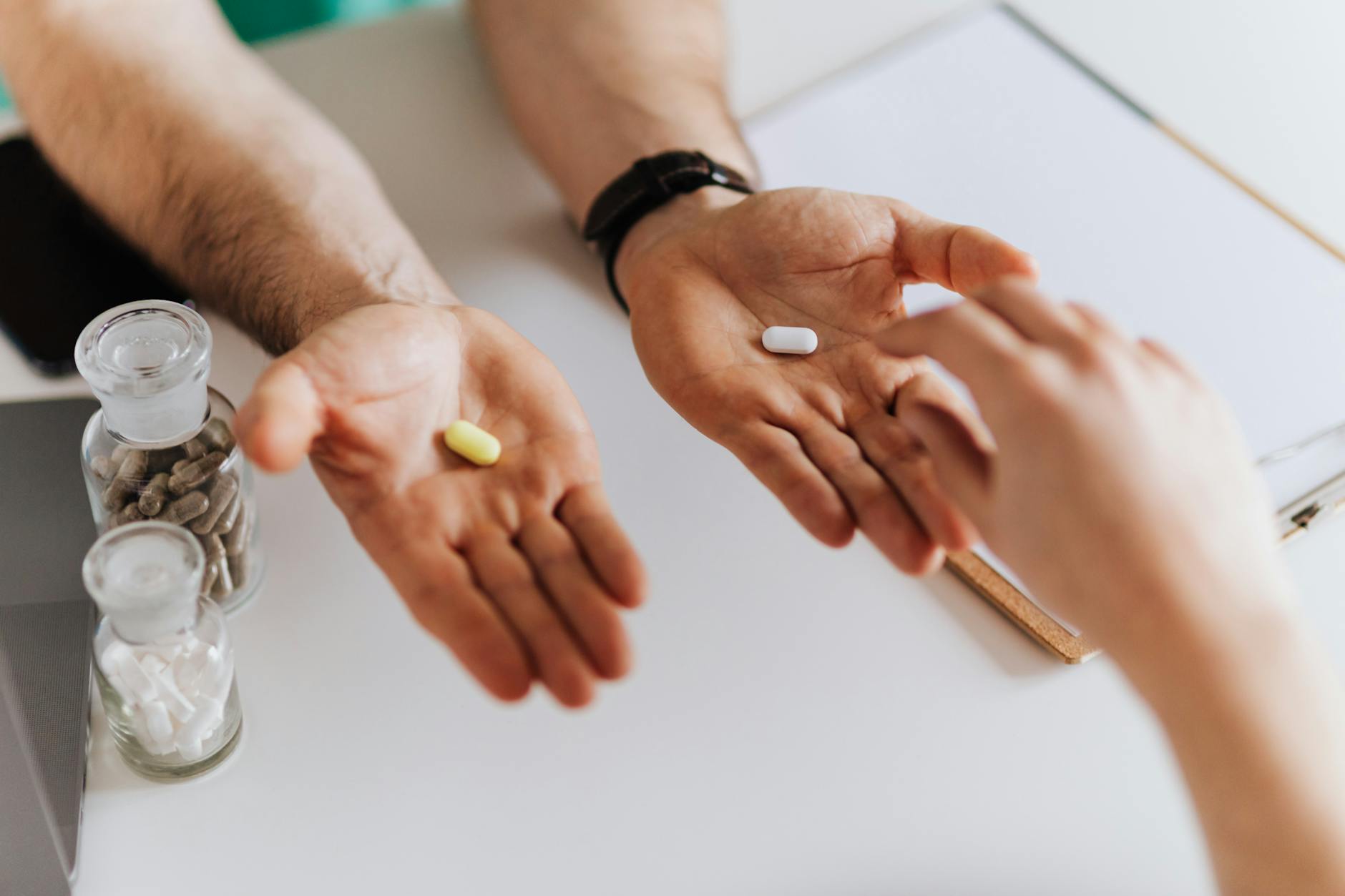
GLP-1 therapies are now available in both injectable and oral formulations, giving clinicians and patients more flexibility when selecting a treatment approach for obesity and metabolic disease. Injectable options such as semaglutide (Wegovy) and tirzepatide (Zepbound) have the most robust clinical trial data supporting significant weight reduction, while oral GLP-1 agents are emerging as alternatives for patients who prefer to avoid injections. The efficacy and bioavailability of oral formulations may differ from injectables, and these distinctions matter when setting realistic expectations. In family medicine practice, proactively discussing administration preferences during the initial GLP-1 consultation can improve patient buy-in and long-term adherence, particularly for those with needle aversion or complex medication routines.
“The oral versus injectable GLP-1 conversation is one I have with patients almost daily, and the honest clinical answer is that efficacy data still favors the injectable formulations, particularly for meaningful weight reduction and cardiometabolic benefit. Oral semaglutide has real bioavailability challenges that require strict administration protocols, and when patients deviate from those protocols, therapeutic consistency suffers in ways that simply do not happen with subcutaneous dosing. That said, for patients with needle aversion or significant adherence barriers to injections, a well-counseled oral option taken correctly is far superior to no treatment at all. In practice, I spend considerable time during the initial visit walking through the administration requirements for oral GLP-1 therapy because patient understanding of the fasting window and water restriction is not optional, it is the difference between a drug that works and one that does not.”
💬 Join the Conversation
Have a question about how this applies to your situation? Ask Dr. Caplan →
Want to discuss this topic with other patients and caregivers? Join the forum discussion →
Have thoughts on this? Share it:
Table of Contents
- FAQ
- What is a GLP-1 medication and how does it work for weight loss?
- What is the difference between GLP-1 pills and GLP-1 injections?
- Are GLP-1 pills like Foundayo as effective as injectable options like Wegovy or Zepbound?
- Who is a good candidate for GLP-1 therapy?
- Do GLP-1 medications require a prescription?
- What are the most common side effects of GLP-1 medications?
- Is GLP-1 therapy a lifelong commitment?
- Can GLP-1 medications be used alongside other weight loss treatments?
- How quickly can someone expect to see results with a GLP-1 medication?
- Are there differences in cost and insurance coverage between GLP-1 pills and injections?
- Read next
FAQ
What is a GLP-1 medication and how does it work for weight loss?
GLP-1 medications mimic a naturally occurring hormone called glucagon-like peptide-1, which helps regulate appetite, slow digestion, and signal fullness to the brain. By activating these pathways, the drugs reduce hunger and calorie intake, leading to meaningful weight loss over time.
What is the difference between GLP-1 pills and GLP-1 injections?
GLP-1 pills are taken orally on a daily basis, while injections are administered once weekly under the skin using a small needle. Both forms can be effective, but injections have more long-term clinical data supporting their use for significant weight reduction.
Are GLP-1 pills like Foundayo as effective as injectable options like Wegovy or Zepbound?
Injectable GLP-1 medications have demonstrated greater average weight loss in clinical trials compared to currently available oral formulations. Oral options are newer to the market and ongoing research will clarify how their long-term outcomes compare to injections.
Who is a good candidate for GLP-1 therapy?
GLP-1 therapy is generally appropriate for adults with obesity or overweight who also have at least one weight-related health condition such as type 2 diabetes, high blood pressure, or elevated cholesterol. Your physician will evaluate your full medical history before recommending a specific medication or formulation.
Do GLP-1 medications require a prescription?
Yes, all FDA-approved GLP-1 medications require a prescription from a licensed healthcare provider. Self-prescribing or obtaining these drugs from unverified sources is unsafe and strongly discouraged.
What are the most common side effects of GLP-1 medications?
Nausea, vomiting, constipation, and diarrhea are the most frequently reported side effects, particularly when starting the medication or increasing the dose. These symptoms often improve over time as the body adjusts to the treatment.
Is GLP-1 therapy a lifelong commitment?
Clinical evidence shows that most patients regain a significant portion of lost weight after stopping GLP-1 therapy, which suggests these medications may need to be continued long-term to sustain results. Your physician can help you weigh the benefits and risks of ongoing use based on your individual health goals.
Can GLP-1 medications be used alongside other weight loss treatments?
GLP-1 medications are often most effective when combined with a structured nutrition plan and regular physical activity. In some cases, physicians may consider them alongside other therapies, but combinations must be carefully supervised to avoid interactions or compounding side effects.
How quickly can someone expect to see results with a GLP-1 medication?
Many patients begin to notice reduced appetite within the first few weeks of starting therapy, with measurable weight loss typically becoming apparent within one to three months. The full extent of weight reduction usually develops gradually over six to twelve months of consistent use.
Are there differences in cost and insurance coverage between GLP-1 pills and injections?
Cost and coverage vary widely depending on the specific medication, the patient’s insurance plan, and whether a manufacturer savings program applies. It is important to discuss financial considerations with your physician and pharmacist before starting treatment, as out-of-pocket costs can be substantial without coverage.