






























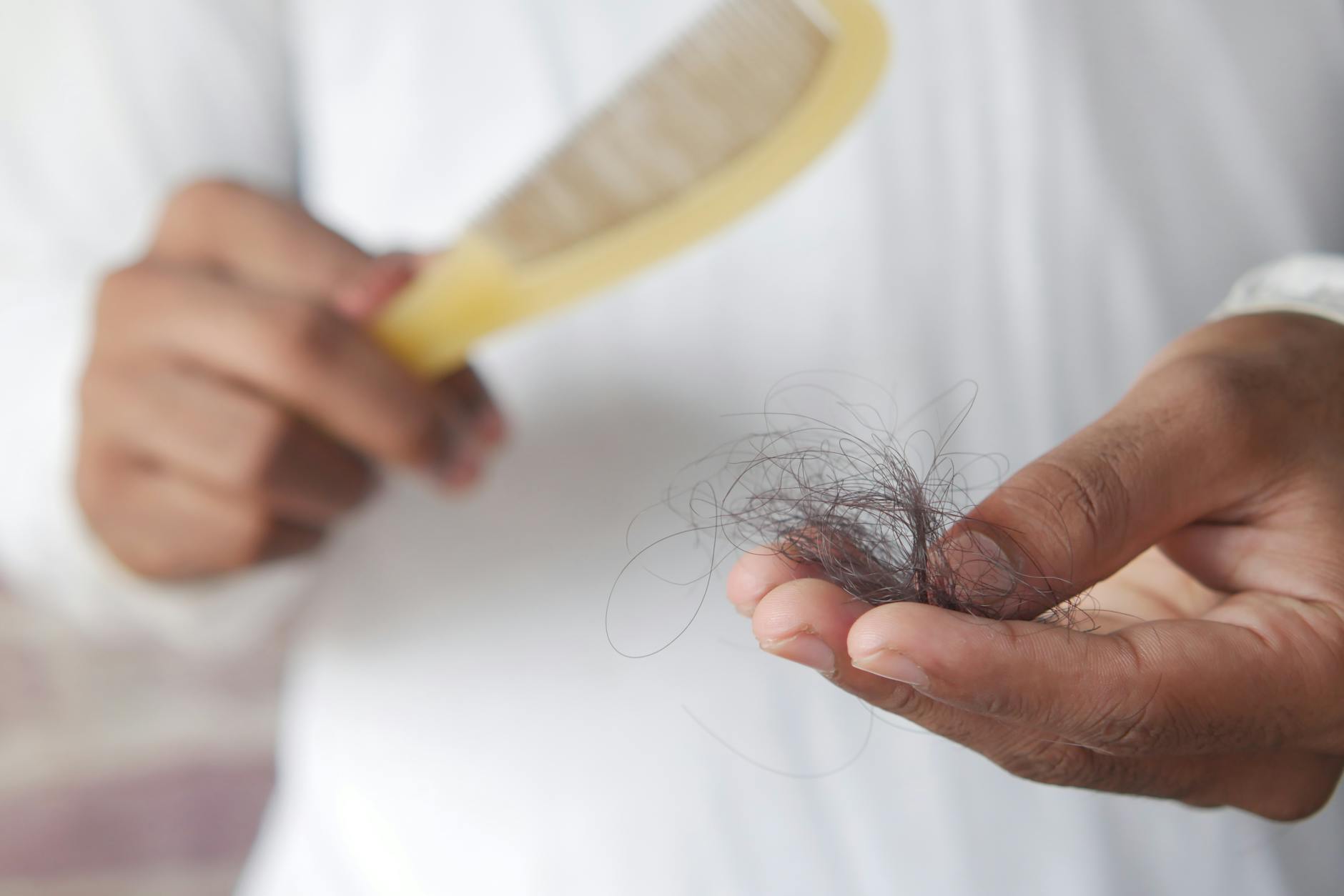

A systematic analysis of 24 randomized controlled trials evaluated the incidence of alopecia and hair loss as adverse events associated with semaglutide and tirzepatide use. The pooled analysis revealed a measurable increase in hair loss reports among patients receiving these GLP-1 receptor agonists and dual GIP/GLP-1 receptor agonists compared to placebo. Hair loss emerged as a recognized adverse event across multiple trials, with frequency varying by agent, dose, and patient population studied. The clinical significance of these findings relates to the mechanism of rapid weight loss itself, which can precipitate telogen effluvium through acute nutritional shifts and metabolic changes rather than direct drug toxicity.
For clinical practice, prescribers should counsel patients initiating semaglutide or tirzepatide that hair shedding may occur, particularly in individuals with predisposing factors such as existing androgenetic alopecia, micronutrient deficiencies, or recent rapid weight loss. The phenomenon appears reversible and typically self-limited, correlating temporally with the most significant weight loss phase. Preventive strategies include ensuring adequate protein intake, monitoring micronutrient status including iron, zinc, and biotin, and considering dermatologic evaluation when hair loss exceeds expected physiologic shedding rates or causes patient concern.
Dealing with a condition like this?
Dr. Caplan has worked with 30,000+ patients on conditions like this. A consultation starts with your specific situation — not a generic protocol.
Book a consultation →This adverse effect profile should be incorporated into informed consent discussions, particularly for patients with cosmetic or psychosocial sensitivity to hair loss. Patients experiencing significant alopecia should be evaluated for concurrent nutritional deficiencies, thyroid dysfunction, and other contributing factors. The reversible nature of GLP-1 associated hair loss and its association with weight loss rather than direct hepatic or follicular toxicity allows for continued therapy in most cases with appropriate supportive management and patient reassurance.
💬 Join the Conversation
Have a question about how this applies to your situation? Ask Dr. Caplan →
Want to discuss this topic with other patients and caregivers? Join the forum discussion →
Have thoughts on this? Share it:


Table of Contents
- FAQ
- Can GLP-1 medications like Ozempic cause hair loss?
- Is hair loss permanent if I take Ozempic?
- Why do GLP-1 medications cause hair loss?
- How common is hair loss with GLP-1 therapy?
- What should I do if I experience hair loss on Ozempic?
- Can I prevent hair loss while taking GLP-1 medications?
- Does tirzepatide cause more hair loss than semaglutide?
- Will my hair grow back after stopping Ozempic?
- Should I stop taking my GLP-1 medication because of hair loss?
- Are there GLP-1 alternatives if I cannot tolerate hair loss?
- Read next
FAQ
Can GLP-1 medications like Ozempic cause hair loss?
Yes, hair loss is a documented side effect associated with GLP-1 medications including semaglutide and tirzepatide. Research analyzing multiple clinical trials has found this connection, though the exact mechanism is still being studied.
Is hair loss permanent if I take Ozempic?
Hair loss from GLP-1 therapy is typically temporary and often reverses after discontinuing the medication or as your body adjusts. However, you should discuss your individual situation with your doctor since recovery timing varies by person.
Why do GLP-1 medications cause hair loss?
Hair loss with GLP-1s is likely related to rapid weight loss triggering telogen effluvium, a condition where hair follicles prematurely enter the shedding phase. Additionally, these medications can affect nutrient absorption, and the metabolic stress of weight loss may impact hair growth cycles.
How common is hair loss with GLP-1 therapy?
Hair loss occurs in a subset of patients taking these medications, but it is not universal. The exact prevalence varies, and many people tolerate GLP-1s without experiencing notable hair loss.
What should I do if I experience hair loss on Ozempic?
Report hair loss to your doctor right away so they can assess whether it’s related to the medication or another cause. Your doctor may recommend nutritional support, slow your dose increase, or adjust your treatment plan if necessary.
Can I prevent hair loss while taking GLP-1 medications?
Ensuring adequate protein, iron, zinc, and B vitamin intake may help support hair health during GLP-1 therapy. Your doctor can order micronutrient testing and recommend supplementation if deficiencies are identified.
Does tirzepatide cause more hair loss than semaglutide?
Both tirzepatide and semaglutide have been associated with hair loss in clinical trials. Currently, there is no strong evidence that one causes significantly more hair loss than the other.
Will my hair grow back after stopping Ozempic?
Most patients experience hair regrowth after discontinuing GLP-1 medications, usually within several months as the telogen effluvium cycle resolves. The timeline varies individually and depends on overall health and nutritional status.
Should I stop taking my GLP-1 medication because of hair loss?
Do not stop taking your medication without consulting your doctor first. Your physician can help weigh the benefits of weight loss and metabolic improvement against hair loss concerns and explore solutions.
Are there GLP-1 alternatives if I cannot tolerate hair loss?
Your doctor can discuss switching to a different medication, adjusting your dose, or trying other weight loss or metabolic therapies. The decision depends on your health goals and how you respond to each treatment option.