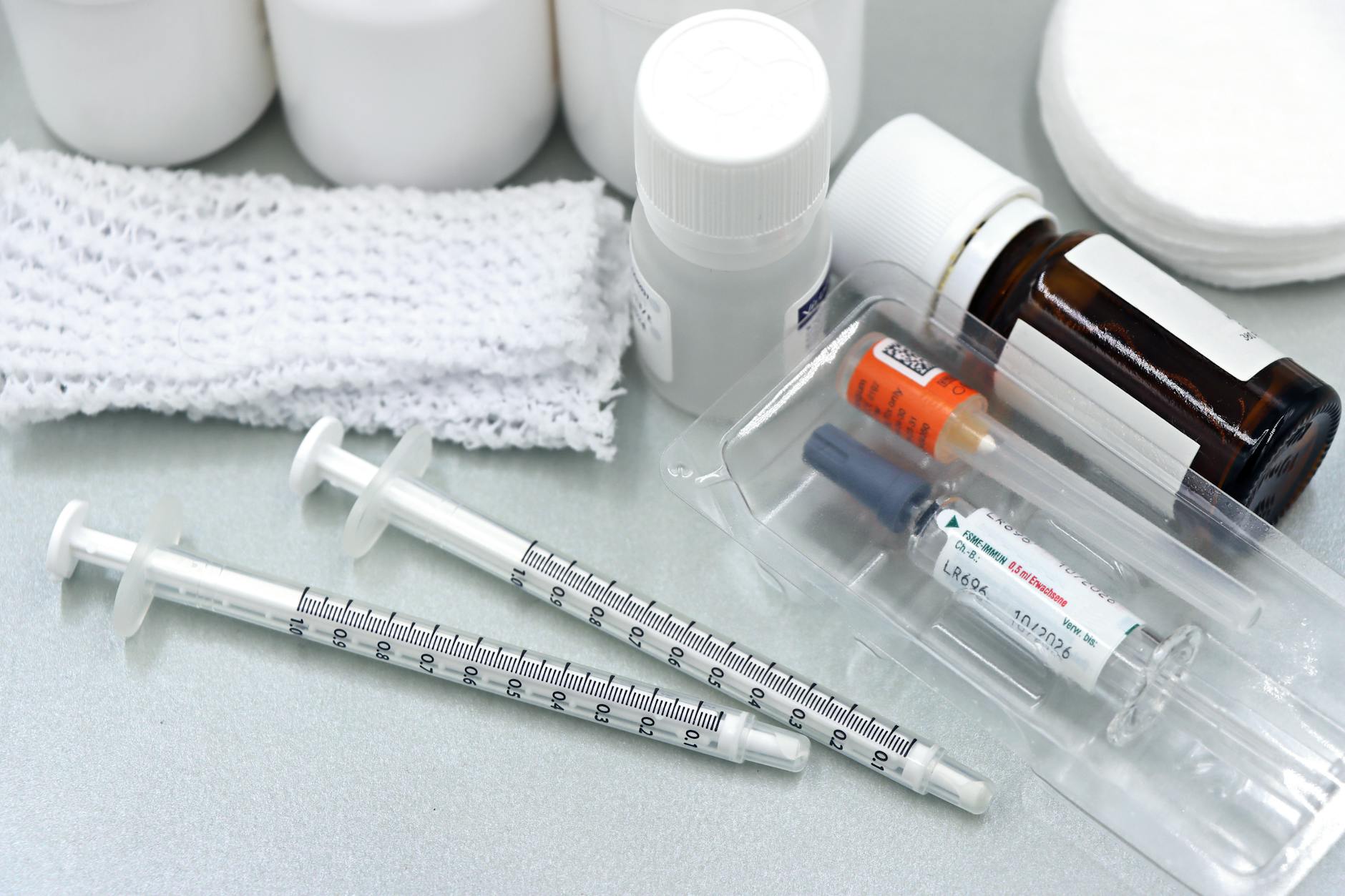
The available abstract for this source does not contain sufficient clinical data, study methodology, or quantitative findings to support a rigorous physician-level summary. The excerpt references concerns about unregulated compounded or counterfeit products marketed as weight loss injections, noting that such preparations may contain insulin or other undisclosed substances rather than authentic GLP-1 receptor agonists, but no original research, patient population, outcome measures, or statistical results are presented.
For prescribers, the clinically actionable takeaway from this framing is the importance of confirming that patients are obtaining GLP-1 receptor agonists through verified pharmacy channels and licensed dispensers. Reports of counterfeit or mislabeled injectables circulating in unregulated markets carry real patient safety implications, including hypoglycemia risk from undisclosed insulin content, dosing unpredictability, and sterility concerns. Clinicians should proactively counsel patients on the risks of sourcing medications outside of established pharmaceutical supply chains and document that dispensed agents are manufacturer-verified products.
A full clinical summary with specific data, effect sizes, and prescriber guidance cannot be generated from this abstract as written. If the complete manuscript or a more detailed abstract is available, a comprehensive evidence-based summary can be produced from that source.
💬 Join the Conversation
Have a question about how this applies to your situation? Ask Dr. Caplan →
Want to discuss this topic with other patients and caregivers? Join the forum discussion →
Have thoughts on this? Share it:
Table of Contents
- FAQ
- What are GLP-1 weight loss injections, and how do they work?
- Are GLP-1 injections safe for long-term use?
- What are the most common side effects of GLP-1 therapy?
- How do I know if a GLP-1 injection product I find online is legitimate?
- What risks are associated with unregulated weight loss injections?
- Can GLP-1 therapy affect my heart health?
- Will I regain weight after stopping GLP-1 injections?
- Who is a good candidate for GLP-1 weight loss therapy?
- How long does it take to see results with GLP-1 injections?
- Should I combine GLP-1 therapy with diet and exercise?
FAQ
What are GLP-1 weight loss injections, and how do they work?
GLP-1 medications are FDA-approved injectable drugs that mimic a natural hormone your body produces after eating. They work by slowing digestion, reducing appetite, and helping regulate blood sugar levels. Approved options include semaglutide and tirzepatide, which have been studied extensively in large clinical trials.
Are GLP-1 injections safe for long-term use?
Current clinical evidence supports the long-term safety of FDA-approved GLP-1 medications when prescribed and monitored by a qualified physician. Studies spanning several years show sustained benefits for weight loss and metabolic health with a manageable side effect profile. Regular follow-up with your doctor is essential to monitor for any emerging concerns.
What are the most common side effects of GLP-1 therapy?
The most frequently reported side effects include nausea, vomiting, constipation, and diarrhea, particularly during the dose escalation phase. These symptoms typically improve as your body adjusts to the medication over several weeks. Serious side effects are rare but should be discussed thoroughly with your prescribing physician before starting treatment.
How do I know if a GLP-1 injection product I find online is legitimate?
Unregulated products sold online or through unlicensed providers frequently contain unknown or dangerous substances rather than genuine GLP-1 medications. Only obtain these medications through a licensed healthcare provider or an accredited pharmacy with a valid prescription. Counterfeit or compounded versions carry serious health risks and have no verified safety data.
What risks are associated with unregulated weight loss injections?
Unregulated injectable products have been found to contain insulin, unlabeled hormones, or other harmful compounds that can cause hypoglycemia, infection, or organ damage. Without proper medical supervision, dangerous dosing errors are common and can result in life-threatening complications. Always verify that your medication is FDA-approved and dispensed by a licensed pharmacy.
Can GLP-1 therapy affect my heart health?
Clinical trials have demonstrated that certain GLP-1 medications, particularly semaglutide, significantly reduce the risk of major cardiovascular events including heart attack and stroke in high-risk patients. This cardiovascular benefit is one of the most important reasons physicians consider GLP-1 therapy beyond weight loss alone. Your doctor will evaluate your personal cardiovascular risk profile when determining if this treatment is appropriate for you.
Will I regain weight after stopping GLP-1 injections?
Clinical studies consistently show that weight regain is common after discontinuing GLP-1 therapy because the underlying hormonal and metabolic drivers of obesity persist. Many patients require long-term or indefinite treatment to maintain their results, similar to managing other chronic conditions like hypertension. Your physician can help you develop a sustainable plan that addresses lifestyle factors alongside medication.
Who is a good candidate for GLP-1 weight loss therapy?
GLP-1 therapy is generally appropriate for adults with a BMI of 30 or greater, or 27 or greater with at least one weight-related health condition such as type 2 diabetes or high blood pressure. A thorough medical evaluation is necessary to identify contraindications, including a personal or family history of medullary thyroid cancer or pancreatitis. Your physician will review your full medical history before recommending this treatment.
How long does it take to see results with GLP-1 injections?
Most patients begin to notice meaningful weight loss within the first 12 weeks of treatment, though full therapeutic effects typically develop over six to twelve months. The rate of weight loss varies depending on the specific medication, dosage, dietary habits, and physical activity level. Consistent follow-up with your care team helps ensure your dose is optimized and your progress is properly monitored.
Should I combine GLP-1 therapy with diet and exercise?
GLP-1 medications produce the best outcomes when used alongside evidence-based nutritional changes and regular physical activity, not as a replacement for them. Clinical trials showing the greatest weight loss results incorporated structured lifestyle interventions alongside the medication. Your physician or a registered dietitian can help you build a sustainable plan that complements your GLP-1 therapy.