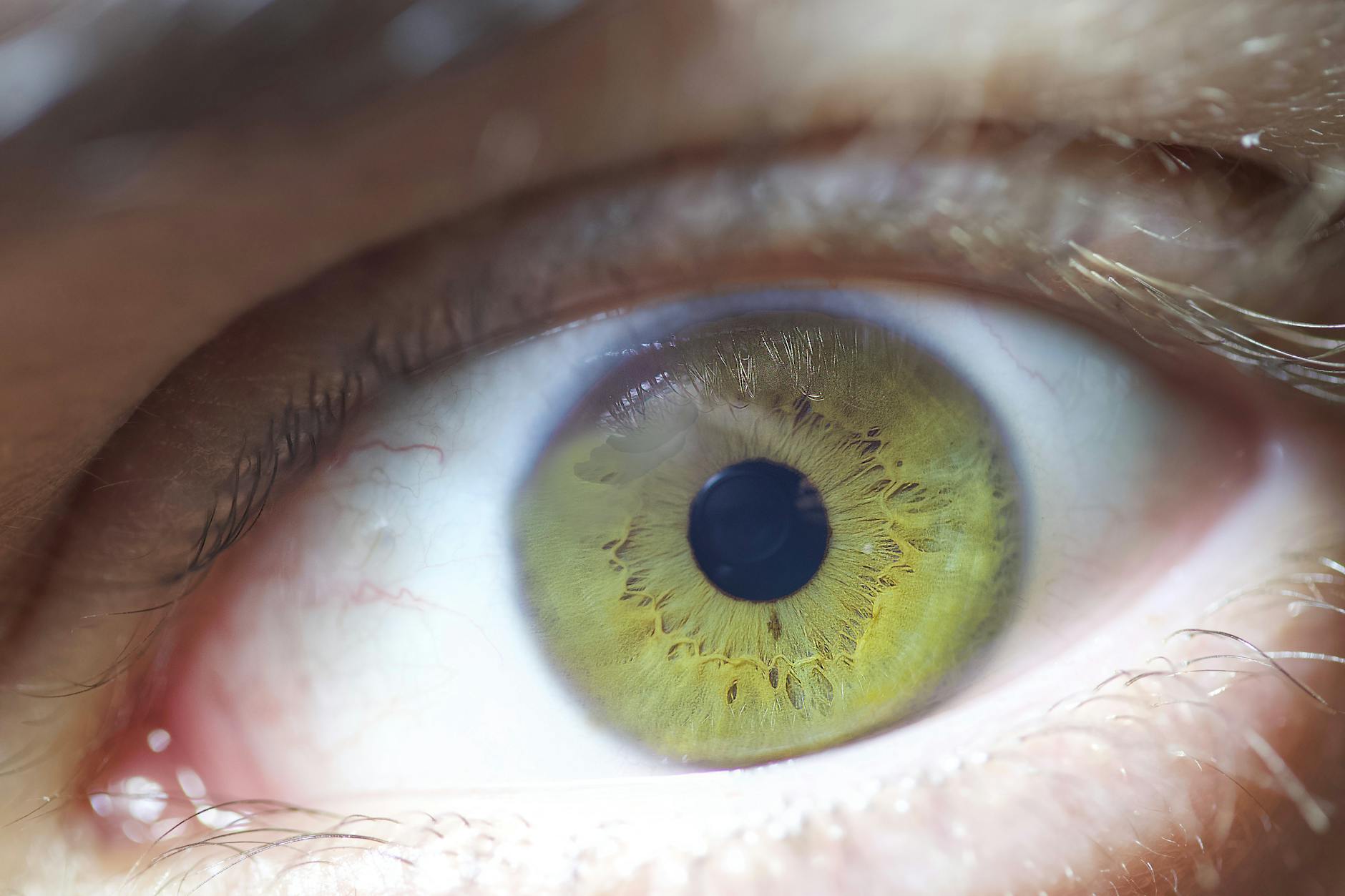
A recent review published in Review of Optometry examined the potential association between GLP-1 receptor agonist use and reduced incidence or severity of thyroid eye disease (TED), a condition driven by autoimmune inflammation targeting orbital fibroblasts and characterized by proptosis, diplopia, and compressive optic neuropathy. The proposed mechanistic basis centers on the well-established downstream effects of GLP-1 receptor agonists, including substantial weight reduction and improved glycemic control, both of which attenuate systemic inflammatory signaling. Given that adipose tissue functions as an active endocrine and inflammatory organ, and that orbital fat expansion is a hallmark of TED pathophysiology, the hypothesis that GLP-1 mediated metabolic improvement could reduce orbital inflammatory burden carries biological plausibility.
The review highlights observational and pharmacoepidemiological signals suggesting that patients on GLP-1 receptor agonist therapy may experience lower rates of TED onset or progression, though specific effect size data and hazard ratios were not robustly detailed in the available abstract. The mechanistic discussion focuses on indirect pathways rather than direct GLP-1 receptor activity within orbital tissue, with weight loss and glycemic normalization cited as the primary mediators of reduced inflammatory drive. This framing is important because it positions the potential benefit as a consequence of metabolic optimization rather than a disease-specific pharmacological action.
The primary limitation of this work is its reliance on review-level synthesis rather than prospective controlled trial data, which precludes causal inference. The absence of granular patient-level data, including thyroid function status, TED clinical activity scores, disease duration, and concurrent immunosuppressive or biologic therapy use, limits the ability to isolate GLP-1 receptor agonist exposure as an independent variable. Confounding by indication is a substantial concern, as patients prescribed these agents differ systematically in metabolic profile from those who are not. Prospective trials with ophthalmologic endpoints and standardized TED activity scoring are necessary before clinical recommendations can be drawn.
💬 Join the Conversation
Have a question about how this applies to your situation? Ask Dr. Caplan →
Want to discuss this topic with other patients and caregivers? Join the forum discussion →
Have thoughts on this? Share it:
Table of Contents
- FAQ
- What are GLP-1 drugs?
- What is thyroid eye disease?
- How might GLP-1 drugs lower the risk of thyroid eye disease?
- Do I need to have diabetes to benefit from GLP-1 therapy in relation to TED?
- Can GLP-1 drugs treat thyroid eye disease that I already have?
- Is thyroid eye disease related to thyroid problems I might already have?
- How much weight loss is typically needed to see anti-inflammatory benefits from GLP-1 therapy?
- Are GLP-1 drugs safe for long-term use?
- Should I tell my eye doctor that I am taking a GLP-1 drug?
- Where can I learn more about whether GLP-1 therapy is right for me?
FAQ
What are GLP-1 drugs?
GLP-1 drugs are a class of medications that mimic a natural hormone called glucagon-like peptide-1, which helps regulate blood sugar and appetite. They are commonly prescribed for type 2 diabetes and obesity. Examples include semaglutide and tirzepatide.
What is thyroid eye disease?
Thyroid eye disease, often called TED, is an autoimmune condition where inflammation affects the tissues and muscles around the eyes, causing symptoms like bulging eyes, double vision, and eye pain. It is most commonly associated with Graves disease. Left untreated, it can lead to vision loss.
How might GLP-1 drugs lower the risk of thyroid eye disease?
GLP-1 drugs promote significant weight loss and improve blood sugar control, both of which can reduce the body’s overall inflammatory burden. Since thyroid eye disease is driven by inflammation and immune dysregulation, lowering that inflammatory activity may help reduce the risk of developing TED. Researchers believe this is likely an indirect protective effect.
Do I need to have diabetes to benefit from GLP-1 therapy in relation to TED?
Current evidence focuses on the broad metabolic and anti-inflammatory benefits of GLP-1 therapy rather than limiting benefits to people with diabetes. Patients with obesity or elevated inflammation may also see relevant improvements. Your doctor can help determine whether GLP-1 therapy is appropriate for your specific situation.
Can GLP-1 drugs treat thyroid eye disease that I already have?
The current research suggests a potential role in reducing risk rather than treating established TED. If you already have thyroid eye disease, you should work with an ophthalmologist or endocrinologist experienced in TED management. GLP-1 therapy should not replace proven TED treatments without medical guidance.
Yes, TED is most often seen in people with Graves disease, an autoimmune thyroid condition, though it can occasionally occur in people with other thyroid disorders or even normal thyroid function. Managing thyroid disease well is an important part of reducing TED risk and severity. Your endocrinologist and eye doctor should coordinate your care if both conditions are present.
How much weight loss is typically needed to see anti-inflammatory benefits from GLP-1 therapy?
Clinical trials show that even modest weight loss of 5 to 10 percent of body weight can produce meaningful reductions in inflammatory markers. GLP-1 drugs often produce much greater weight loss than that, with many patients losing 15 percent or more of their body weight. Greater weight loss is generally associated with greater reductions in systemic inflammation.
Are GLP-1 drugs safe for long-term use?
GLP-1 drugs have now been studied extensively in large clinical trials lasting multiple years, and they are generally considered safe for long-term use in appropriate patients. Like all medications, they carry potential side effects including nausea, vomiting, and gastrointestinal discomfort, particularly early in treatment. Your physician will review your full medical history to assess whether long-term GLP-1 therapy is right for you.
Should I tell my eye doctor that I am taking a GLP-1 drug?
Yes, you should always inform all of your healthcare providers, including your eye doctor, about every medication you are taking. This helps your eye doctor monitor for any relevant changes and factor your treatment into their overall assessment. Integrated care between your physicians leads to better outcomes.
Where can I learn more about whether GLP-1 therapy is right for me?
The best starting point is a conversation with a physician experienced in metabolic medicine and GLP-1 therapy, who can review your health history, labs, and goals. Not every patient is a candidate, and individualized evaluation is essential before starting any new medication. Dr. Caplan and his team specialize in this area and can provide a thorough clinical assessment.