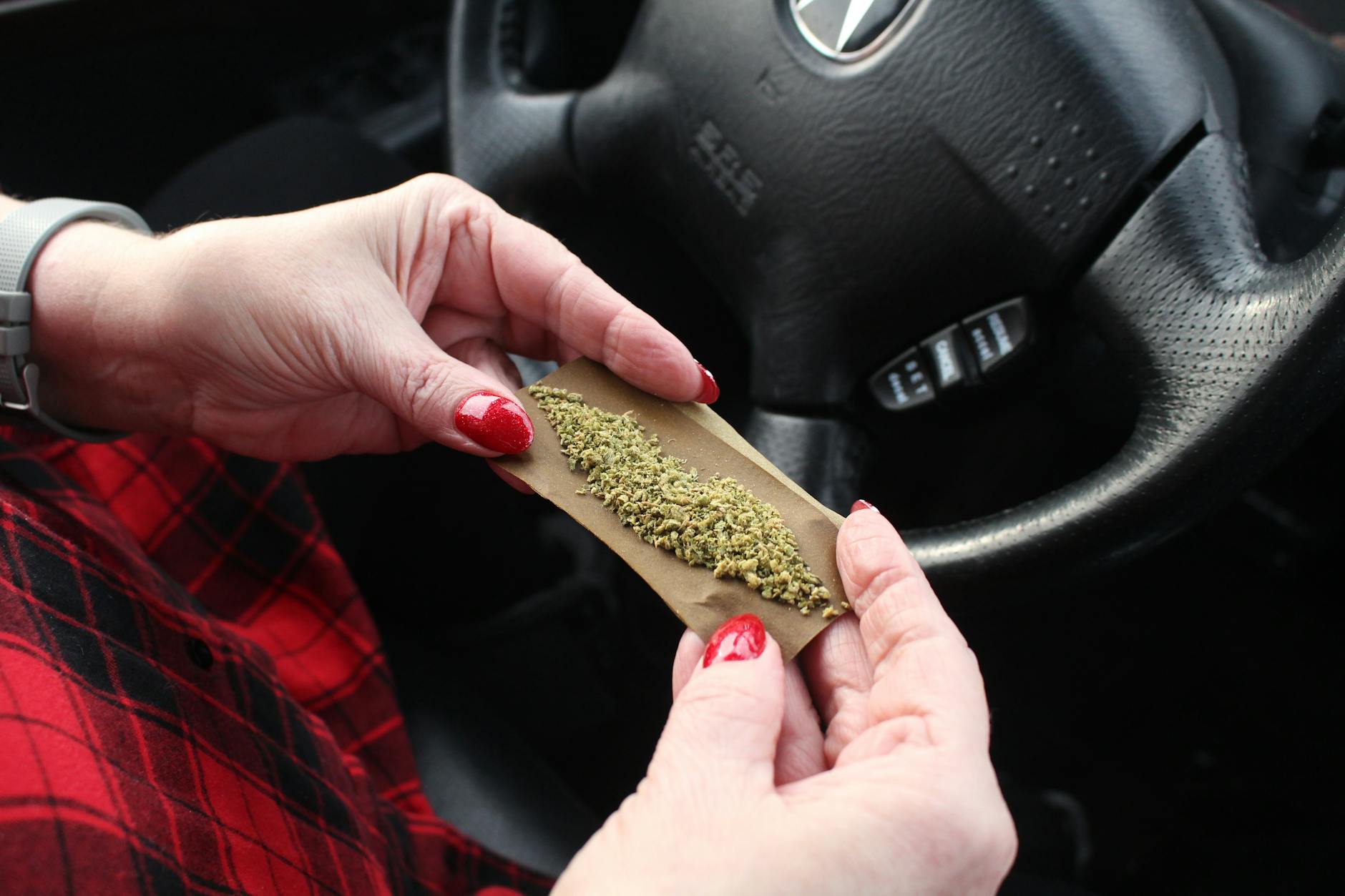
This finding addresses a critical patient safety question that clinicians face daily: how long should patients wait before driving after cannabis use. The distinction between frequent and occasional users has important implications for clinical counseling and workplace safety discussions.
The study examined driving performance in frequent cannabis users the morning after evening use, finding no measurable impairment compared to baseline. This contrasts with known acute impairment effects that occur during active intoxication. The finding likely reflects tolerance development in frequent users and the pharmacokinetic profile of smoked cannabis, where THC levels drop significantly within hours. However, the study appears limited to frequent users and may not apply to occasional users or other consumption methods.
“I tell patients that while this data is reassuring for regular users, it doesn’t change my fundamental advice: if you feel impaired, don’t drive. The medicolegal landscape hasn’t caught up to these nuanced findings, so patients still face real-world consequences regardless of actual impairment levels.”
💬 Join the Conversation
Have a question about how this applies to your situation? Ask Dr. Caplan →
Want to discuss this topic with other patients and caregivers? Join the forum discussion →
Have thoughts on this? Share it:
Table of Contents
- FAQ
- What is the clinical relevance of this cannabis driving safety research?
- How does THC tolerance affect driving impairment?
- What should healthcare providers tell patients about driving after cannabis use?
- How long should patients wait before driving after using cannabis?
- Are there legal implications for medical cannabis patients who drive?
FAQ
What is the clinical relevance of this cannabis driving safety research?
This research has high clinical relevance with strong evidence that has direct clinical implications. It provides important guidance for healthcare providers counseling patients about cannabis use and driving safety.
How does THC tolerance affect driving impairment?
THC tolerance can significantly impact how cannabis affects driving ability in regular users versus occasional users. Patients with higher tolerance may experience less impairment but should still exercise caution when driving after cannabis use.
What should healthcare providers tell patients about driving after cannabis use?
Healthcare providers should counsel patients about the risks of driving under the influence of cannabis and discuss how individual tolerance levels may affect impairment. Patients should be advised to avoid driving when they feel impaired, regardless of their tolerance level.
How long should patients wait before driving after using cannabis?
The waiting period depends on factors including dosage, method of consumption, individual tolerance, and THC concentration. Patients should wait until they no longer feel impaired and should be aware that impairment can last several hours after use.
Are there legal implications for medical cannabis patients who drive?
Yes, medical cannabis patients can still face legal consequences for driving under the influence, even in states where medical cannabis is legal. Patients should understand that medical authorization does not provide legal protection for impaired driving.