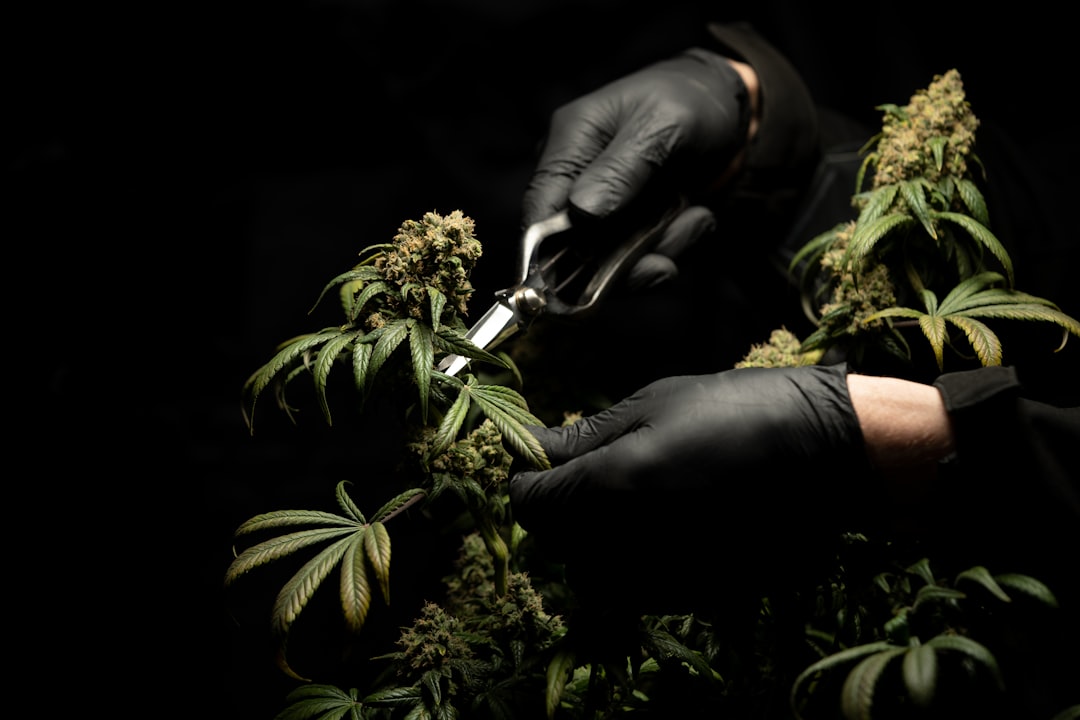
The FDA’s decision to not intervene in Medicare’s CBD coverage represents a significant shift in federal oversight that could expand access for elderly patients with chronic conditions. This regulatory flexibility may accelerate clinical experience with CBD in Medicare populations, though it also creates uncertainty about product quality and dosing standards.
The FDA has chosen not to block Medicare’s inclusion of certain CBD products in coverage decisions, marking a departure from its historically restrictive stance on cannabis-derived compounds. This hands-off approach allows Medicare Advantage plans and potentially traditional Medicare to cover CBD products that meet specific criteria, though the exact standards remain unclear. The decision affects primarily older adults who represent the fastest-growing demographic of cannabis users, often seeking alternatives for chronic pain, sleep disorders, and anxiety.
“This regulatory gap creates both opportunity and risk—Medicare patients may gain access to CBD, but without FDA oversight, we’re essentially conducting a large-scale observational study on product quality and clinical outcomes in our most vulnerable population.”
💬 Join the Conversation
Have a question about how this applies to your situation? Ask Dr. Caplan →
Want to discuss this topic with other patients and caregivers? Join the forum discussion →
Have thoughts on this? Share it:
Table of Contents
- FAQ
- What does Medicare coverage for CBD mean for patients?
- Which medical conditions might qualify for CBD coverage under Medicare?
- How would this policy change affect geriatric patients specifically?
- What are the clinical implications of Medicare covering CBD?
- When might this Medicare CBD coverage policy take effect?
FAQ
What does Medicare coverage for CBD mean for patients?
Medicare coverage for CBD would provide access to cannabis-based treatments for eligible beneficiaries. This represents a significant policy shift that could improve treatment options for seniors and disabled individuals.
Which medical conditions might qualify for CBD coverage under Medicare?
Coverage would likely focus on conditions with established clinical evidence, such as epilepsy, chronic pain, and certain neurological disorders. Specific qualifying conditions would be determined by Medicare’s coverage criteria and medical necessity requirements.
How would this policy change affect geriatric patients specifically?
Geriatric patients could benefit from expanded access to CBD treatments for age-related conditions like chronic pain and sleep disorders. This population often faces multiple medication interactions, making CBD an attractive alternative treatment option.
What are the clinical implications of Medicare covering CBD?
Healthcare providers would need updated guidelines for prescribing and monitoring CBD treatments in Medicare populations. This policy could also drive more clinical research into CBD’s effectiveness for conditions common in older adults.
When might this Medicare CBD coverage policy take effect?
The timeline for implementation would depend on regulatory approval processes and policy development. Patients and providers should monitor official Medicare announcements for specific coverage dates and requirements.