
February 24, 2026 — 24 articles reviewed
The last 24 hours were dominated by mounting evidence on adolescent cannabis risk and serious mental illness, growing momentum for veteran access and Medicare coverage, and escalating federal and state battles over the future of hemp-derived THC products. Woven throughout was a persistent theme: the gap between what patients need and what our education, regulation, and insurance systems actually provide.
🧠 Adolescent Cannabis Use and Psychiatric Risk
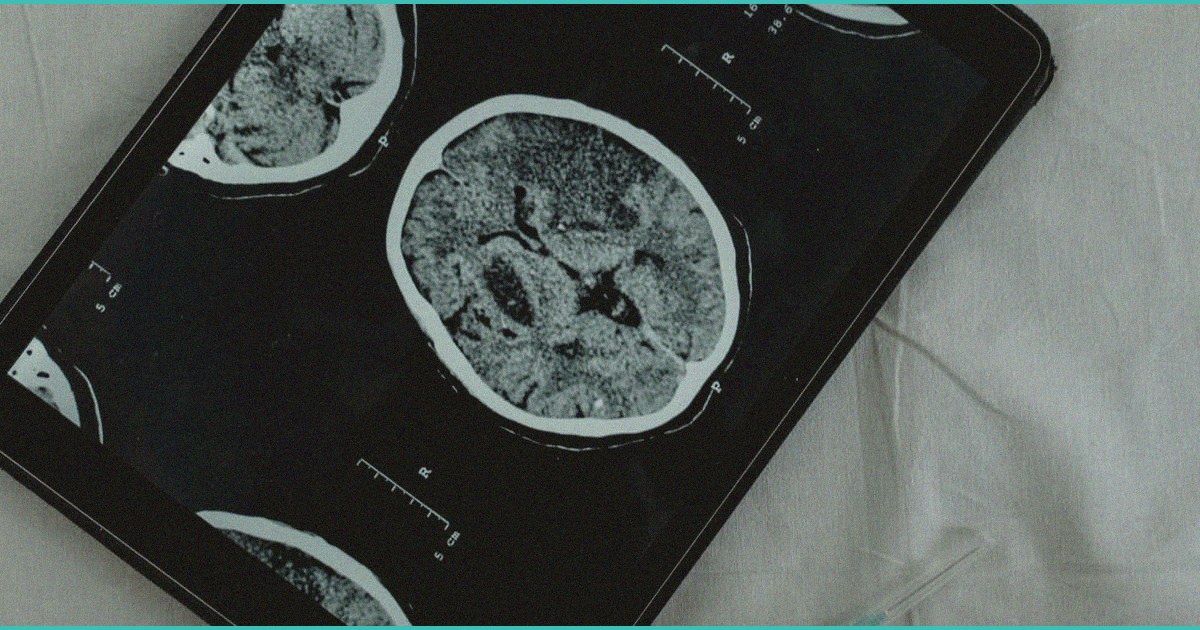
A study out of Sweden received wide coverage this cycle, demonstrating that teen cannabis use follows the same population-level consumption distribution as alcohol — meaning when average use rises, heavy use rises disproportionately among the most vulnerable youth. Separately, research highlighted in Medscape linked adolescent cannabis use to increased risk for serious psychiatric conditions including psychotic and bipolar spectrum disorders, while additional reporting explored the association between early use and broader psychiatric diagnoses. The clinical throughline is consistent: the developing brain is uniquely sensitive to exogenous cannabinoids during synaptic pruning and neural circuit maturation, and age of initiation remains one of the most modifiable risk factors. For parents and clinicians, the takeaway is that community-wide prevention strategies and honest household conversations matter as much as individual screening — and that delaying use until the mid-20s is the single strongest harm reduction lever we have.
- #78Teen Cannabis Use Tied to Increase in Serious Mental Illness – Medscape
- #72420 with CNW — Study Links Psychiatric Disorders to Adolescent Cannabis Use
- #65Teen Cannabis Use Mirrors Alcohol Consumption Trends – Mirage News
- #62Teen cannabis use trends mirror established alcohol consumption patterns
- #62Horrifying simulation shows what happens to your body if you smoke weed every day
🎖️ Veterans, Seniors, and the Fight for Meaningful Access
New research found that veterans with substance use disorders are turning to cannabis to manage pain, anxiety, and sleep — often as an alternative to more dangerous medications like opioids and benzodiazepines. Florida is advancing legislation to slash medical marijuana registration fees for veterans, directly addressing a financial barrier that has kept many from accessing care. Meanwhile, reporting on potential Medicare coverage for cannabis-based medications signals what could be the most significant federal shift in cannabinoid therapy access for older adults in U.S. history. Taken together, these developments reinforce that the populations with the greatest clinical need — veterans and seniors on fixed incomes — are still the ones facing the steepest barriers to supervised cannabis care.
⚖️ Hemp THC Regulation: The Loophole Nobody Can Close
Federal and state lawmakers are pulling in multiple directions on hemp-derived THC products, with a key Congressional committee set to vote on delaying a federal ban, South Carolina advancing tighter state rules, and Indiana’s proposed ban dying at a legislative deadline. Consumer-facing coverage asking “are my THC gummies going away?” captured the anxiety millions of patients feel as their access hangs on unresolved policy debates. The core clinical problem remains unchanged: the 2018 Farm Bill created a market flooded with untested, inconsistently labeled THC products, and neither banning them nor ignoring them serves patients well. What is needed — and still missing — is a coherent regulatory framework that preserves access while enforcing safety, potency, and labeling standards.
📚 The Education Gap Is the Real Crisis
A pointed response to the New York Times framing of a “marijuana problem” argued that the real failure is not cannabis use itself but a medical education and regulatory system that has left physicians untrained and patients unguided. This framing is clinically important: without endocannabinoid medicine in medical school curricula, without federal research access, and without insurance infrastructure, patients navigate cannabis largely on their own. Nebraska’s bill to protect physicians who recommend cannabis from board discipline highlights the same structural problem from the provider side — doctors cannot participate in cannabis care if doing so threatens their licenses. Responsible cannabis medicine requires trained clinicians, protected practice, and honest public education rather than fear-based headlines.
- #72So, What Does an Adult at Low Risk of Cannabis Dependence Look Like?
- #72Study explains whether drinking alcohol or smoking weed does more long term damage
- #65America Doesn’t Have A ‘Marijuana Problem,’ As NYT Claims—It Has a Cannabis Education …
- #62Bill to protect Nebraska physicians recommending medical cannabis advances to floor
Digest-Level Clinical Commentary
Clinical Reflection
The emerging evidence linking adolescent cannabis use to serious mental illness underscores a critical practice imperative: we must develop more sophisticated risk stratification protocols and age-specific guidance that move beyond categorical prohibition toward individualized assessment of neurobiological vulnerability. Simultaneously, the momentum toward veteran access signals that our field is fragmenting into specialized populations with distinct risk-benefit profiles, which demands we establish robust educational standards and insurance frameworks that can accommodate this clinical nuance rather than defaulting to blanket policies. These parallel developments reveal that cannabis medicine’s maturation depends less on new basic science and more on closing the gap between what we know clinically and what our systems actually support in practice.
Clinical Perspective
Recent evidence continues to document significant risks associated with adolescent cannabis use, particularly concerning neurodevelopmental outcomes and psychiatric morbidity, which underscores the need for age-specific prevention and screening strategies in clinical practice. Concurrent policy expansion for veteran access highlights an important tension in clinical care: the potential therapeutic applications in specific populations must be weighed against the documented harms in vulnerable groups like adolescents. The identified gap between clinical need and current systems of education, regulation, and insurance coverage suggests that standardized clinical guidance and parity in treatment access remain critical gaps that warrant attention from healthcare systems and policymakers.
Public Health
Mental HealthVeteran AccessRegulationEducation💬 Join the Conversation
Have a question about how this applies to your situation?
Ask Dr. Caplan →
Want to discuss this topic with other patients and caregivers?
Join the forum discussion →
Have thoughts on this? Share it: