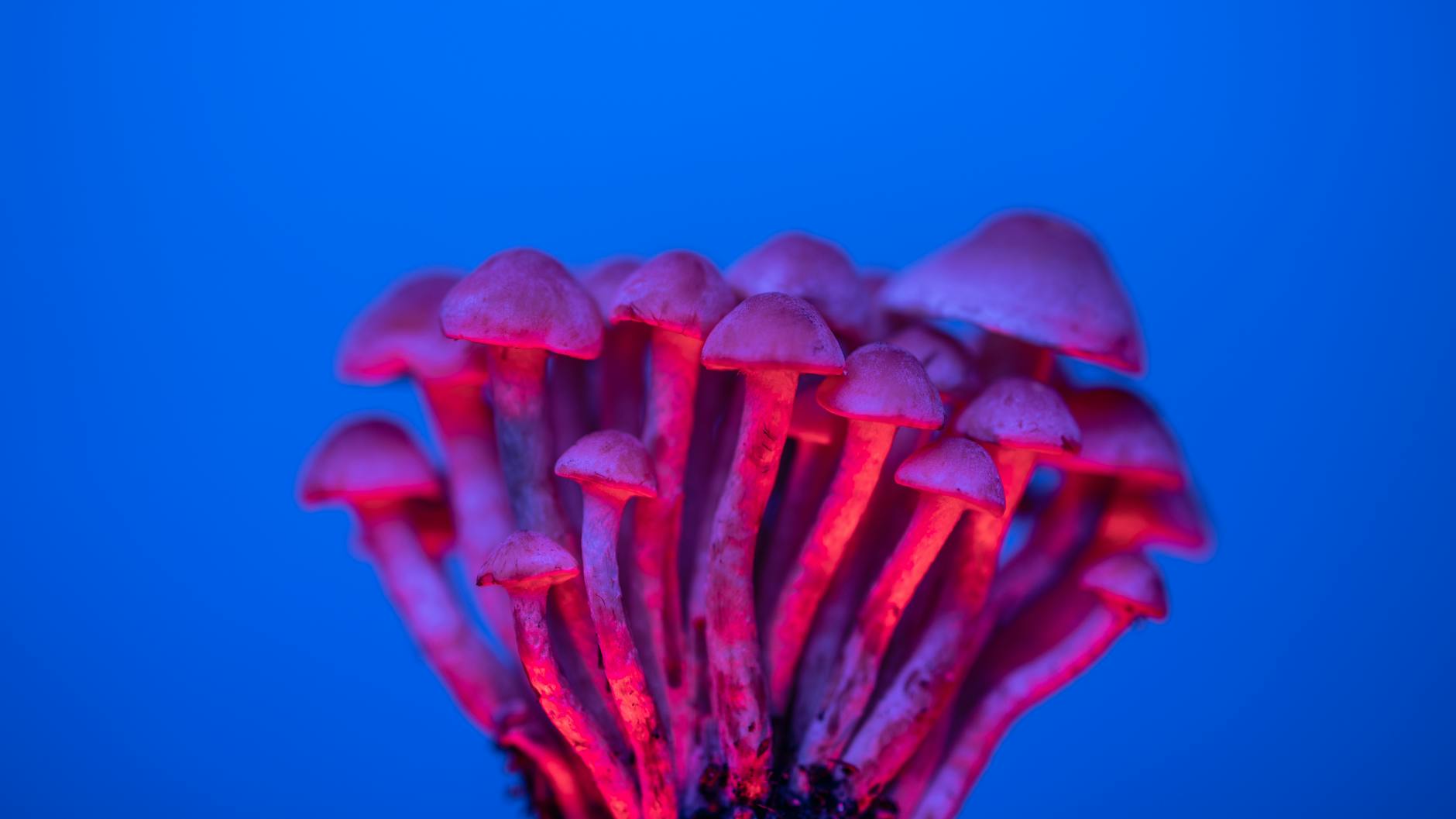
Connecticut’s legislative expansion of psilocybin access for PTSD represents a significant shift in psychedelic medicine policy, potentially creating new treatment pathways for patients with treatment-resistant trauma disorders. This policy development follows emerging clinical evidence suggesting psilocybin-assisted therapy may offer substantial benefits for PTSD when conventional treatments have failed.
Connecticut lawmakers have voted to expand access to psilocybin mushrooms specifically for PTSD treatment, building on existing psychedelic medicine frameworks. This follows Phase 2 clinical trials showing psilocybin-assisted therapy can produce meaningful reductions in PTSD symptom severity, with effects potentially lasting months after treatment. The mechanism appears to involve psilocybin’s action on serotonin 2A receptors, promoting neuroplasticity and facilitating processing of traumatic memories when combined with structured psychotherapy. However, treatment requires careful medical supervision and appropriate therapeutic setting.
“While the policy momentum is encouraging, we must remember that psilocybin for PTSD is still investigational medicine requiring rigorous clinical protocols. Patients shouldn’t interpret legislative action as clinical endorsement — this treatment demands specialized medical oversight and isn’t appropriate for everyone with PTSD.”
💬 Join the Conversation
Have a question about how this applies to your situation? Ask Dr. Caplan →
Want to discuss this topic with other patients and caregivers? Join the forum discussion →
Have thoughts on this? Share it:
Table of Contents
- FAQ
- What is psilocybin and how does it relate to PTSD treatment?
- Is psilocybin therapy currently legal for PTSD treatment?
- How does psilocybin therapy differ from traditional PTSD treatments?
- What are the potential risks of using psilocybin for mental health treatment?
- What does the current research show about psilocybin’s effectiveness for PTSD?
FAQ
What is psilocybin and how does it relate to PTSD treatment?
Psilocybin is a naturally occurring psychedelic compound found in certain mushrooms that is being studied for its therapeutic potential. Research suggests it may help treat PTSD by allowing patients to process traumatic memories in a new way under controlled clinical conditions.
Is psilocybin therapy currently legal for PTSD treatment?
Psilocybin remains federally illegal in most jurisdictions, but it’s being studied in clinical trials with special permissions. Some areas have decriminalized or are developing frameworks for supervised therapeutic use in medical settings.
How does psilocybin therapy differ from traditional PTSD treatments?
Unlike traditional medications that are taken daily, psilocybin therapy typically involves a limited number of supervised sessions combined with psychotherapy. The treatment aims to create profound psychological insights rather than simply managing symptoms.
What are the potential risks of using psilocybin for mental health treatment?
Potential risks include psychological distress during sessions, temporary confusion, and possible adverse reactions in people with certain mental health conditions. Treatment requires careful screening and professional supervision in controlled clinical environments.
What does the current research show about psilocybin’s effectiveness for PTSD?
Early clinical studies show promising results, with some patients experiencing significant reduction in PTSD symptoms after psilocybin-assisted therapy. However, more large-scale clinical trials are needed to fully establish safety and efficacy profiles.