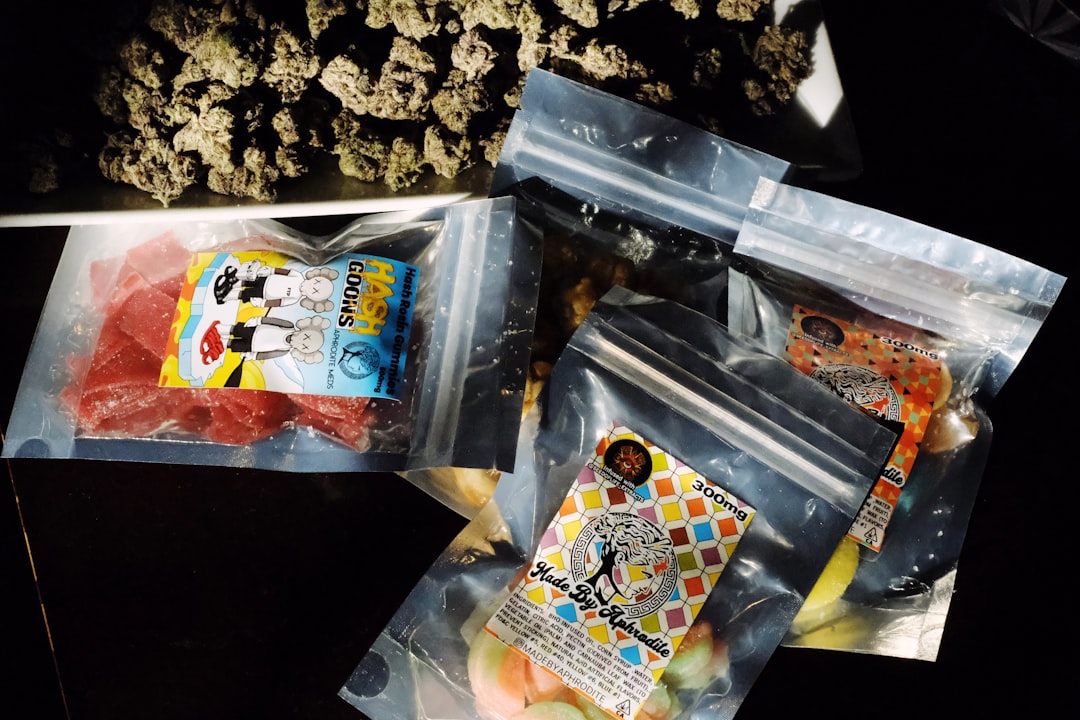
Pediatric cannabis exposures represent a medical emergency requiring immediate clinical assessment, as children metabolize cannabinoids differently than adults and face higher risks of severe intoxication. Schools and healthcare systems need clear protocols for suspected exposures, particularly with the proliferation of cannabis edibles that closely resemble conventional candy.
A suspected cannabis candy incident at a Las Vegas middle school prompted district response, highlighting ongoing concerns about accidental pediatric cannabis exposure. Cannabis edibles present particular risks in school settings due to their delayed onset (30-120 minutes), unpredictable dosing, and visual similarity to regular candy. Children experience cannabis intoxication more severely than adults, with potential for significant CNS depression, altered mental status, and respiratory compromise requiring emergency intervention.
“These incidents underscore why I counsel all cannabis patients about secure storage — children cannot distinguish cannabis edibles from regular treats, and pediatric exposures can be genuinely dangerous. Every adult using cannabis products bears responsibility for preventing access by minors.”
💬 Join the Conversation
Have a question about how this applies to your situation? Ask Dr. Caplan →
Want to discuss this topic with other patients and caregivers? Join the forum discussion →
Have thoughts on this? Share it:
Table of Contents
- FAQ
- What are the main safety concerns with cannabis edibles in pediatric patients?
- How do cannabis edibles affect children differently than adults?
- What should parents do if their child accidentally consumes cannabis edibles?
- How can accidental pediatric cannabis exposures be prevented?
- What symptoms should healthcare providers look for in pediatric cannabis intoxication?
FAQ
What are the main safety concerns with cannabis edibles in pediatric patients?
Cannabis edibles pose significant risks to children due to their appealing appearance and delayed onset of effects. Children may consume larger quantities before effects are felt, leading to severe intoxication and potential emergency department visits.
How do cannabis edibles affect children differently than adults?
Children are more susceptible to cannabis toxicity due to their smaller body size and developing nervous systems. They may experience more severe symptoms including respiratory depression, altered mental status, and longer-lasting effects.
What should parents do if their child accidentally consumes cannabis edibles?
Parents should immediately contact poison control or seek emergency medical attention if their child has consumed cannabis edibles. It’s important to bring the product packaging to help healthcare providers determine the dosage and formulation consumed.
How can accidental pediatric cannabis exposures be prevented?
Cannabis products should be stored in child-resistant containers in locked locations away from children’s reach. Parents should treat cannabis edibles like any other medication or toxic substance and maintain strict storage protocols.
What symptoms should healthcare providers look for in pediatric cannabis intoxication?
Healthcare providers should watch for altered mental status, respiratory depression, hypothermia, and neurological symptoms. Emergency medicine physicians need to maintain high clinical suspicion and be prepared to provide supportive care for affected pediatric patients.