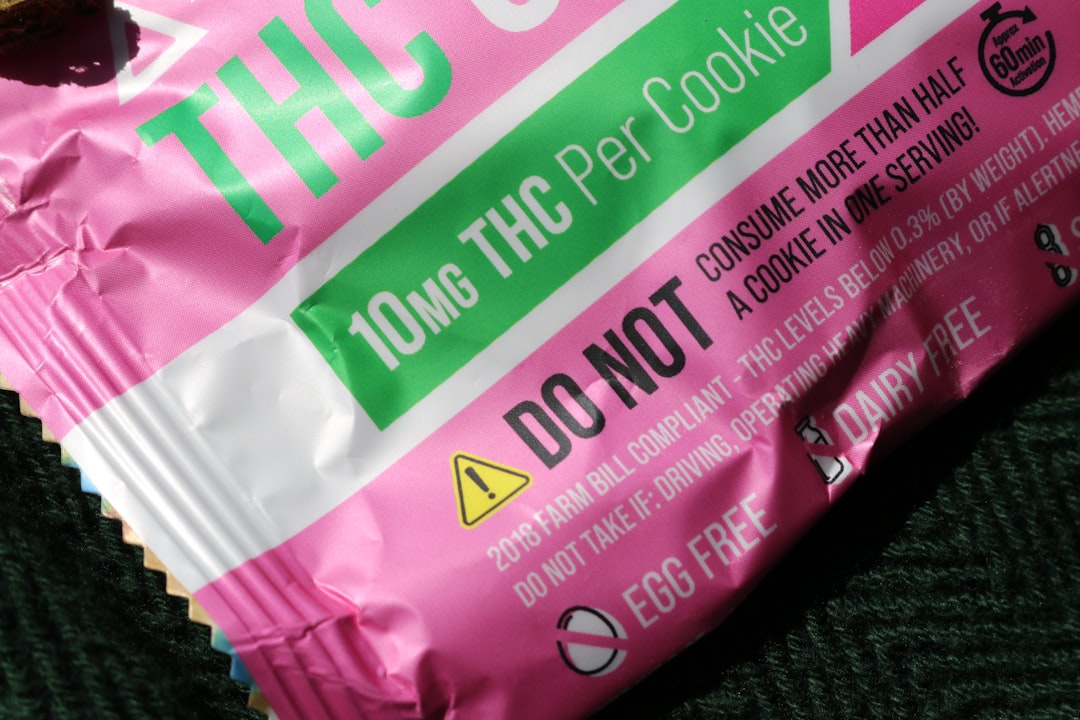
While CBD and THC comparisons are fundamental to cannabis medicine education, clinicians need evidence-based frameworks rather than wellness marketing to guide patient discussions. The distinction between these cannabinoids remains clinically relevant for therapeutic decision-making, though individual patient response varies significantly.
CBD and THC represent the two most studied cannabinoids with distinct pharmacological profiles. THC produces psychoactive effects through CB1 receptor activation, while CBD has minimal psychoactivity and complex, multi-target mechanisms including serotonin and vanilloid receptors. Both demonstrate therapeutic potential, though the evidence base varies considerably across conditions. The entourage effect concept suggests potential synergy, but clinical data supporting specific CBD:THC ratios remains limited.
“I tell patients that choosing between CBD and THC isn’t about ‘wellness trends’ — it’s about matching specific symptoms to pharmacological profiles based on available evidence. The real clinical question isn’t which is ‘better,’ but which mechanism addresses their particular condition most appropriately.”
💬 Join the Conversation
Have a question about how this applies to your situation? Ask Dr. Caplan →
Want to discuss this topic with other patients and caregivers? Join the forum discussion →
Have thoughts on this? Share it:
Table of Contents
FAQ
What is the difference between CBD and THC?
CBD (cannabidiol) and THC (tetrahydrocannabinol) are both cannabinoids found in cannabis plants, but they have different effects. THC is psychoactive and produces the “high” associated with marijuana, while CBD is non-psychoactive and is often used for therapeutic purposes without intoxication.
How do I choose the right cannabinoid for my condition?
Cannabinoid selection depends on your specific medical condition, symptoms, and treatment goals. It’s essential to consult with a qualified healthcare provider or cannabis clinician who can evaluate your needs and recommend appropriate ratios and dosages based on current research and clinical evidence.
What should patients know before starting cannabis treatment?
Patients should understand that cannabis affects everyone differently and treatment often requires careful titration to find the right dose. It’s important to start with low doses, be aware of potential drug interactions, and maintain open communication with healthcare providers throughout the treatment process.
Are there any notable developments in cannabis medicine?
Yes, there are emerging findings and policy developments in cannabis medicine that are worth monitoring closely. The field is rapidly evolving with new research on therapeutic applications and changing regulatory frameworks that may impact patient access and treatment options.
What makes this cannabis information clinically relevant?
This information has been classified as having “Notable Clinical Interest” by CED Clinical Relevance standards. This means the content represents emerging findings or policy developments that healthcare providers should monitor closely for potential impact on patient care and treatment decisions.