#72
Notable Clinical Interest
Emerging findings or policy developments worth monitoring closely.
This research is clinically relevant because geriatric patients increasingly use cannabis for pain, sleep, and cognitive complaints, yet evidence on safety and efficacy in aging populations remains limited. If cannabis demonstrates neuroprotective effects in older adults, clinicians need to understand these potential benefits to inform shared decision-making and tailor recommendations for individual patients. Understanding how cannabis affects the aging brain is essential for developing evidence-based dosing guidelines and screening protocols that balance risks and benefits in this vulnerable population.
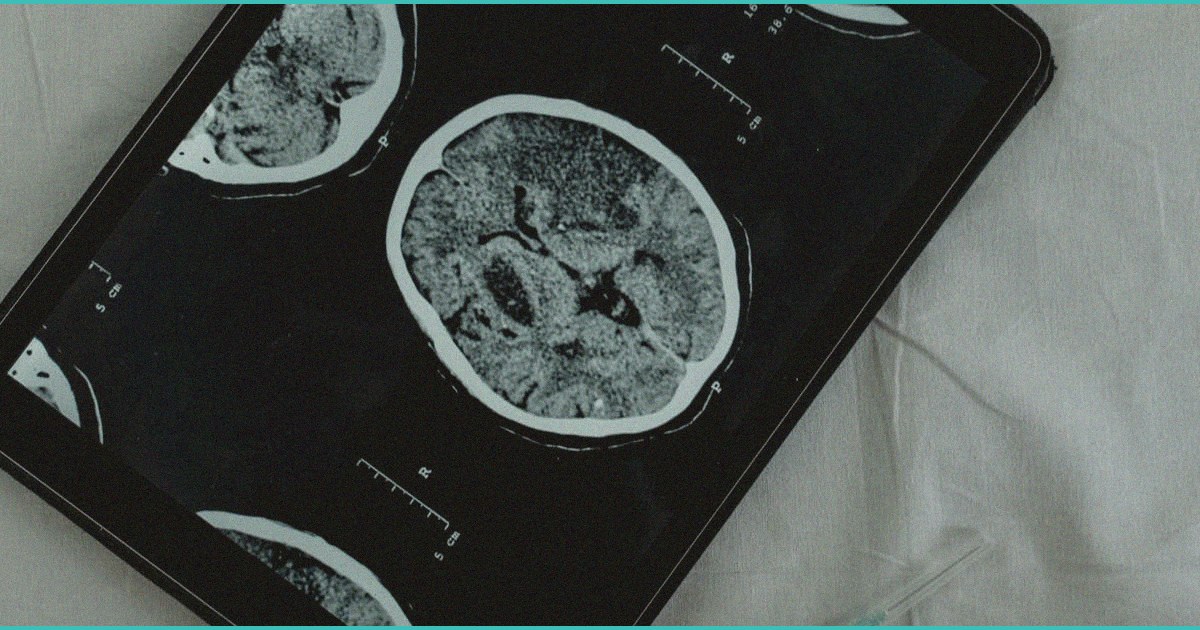
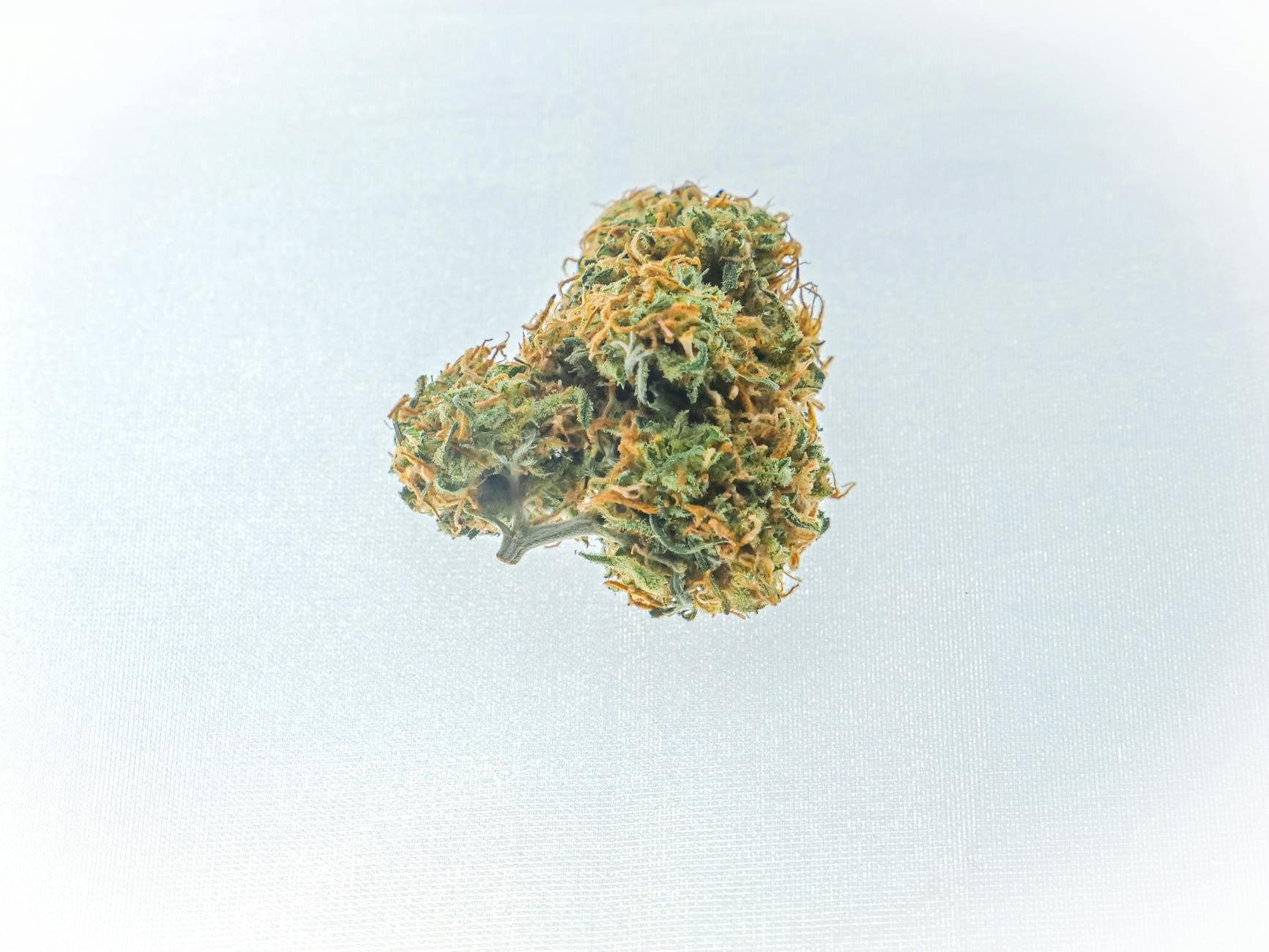
A recent large-scale study suggests that cannabis use in older adults may have neuroprotective benefits, challenging conventional assumptions about cannabis and cognitive aging. The research indicates potential mechanisms by which cannabinoids might support brain health in elderly populations, though the article does not specify which cognitive domains were examined or the magnitude of observed effects. For clinicians managing older patients, this finding adds nuance to risk-benefit discussions around cannabis, particularly for those with age-related neurodegeneration or cognitive concerns where traditional treatments have limited efficacy. However, the clinical applicability remains limited without clarity on dosing, cannabinoid ratios, and comparison to established neuroprotective interventions. Clinicians should exercise cautious optimism and await peer-reviewed publication details before incorporating cannabis into routine cognitive aging management, while remaining open to discussing this emerging evidence with informed patients seeking alternative or adjunctive therapies.
“What we’re seeing in the aging population is that low-dose cannabis, particularly THC-dominant formulations, may enhance neuroplasticity and reduce neuroinflammation in ways that actually support cognitive function rather than impair it, which contradicts decades of messaging about cannabis and the brain. The key distinction my patients need to understand is that this benefit appears specific to later life, modest dosing, and regular rather than acute use, and we still need prospective randomized trials before I’m recommending it as a preventive strategy. But the signal is real enough that I’m no longer dismissing it out of hand when a 70-year-old asks whether cannabis might help their memory.”
🧠 While preliminary findings suggesting cognitive benefits of cannabis in older adults are intriguing, clinicians should approach these claims with appropriate skepticism given the significant methodological limitations of observational studies in this space, including reverse causality, unmeasured confounding, and selection bias that could explain apparent associations. The existing literature on cannabis and cognitive aging remains mixed, with some studies documenting memory and processing speed declines while others report null or potentially beneficial effects, making it difficult to establish clear causal relationships. Additionally, older adults often use multiple medications and have varied comorbidities that could interact unpredictably with cannabinoids, and the heterogeneity of cannabis products in terms of THC/CBD ratios and administration routes further complicates any generalization of findings. Rather than recommending cannabis for cognitive aging based on current evidence, clinicians should continue assessing individual risk-benefit profiles in older patients who are already using cannabis, remain alert to
💬 Join the Conversation
Have a question about how this applies to your situation?
Ask Dr. Caplan →
Want to discuss this topic with other patients and caregivers?
Join the forum discussion →
Have thoughts on this? Share it: