
































#97 Landmark Clinical Evidence
Peer-reviewed human research with direct implications for cannabis medicine practice.
This research identifies specific cannabinoid mechanisms that could address non-alcoholic fatty liver disease (NAFLD), a condition affecting approximately 25% of the global population with limited pharmacological treatment options. Clinicians treating patients with NAFLD, metabolic syndrome, or obesity may need to counsel patients about cannabis use and monitor emerging evidence, as cannabinoid-based therapeutics could represent a future intervention, though human trials are needed before clinical recommendations can be made. For patients self-medicating with cannabis products, understanding which compounds (CBD and CBG versus THC) may have hepatoprotective effects is relevant to informed decision-making about consumption methods and product selection.
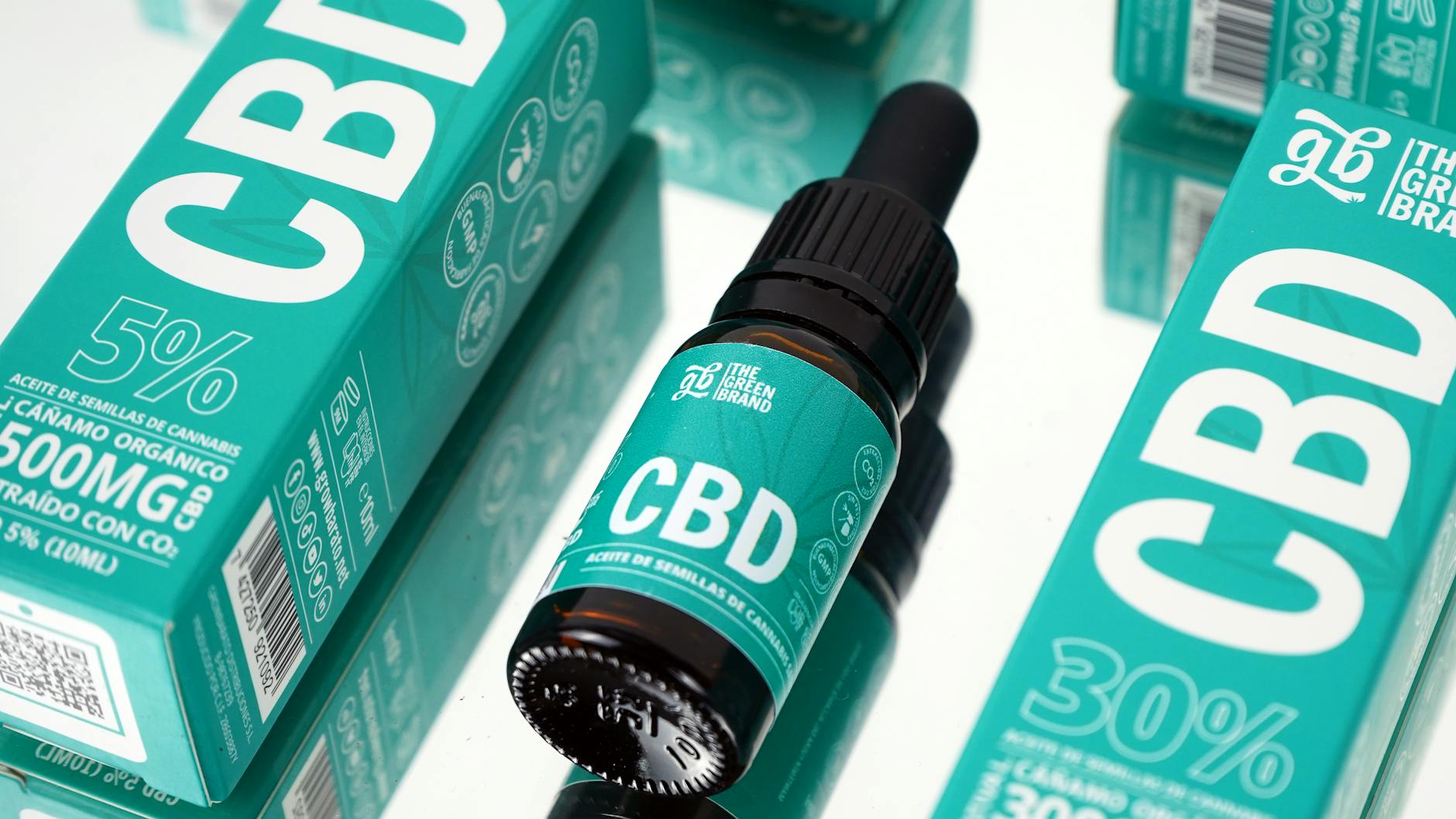
A preclinical study demonstrates that cannabidiol (CBD) and cannabigerol (CBG) may reduce hepatic steatosis and improve markers of liver function in models of fatty liver disease, suggesting potential therapeutic mechanisms involving lipid metabolism and anti-inflammatory pathways. These findings are particularly relevant given the rising prevalence of non-alcoholic fatty liver disease (NAFLD) and the limited pharmacological options currently available for treatment. While the results are promising at the cellular and animal model level, human clinical trials are needed to establish efficacy, optimal dosing, safety profiles, and whether these cannabinoids could be integrated into evidence-based treatment protocols for NAFLD. Clinicians should remain cautious about recommending cannabis products to patients with liver disease until robust clinical evidence emerges, especially given concerns about product standardization, potential drug-drug interactions, and variable hepatic metabolism of cannabinoids. Patients with fatty liver disease who inquire about cannabis should be counseled that current evidence is preliminary and that they should prioritize established interventions such as weight loss, exercise, and alcohol cessation. The practical takeaway is that while CBD and CBG show experimental promise for NAFLD, clinicians should await human clinical trial data before incorporating these compounds into clinical practice.
“What we’re seeing in the laboratory with CBD and CBG’s effects on hepatic lipid accumulation is promising, but we need to be honest with our patients that a petri dish is not a liver, and we don’t yet have the clinical trials that would let me confidently prescribe cannabis as a treatment for fatty liver disease instead of the interventions we know work: weight loss, exercise, and alcohol cessation.”
While preclinical findings suggesting CBD and CBG may reduce hepatic steatosis are intriguing, clinicians should recognize that in vitro and animal studies do not reliably predict human efficacy or safety, particularly given the liver’s role in cannabinoid metabolism and the potential for drug interactions with common hepatoprotective agents. Current evidence is insufficient to recommend cannabis or isolated cannabinoids as a treatment for nonalcoholic fatty liver disease, and patients seeking these compounds should be counseled that clinical trials in humans are needed before clinical utility can be established. Important caveats include the variable quality and standardization of cannabis products available to consumers, the lack of regulated dosing guidelines, and the possibility that cannabinoids could impair hepatic metabolism of other medications in patients with existing liver compromise. Until robust randomized controlled trials are completed, clinicians should continue to emphasize established interventions such as weight loss, metabolic management, and alcohol
This topic comes up in consultations often.
Dr. Caplan offers clinical context on evolving cannabis policy and its real-world implications for patients.
Book a consultation →💬 Join the Conversation
Have a question about how this applies to your situation? Ask Dr. Caplan →
Want to discuss this topic with other patients and caregivers? Join the forum discussion →
Have thoughts on this? Share it: