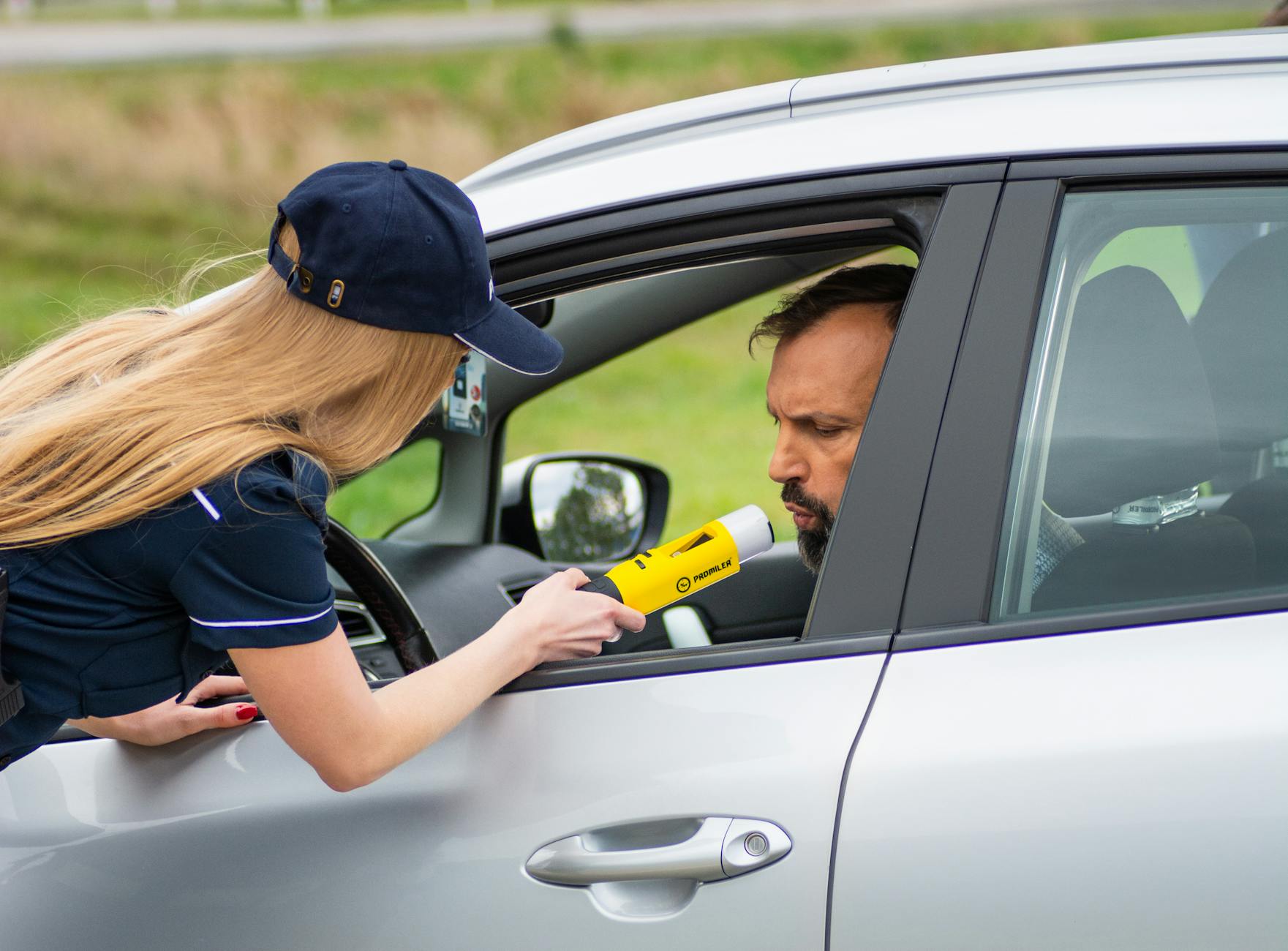
Current THC detection methods cannot reliably establish impairment or intoxication timing, creating significant challenges for both patient counseling and legal outcomes. Unlike alcohol, THC’s detection profile doesn’t correlate with functional impairment, making breathalyzer technology particularly problematic for cannabis users.
THC breathalyzers detect recent cannabis use but cannot determine actual impairment levels or distinguish between therapeutic use and intoxication. THC remains detectable in breath for hours after use while psychoactive effects typically last 1-4 hours, creating a detection-impairment mismatch. Current technology measures presence, not functional capacity, unlike established blood alcohol concentration standards.
“I counsel patients that any THC detection technology currently available is measuring exposure, not impairment—a critical distinction that our legal system hasn’t adequately addressed. Until we have validated impairment biomarkers, patients using cannabis therapeutically face legal vulnerability regardless of their actual functional capacity.”
💬 Join the Conversation
Have a question about how this applies to your situation? Ask Dr. Caplan →
Want to discuss this topic with other patients and caregivers? Join the forum discussion →
Have thoughts on this? Share it:
Table of Contents
- FAQ
- What are the main legal issues surrounding cannabis THC detection?
- How does THC detection differ from other substance testing?
- What are the current methods for testing cannabis impairment?
- How do these testing issues affect patient safety?
- What developments are being monitored in cannabis testing policy?
FAQ
What are the main legal issues surrounding cannabis THC detection?
Legal challenges arise from the difficulty in establishing reliable impairment standards for cannabis use. Unlike alcohol, THC can remain detectable long after impairment has subsided, creating complications for legal proceedings and workplace policies.
How does THC detection differ from other substance testing?
THC detection is more complex because it can be found in blood, urine, and saliva for varying periods after use. The presence of THC doesn’t necessarily indicate current impairment, making it challenging to determine actual functional impairment at the time of testing.
What are the current methods for testing cannabis impairment?
Current impairment testing methods include field sobriety tests, saliva testing, and blood analysis. However, these methods have limitations in accurately measuring real-time impairment versus recent use, leading to ongoing research for better testing protocols.
How do these testing issues affect patient safety?
Patient safety concerns arise when medical cannabis users may be unfairly penalized despite not being impaired. This can discourage patients from seeking appropriate treatment or lead to discrimination in employment and other situations.
What developments are being monitored in cannabis testing policy?
Emerging policy developments focus on creating more accurate impairment standards and testing methods. Regulatory bodies are working to establish clearer guidelines that distinguish between recent use and actual impairment to ensure fair and safe practices.