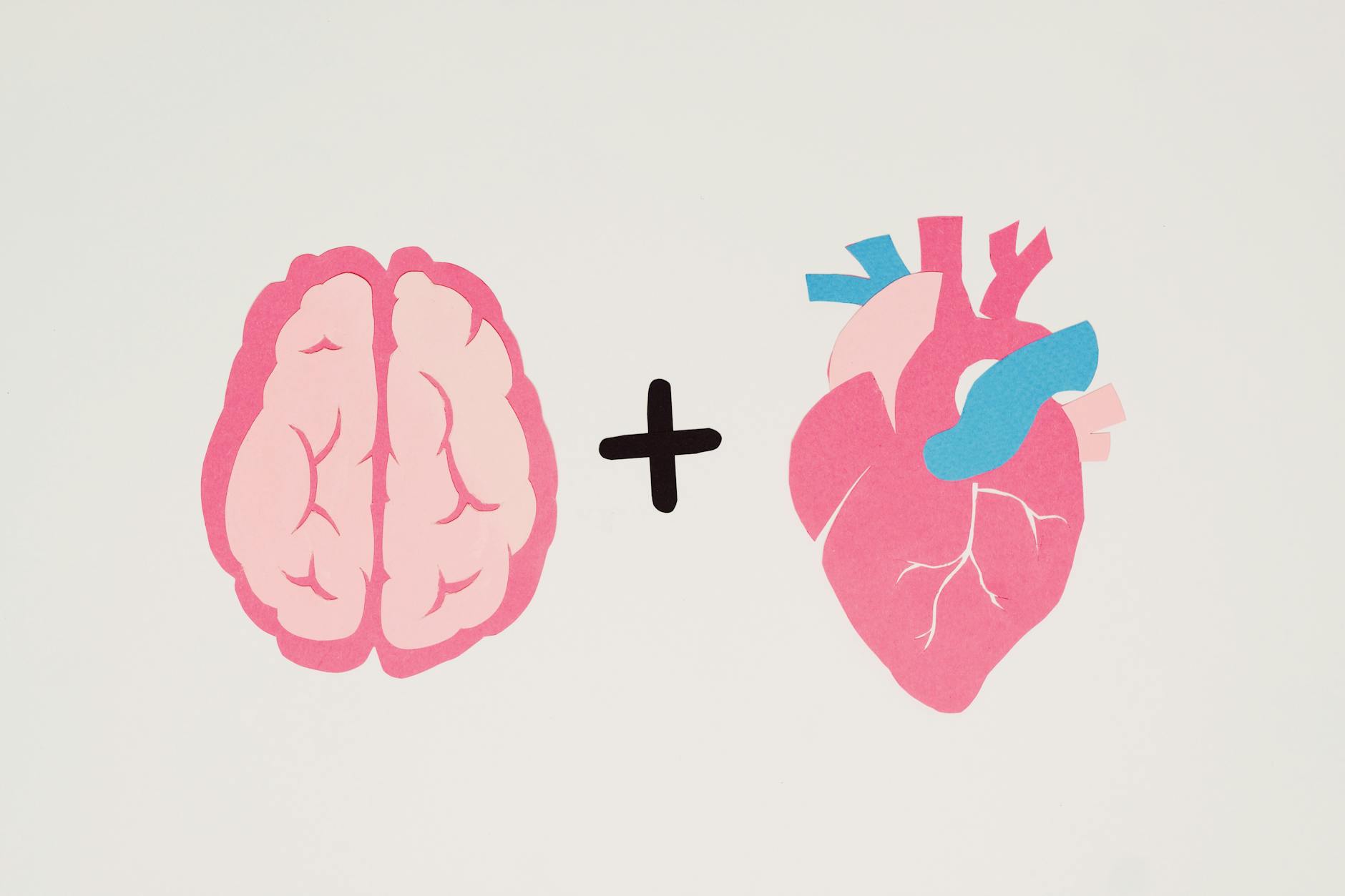
The heart-brain axis represents a critical clinical intersection where cardiovascular health directly impacts cognitive function and neurological outcomes. Understanding this bidirectional relationship helps clinicians optimize treatment strategies that address both systems simultaneously, particularly relevant given cannabis medicine’s effects on both cardiovascular and neurological function.
The cardiovascular-neurological connection operates through shared risk factors including hypertension, diabetes, inflammation, and vascular dysfunction that affect both organ systems. Poor cardiovascular health reduces cerebral blood flow and oxygen delivery, accelerating cognitive decline and increasing stroke risk. Conversely, chronic stress and poor sleep—factors affecting brain health—elevate cardiovascular disease risk through inflammatory pathways and autonomic dysfunction.
“This reinforces what I see clinically: patients seeking cannabis for anxiety or sleep often have concurrent cardiovascular concerns, and addressing both simultaneously through lifestyle interventions plus targeted cannabis therapy yields better outcomes than treating either system in isolation.”
💬 Join the Conversation
Have a question about how this applies to your situation? Ask Dr. Caplan →
Want to discuss this topic with other patients and caregivers? Join the forum discussion →
Have thoughts on this? Share it:
Table of Contents
- FAQ
- What is the clinical relevance rating of this cannabis news?
- Which medical conditions does this cannabis research relate to?
- Is this considered breaking news in cannabis medicine?
- What type of healthcare professionals should pay attention to this news?
- How significant are these cannabis findings for clinical practice?
FAQ
What is the clinical relevance rating of this cannabis news?
This article has been assigned a CED Clinical Relevance rating of #70, indicating “Notable Clinical Interest.” This means the findings or policy developments are emerging and worth monitoring closely by healthcare professionals.
Which medical conditions does this cannabis research relate to?
The research covers multiple therapeutic areas including cardiovascular conditions, neurology, sleep disorders, and anxiety. This suggests the study examines cannabis effects across several medical specialties and patient populations.
Is this considered breaking news in cannabis medicine?
Yes, this article is marked as “New” content from CED Clinic’s cannabis news section. The information represents recent developments or findings in the field of medical cannabis research.
What type of healthcare professionals should pay attention to this news?
Given the diverse medical categories covered, this information is relevant for cardiologists, neurologists, sleep specialists, and mental health professionals. Any clinician considering cannabis therapeutics for their patients should monitor these developments.
How significant are these cannabis findings for clinical practice?
With a “Notable Clinical Interest” designation, these findings represent meaningful but emerging evidence. Healthcare providers should stay informed about these developments as they may influence future treatment protocols and patient care decisions.