Table of Contents
Nutrition 202: Foods That Do More Than “Provide Nutrients”
Why this: Most nutrition advice still treats the body like a storage container. Calories go in. Vitamins fill gaps. Deficiencies get corrected. That model works for preventing deficiency. It fails when the goal is long-term health, resilience, and aging well.
At a deeper biological level, food is not just fuel. Certain foods can influence inflammatory signaling, blood vessel function, immune balance, hormone metabolism, brain-relevant pathways, and the way our microbiome communicates with the rest of the body. This is not about superfoods or perfection. It is about understanding which foods interact most meaningfully with human physiology, and describing those effects with appropriate scientific restraint.
This reflects a view of food as biological signaling, not just calorie intake.
Table of Contents
- How to Think About Nutrition at This Level
What “biological impact” means, and why signaling differs from simple nutrient intake. - Extra-Virgin Olive Oil
Inflammation-related pathways and vascular support linked to olive phenolics. - Cruciferous Vegetables
Cellular defense programs (Nrf2), detox enzymes, and hormone-metabolism relevance. - Fermented Foods
Microbial chemistry that may support gut barrier and immune balance, depending on the food and person. - Legumes
Microbiome fermentation into short-chain fatty acids, with metabolic and immune implications. - Mushrooms
Beta-glucans and innate immune receptor signaling, with variable clinical translation. - Berries
Anthocyanins and brain-relevant pathways, with evidence strongest for overall dietary patterns. - Leafy Greens
Nitrate-to-nitric oxide biology that depends partly on oral bacteria. - Alliums
Reactive sulfur chemistry, preparation-dependent, with cardiovascular and antioxidant relevance. - Tomatoes
Lycopene bioavailability that increases with cooking and fat pairing. - Nuts and Seeds
Mineral density and metabolic support, often through redundancy rather than uniqueness. - Sea Vegetables
Iodine and thyroid relevance, with a narrower safety window for some people. - Global Takeaways
How to think in patterns: preparation, frequency, form, and redundancy.
Download the Printable Nutrition 202 Guide (PDF)
How to Think About Nutrition at This Level
At an advanced level, foods are not evaluated by calories or vitamins alone. Their importance comes from whether they activate gene expression programs, generate microbial metabolites humans cannot synthesize, interact with immune or vascular receptors, or function as signaling molecules rather than passive ingredients.
Older nutrition frameworks are useful for describing what foods contain, but they often fail to capture what foods do. This matters for inflammation, metabolism, cognition, immune tolerance, and resilience over time. The sections below describe likely and evidence-supported pathways in plain language, while staying careful about what is established in humans versus what is strongly supported mechanistically or preclinically.
- High-impact foods affect signaling pathways, not just nutrient totals.
- Some act through gene regulation, receptor interactions, or microbiome metabolites.
- Preparation and frequency often matter as much as quantity.
- Gene programs: transcription factors (example: Nrf2 in crucifers).
- Receptors: innate immune recognition receptors (example: dectin-1 for beta-glucans).
- Microbiome metabolites: short-chain fatty acids (example: butyrate from fermentable fibers).
- Mechanism vs outcome: strong mechanistic plausibility does not guarantee a measurable clinical effect in every person.
- Bioavailability: preparation, co-ingestion (fat, heat, fermentation), and the microbiome can change exposure to active compounds.
- Pattern matters: many human nutrition findings are strongest when foods are part of a consistent dietary pattern, not isolated additions.
Extra-Virgin Olive Oil
Supports inflammatory signaling balance and blood vessel function
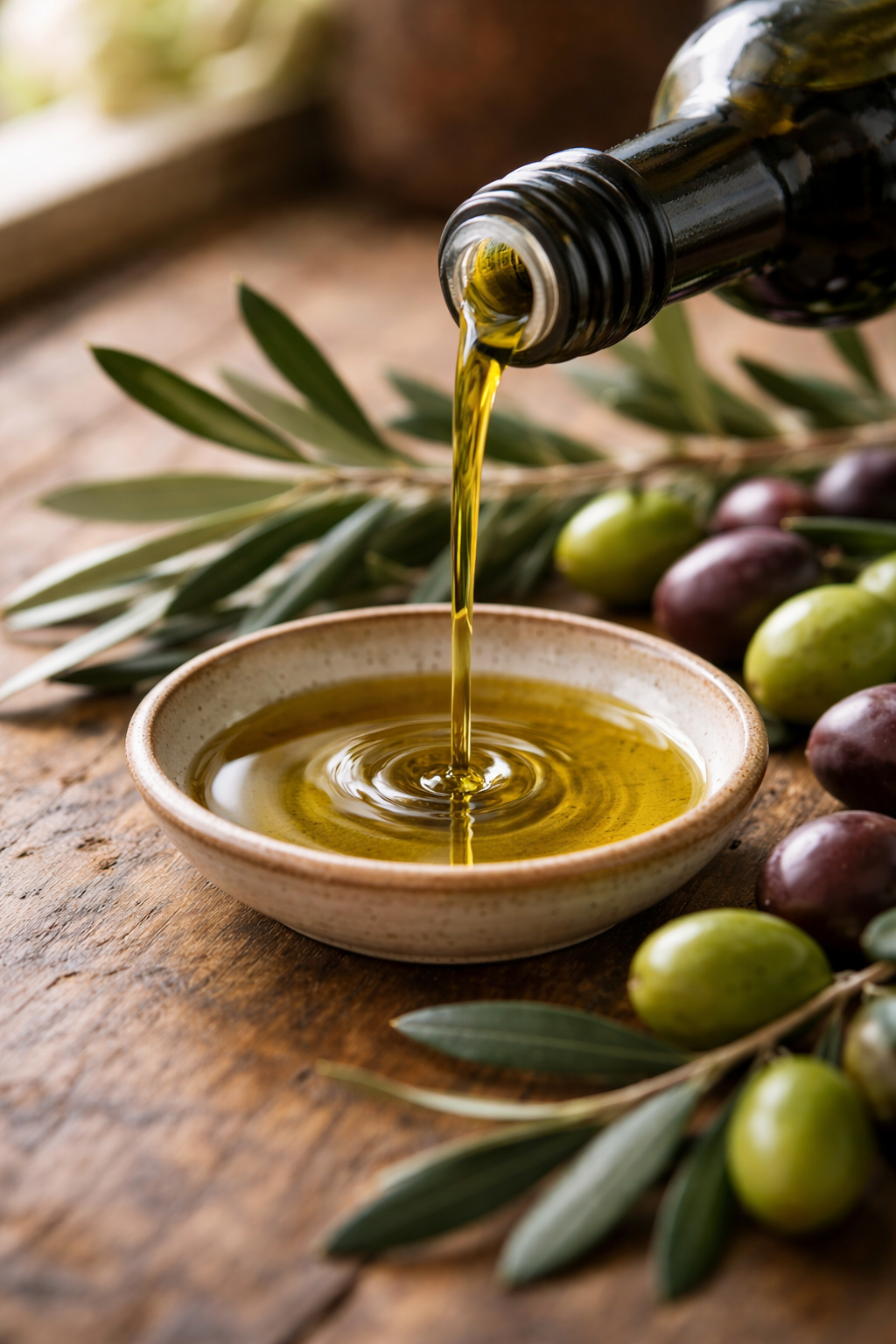
Extra-virgin olive oil is often described as a healthy fat, but its most important role has less to do with fat intake and more to do with bioactive phenolic compounds. These compounds have been studied for effects on inflammatory pathways and markers of vascular function, with results that vary by population, dose, and baseline health.
Oleocanthal, one of the better-studied olive phenolics, inhibits COX-1 and COX-2 enzymes in experimental work.1 Olive polyphenols have been associated in human studies with favorable changes in oxidative status and some markers related to LDL oxidation, and some studies suggest benefits for endothelial function, with effects that can vary by study design and population.2 The characteristic bitterness and throat sting of certain extra-virgin olive oils are often linked to phenolics, especially oleocanthal, and can be a practical sensory clue that the oil is not highly refined.1
- More than fat, it is a phenolic-rich signaling food.
- Oleocanthal shows COX-1/COX-2 inhibition in experimental research.
- Bitterness and throat sting can correlate with phenolics, especially oleocanthal.
- Molecules: oleocanthal, hydroxytyrosol, oleuropein (olive phenolics).
- Enzymes: COX-1 and COX-2 (experimental inhibition described for oleocanthal).
- Study endpoints often discussed: oxidative status, LDL oxidation-related measures, endothelial markers (results vary by study and population).
- Phenolic content is variable: cultivar, freshness, processing, and storage conditions can change phenolic levels.
- Sensory clues are imperfect: bitterness and throat irritation can correlate with phenolics, but they are not a lab measurement.
- Human outcomes depend on context: baseline diet quality and cardiometabolic risk can influence the size of effect seen in studies.
Cruciferous Vegetables
Activates cellular defense programs and supports detox enzyme pathways
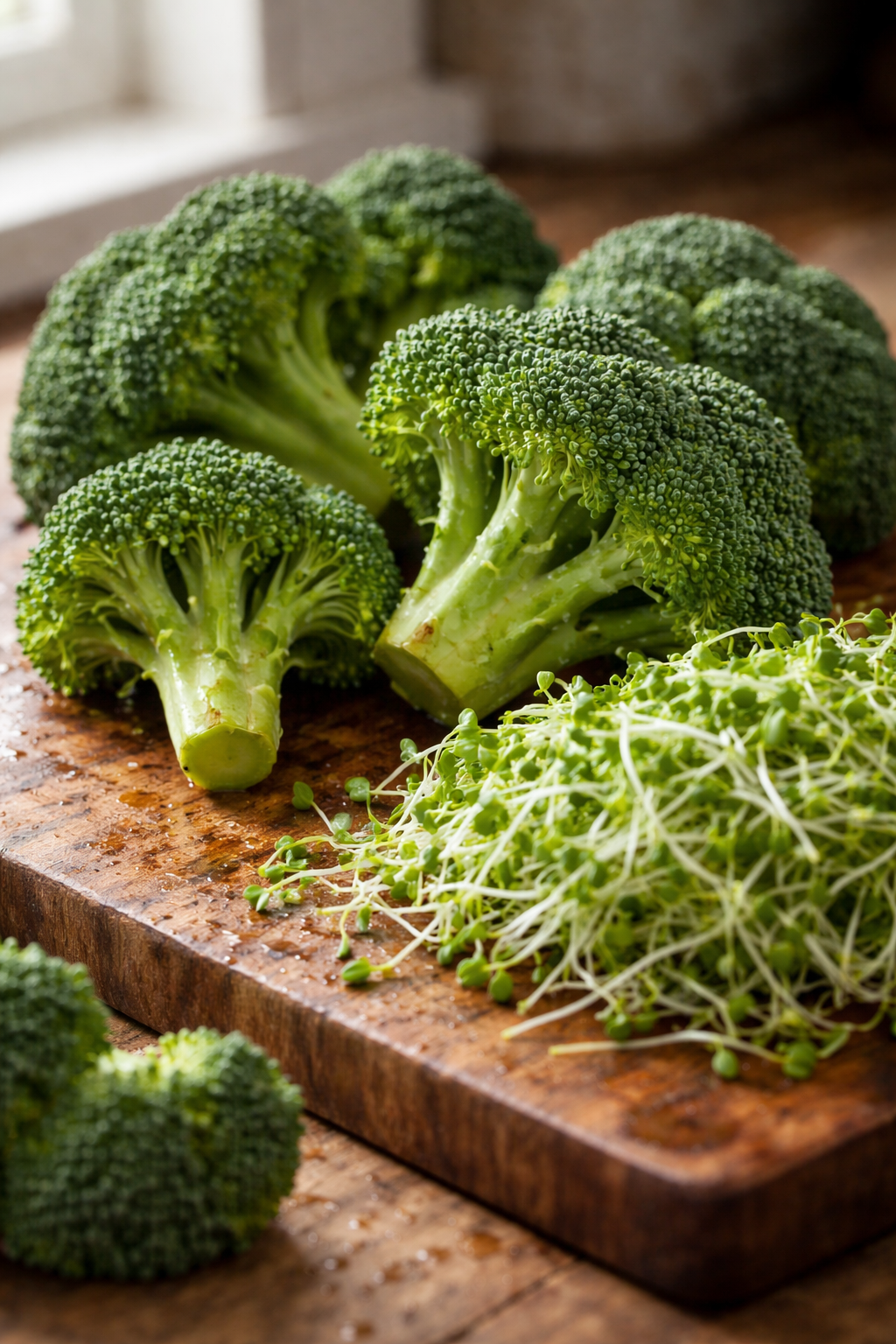
Broccoli, broccoli sprouts, and Brussels sprouts influence health through compounds that can activate cellular defense systems rather than acting as simple dietary antioxidants. Their biologic impact is often discussed in terms of gene-regulation and stress-response pathways.
Sulforaphane, derived from glucoraphanin, activates Nrf2 (NFE2L2), a transcription factor that increases endogenous antioxidant and cytoprotective enzyme production and upregulates phase II detoxification enzymes such as GST, NQO1, and HO-1.3 Crucifer-derived indoles also relate to estrogen metabolism pathways, and sulforaphane has been studied as a histone deacetylase inhibitor in experimental settings.4 The strongest claims here are mechanistic, and human effects depend on dose, preparation, and individual biology, but the pathway itself is well-established.3
- Acts through gene-regulation and stress-response pathways, not “vitamin load.”
- Sulforaphane activates Nrf2 and upregulates phase II detox enzymes (mechanistic evidence is strong).
- Human effects vary with preparation, dose, and individual biology.
- Molecules: glucoraphanin → sulforaphane; indole-3-carbinol (from crucifers).
- Gene regulator: Nrf2 (NFE2L2).
- Detox enzymes: GST, NQO1, HO-1 (commonly cited downstream targets).
- Activation is dose and preparation dependent: formation and exposure vary with plant form and handling.
- Mechanistic strength is high: the Nrf2 pathway is well-described; translating it to a single health outcome is more complex.
- Hormone-metabolism language needs restraint: indole-related pathways exist, but clinical implications vary by person and context.

Fermented Foods
May support gut barrier resilience and immune signaling
Fermented foods are often framed as probiotic delivery systems, but their effects can also come from fermentation-created chemistry, including organic acids, peptides, and other microbial metabolites. The impact varies substantially by food type, processing, salt content, and individual tolerance.
Depending on the product, fermented foods may support gut barrier function and influence immune signaling through interactions with pattern-recognition pathways in the gut.5 Some benefits can occur even without long-term colonization by the microbes in a given food, because bioactive metabolites and acids can influence the gut environment.5 The most defensible way to think about fermented foods is as microbial chemistry you can eat, with effects that are plausible and supported in parts of the literature, but not uniform across all fermented products or all people.5
- Benefits can come from fermentation chemistry, not just “live bacteria.”
- May support gut barrier function and immune signaling, depending on the product and person.
- Effects are not uniform across all fermented foods.
- Molecules: organic acids (especially lactic acid), bioactive peptides (food and process dependent).
- Microbial products: postbiotic compounds created during fermentation (varies widely by food).
- Systems discussed: gut barrier biology and mucosal immune signaling (variable outcomes in humans).
- Fermentation is not a single intervention: yogurt, kefir, kimchi, and miso can differ meaningfully in composition.
- Gut effects can be indirect: acids and metabolites can influence the gut environment even without durable colonization.
- Clinical translation varies: salt, additives, and individual intolerance can offset benefits for some people.
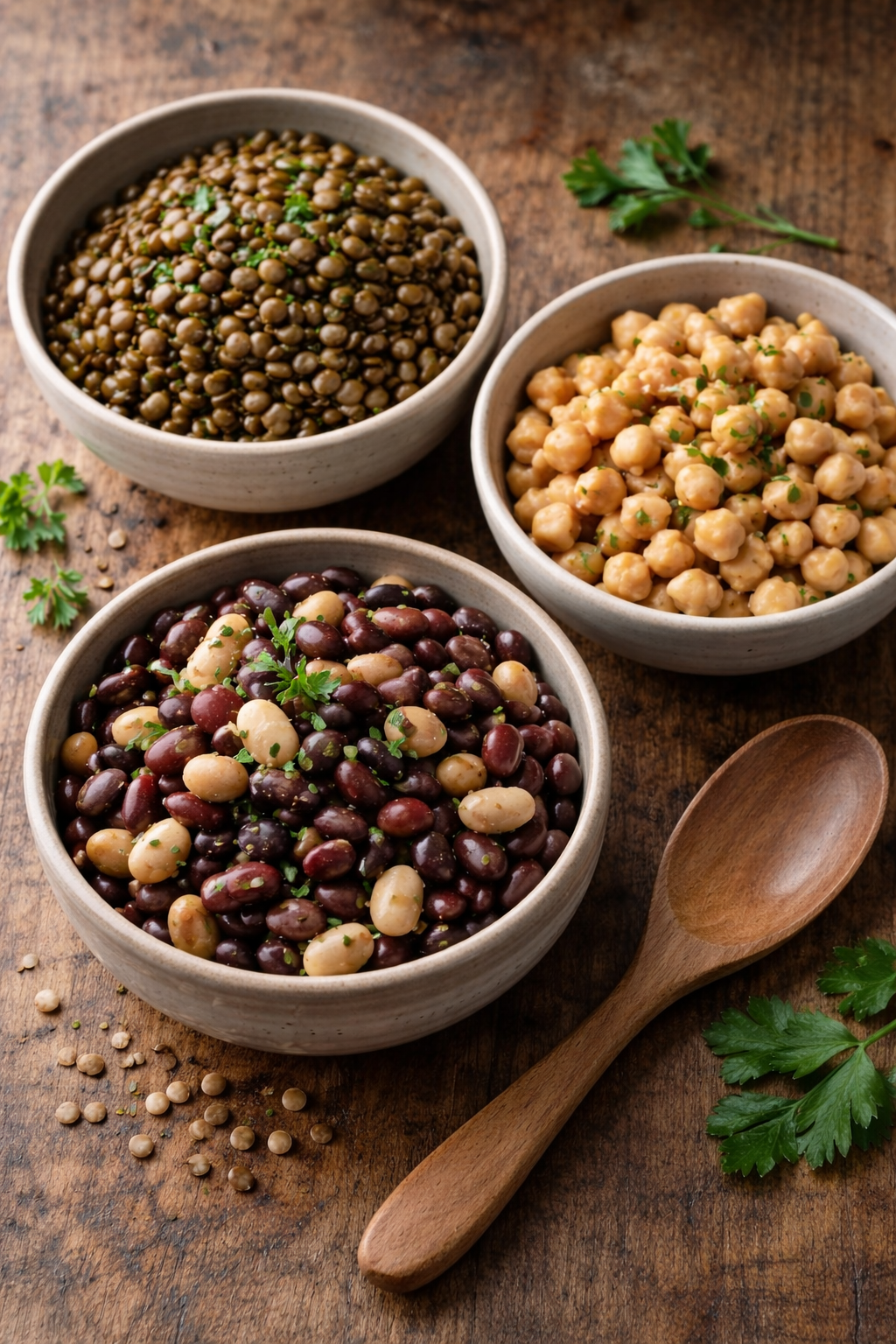
Legumes
Supports metabolic stability through microbiome fermentation
Legumes are often reduced to carbs, but their most distinctive physiology comes from what happens after they reach the colon. Their resistant starches and fermentable fibers are substrates for gut microbes, which convert them into short-chain fatty acids.
Through microbial fermentation, legume fibers can increase production of short-chain fatty acids such as butyrate.6 Butyrate is an energy source for colonocytes and has well-described signaling roles, including functioning as a histone deacetylase inhibitor and acting through GPCR pathways (including receptors commonly discussed as GPR41 and GPR43 in this context), with the usual caveat that downstream effects vary by host context.6 These pathways are biologically credible and well-characterized mechanistically. The magnitude of clinical effect in any individual depends on baseline diet, microbiome composition, and the overall pattern of fiber intake.6
- Key benefit comes from colon fermentation, not rapid digestion.
- Microbes can convert fibers into SCFAs such as butyrate.
- Butyrate has signaling roles (HDAC-related and GPCR-related pathways) and supports colon cells.
- Inputs: resistant starch, fermentable fibers.
- Outputs: short-chain fatty acids (SCFAs), especially butyrate.
- Targets: HDAC (butyrate as an inhibitor); GPCRs often referenced as GPR41 and GPR43 in SCFA signaling.
- Responder variability is expected: baseline microbiome and habitual fiber intake influence SCFA production.
- Mechanism is credible: SCFA signaling and colonocyte fueling are well-described; symptom outcomes are more individual.
- Practical lever: steady intake tends to matter more than occasional large servings.
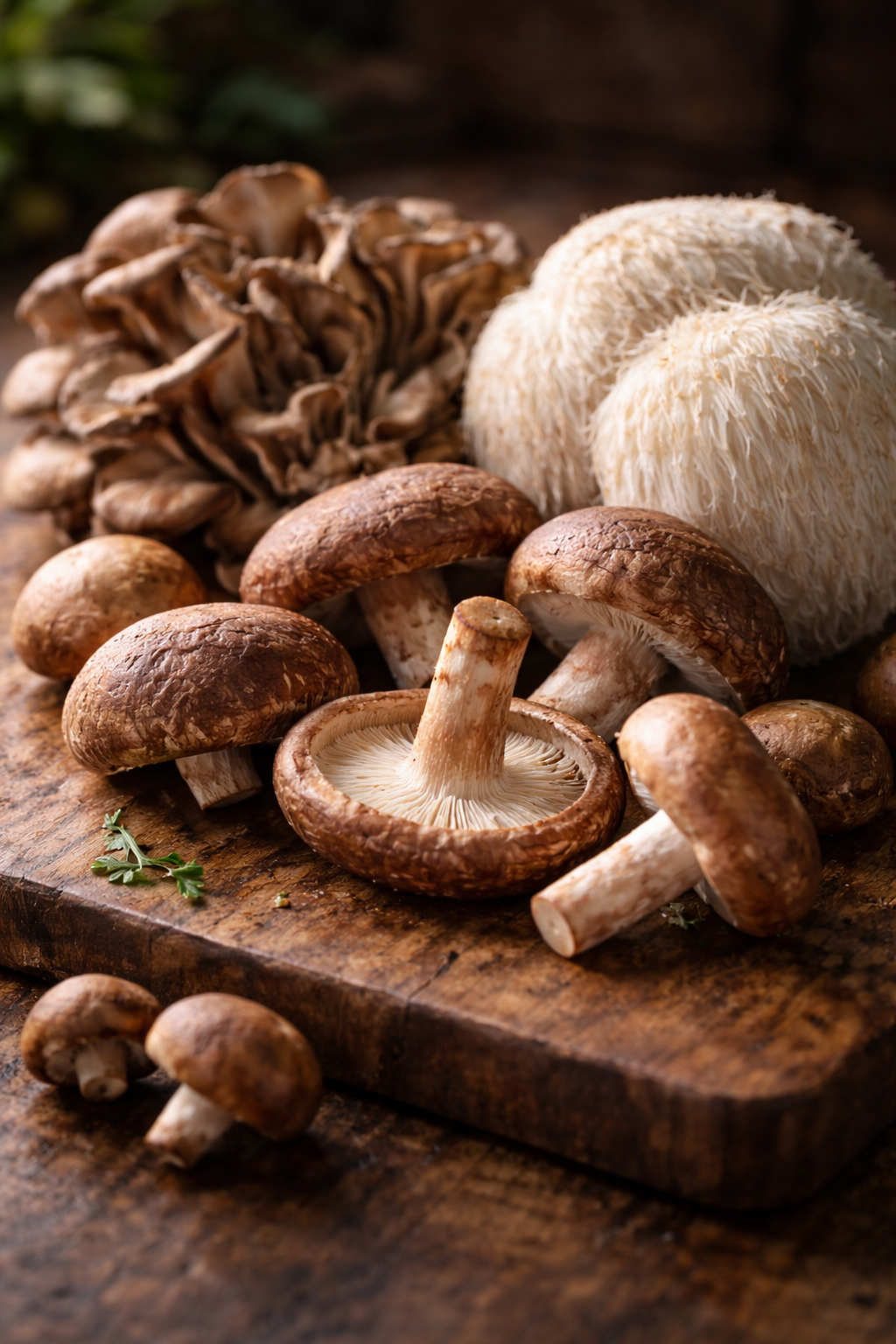
Mushrooms
Interacts with innate immune receptors and may modulate immune responses
Mushrooms contain beta-glucans that interact with receptors involved in innate immune recognition. This is a real and well-described immunologic pathway, though translation to measurable clinical outcomes varies by mushroom type, dose, preparation, and host context.7
Beta-1,3 and beta-1,6 glucans bind receptors including dectin-1 and complement receptor 3, which can modulate innate immune signaling.7 Lion’s mane contains compounds such as erinacines and hericenones that have shown nerve growth factor related effects in preclinical research, while human studies to date are smaller and more mixed.8 Human studies suggest possible cognitive or psychological effects in some contexts, but the mechanism in humans remains under investigation. A careful framing is that mushrooms contain compounds that plausibly support immune balance and brain-relevant pathways, without promising uniform outcomes.
- Beta-glucans can interact with innate immune receptors (mechanistic pathway is well-described).
- Clinical outcomes can vary by mushroom type, dose, and preparation.
- Lion’s mane has preclinical NGF-related findings; human mechanisms remain uncertain.
- Molecules: beta-1,3 and beta-1,6 glucans; (lion’s mane) erinacines and hericenones (preclinical emphasis).
- Receptors: dectin-1; complement receptor 3 (CR3).
- Pathway discussed: nerve growth factor (NGF)-related signaling (stronger preclinical than clinical).
- Terminology matters: “immune boosting” is not precise; these pathways relate to recognition and modulation.
- Preparation and matrix: cooking and extraction methods can change beta-glucan exposure.
- Human evidence varies: preclinical mechanisms can be compelling, while clinical endpoints remain mixed by context.
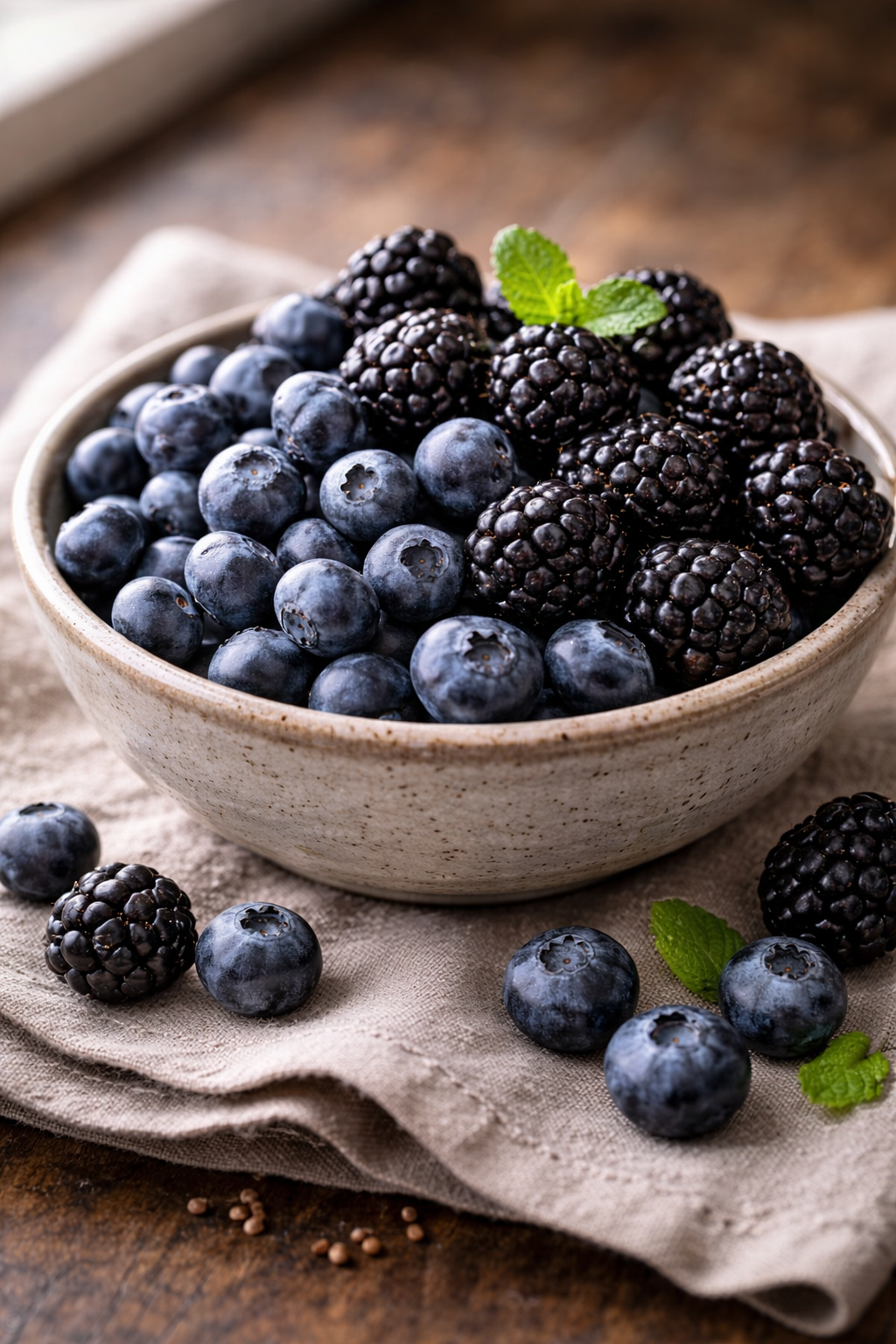
Berries
Supports brain-relevant pathways and vascular function over time
Berries provide anthocyanins and related polyphenols that have been studied for brain-relevant pathways and vascular function. Evidence is strongest when berries are part of broader dietary patterns associated with cardiometabolic and cognitive health, rather than as isolated magic ingredients.9
Anthocyanins and their metabolites have shown brain-relevant distribution in experimental studies, and berry intake has been associated with neuroprotective signaling pathways, endothelial support, and cognitive outcomes in some research, with effects that can vary substantially across study designs and populations.9 Mechanistic work often highlights microglial activation, synaptic signaling, and neurotrophic pathways such as BDNF, but direct effects and biomarker changes in humans can be variable. The most defensible takeaway is that berries are a reliable, low-risk way to support long-term vascular health and brain-adjacent biology, especially when consumed regularly in modest amounts.
- Studied for vascular support and brain-relevant signaling pathways.
- Evidence is strongest in dietary patterns, not one-off “superfood” claims.
- Human biomarker effects can vary; regular modest intake is a practical approach.
- Molecules: anthocyanins; flavonols and related polyphenols.
- Brain-relevant pathways discussed in research: neurotrophic signaling such as BDNF (context-dependent, variable in humans).
- Vascular biology: endothelial-related markers and oxidative balance measures (variable by study).
- Metabolites matter: many observed effects relate to polyphenol metabolites rather than intact compounds alone.
- Outcome framing: associations and modest effects are more defensible than deterministic claims.
- Low-risk habit: berries are generally a practical addition when they displace more refined sweets, rather than stacking calories.
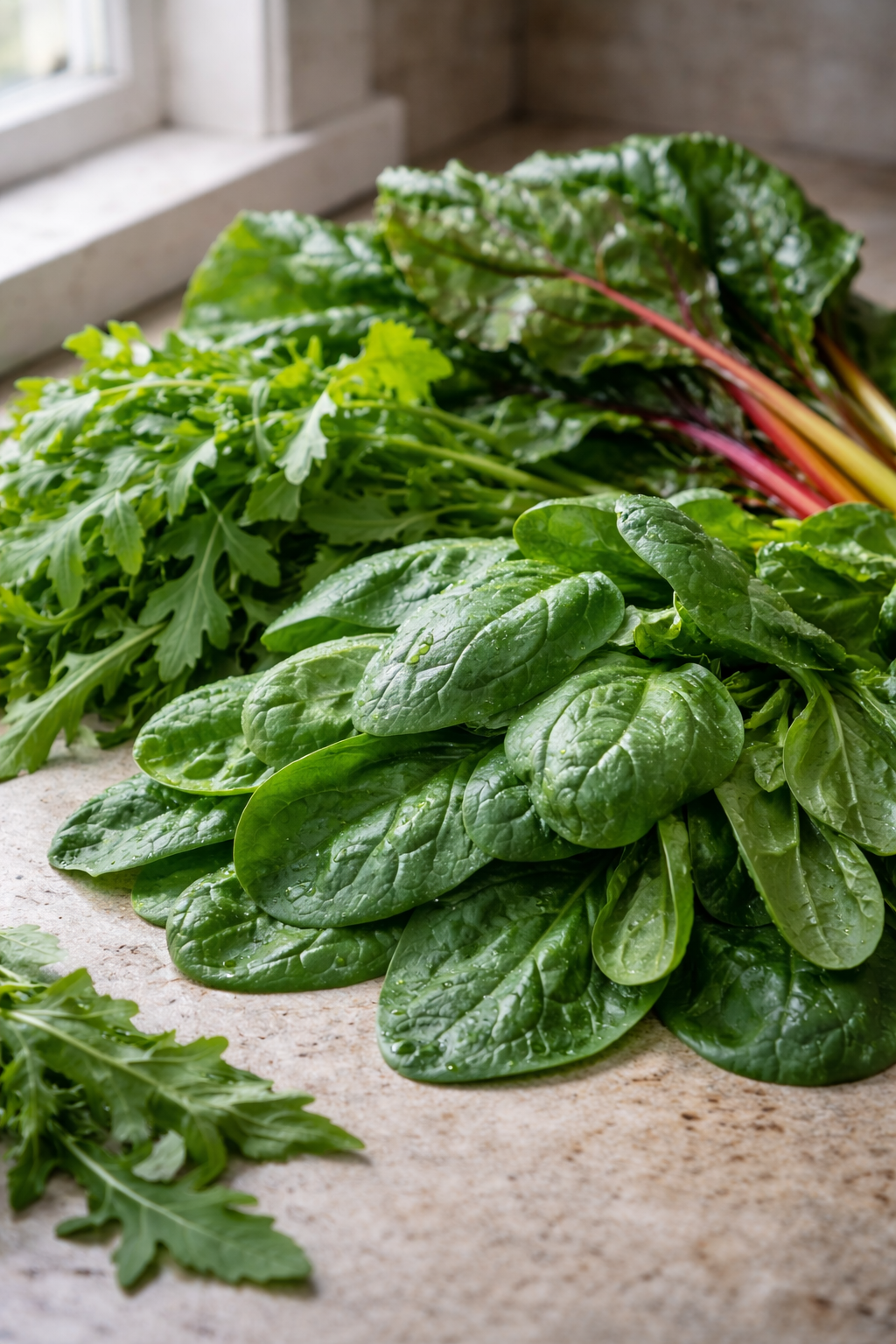
Leafy Greens
Supports circulation through nitrate-to-nitric oxide biology
Leafy greens support circulation partly through dietary nitrate, which can be converted to nitric oxide through a pathway that depends on oral bacteria. This can matter for blood pressure, vascular tone, and exercise tolerance in some people.10
Dietary nitrate is reduced to nitrite by oral microbes and can contribute to nitric oxide availability, supporting vasodilation and blood flow.10 This pathway can be blunted by antiseptic mouthwash in some studies.10 Leafy greens also provide folate and magnesium, which are relevant to methylation and cellular maintenance. As with many nutrition effects, magnitude varies, but the underlying pathway is well-established.10
- Supports circulation through nitrate → nitrite → nitric oxide pathways.
- Oral bacteria play a role; antiseptic mouthwash can blunt conversion in some studies.
- Also provides folate and magnesium for cellular maintenance.
- Nutrients: dietary nitrate, folate, magnesium.
- Conversion pathway: nitrate → nitrite (oral microbes) → nitric oxide (NO).
- Physiology: NO-related vasodilation and blood flow regulation (magnitude varies).
- Dependency is real: the oral microbiome is part of the pathway, so behavior and hygiene products can influence it.
- Not a substitute for care: this pathway can support vascular tone, but it is not a stand-in for treating hypertension.
- Context: effects may be more noticeable in people with lower baseline NO availability or higher vascular risk.

Alliums
Preparation-dependent sulfur chemistry with cardiovascular and antioxidant relevance
Garlic, onions, and leeks contain organosulfur compounds that change depending on how the food is cut, crushed, and heated. This chemistry is one of the reasons alliums are often studied for cardiovascular and antimicrobial effects.
Allium-derived compounds have demonstrated antimicrobial activity in experimental contexts and have been associated with antiplatelet and antioxidant effects in some clinical and dietary research, though results vary and depend heavily on preparation.11 Alliums also relate to glutathione biology indirectly, since sulfur-containing compounds participate in broader antioxidant systems. A simple practical point is that crushing garlic and letting it rest before cooking can increase formation of certain sulfur compounds compared with immediately heating whole cloves.11
- Key compounds are preparation-dependent, chop and rest changes chemistry.
- Associated with antimicrobial, antiplatelet, and antioxidant effects in some research.
- Relevance ties to cardiovascular support and broader antioxidant systems.
- Molecules: allicin and other organosulfur compounds (formation depends on cutting and time).
- Systems discussed: platelet-related pathways and oxidative balance (variable across studies and preparations).
- Antioxidant network context: sulfur chemistry intersects with glutathione-related biology (indirectly).
- Transient chemistry: some sulfur compounds are unstable, which helps explain why handling and timing change exposure.
- Study variability is expected: supplement trials and whole-food studies are not interchangeable.
- Practical lever: chopping or crushing, then resting briefly before cooking is a reasonable approach for those who tolerate garlic.
Tomatoes
Membrane protection supported by lycopene absorption
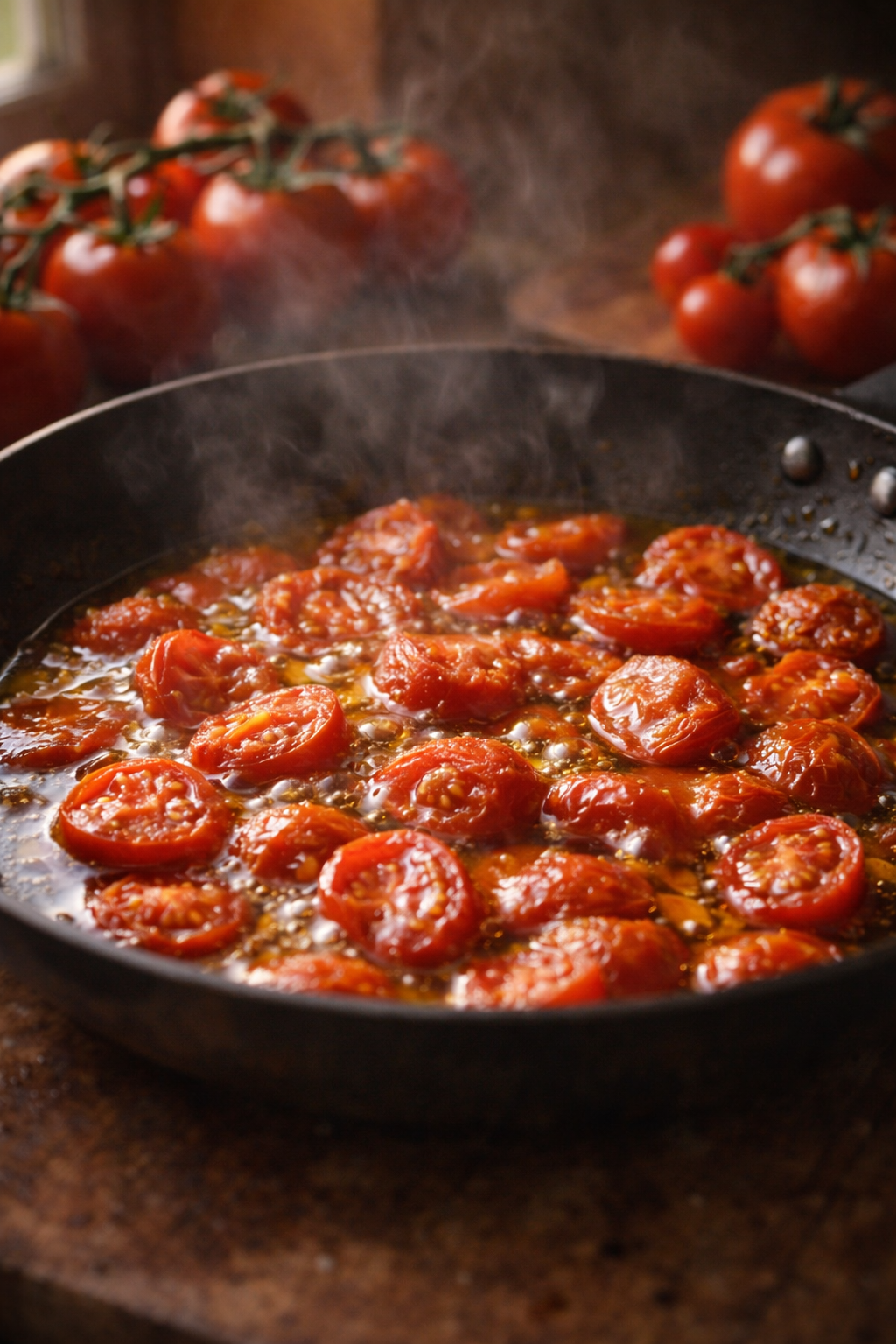
Tomatoes are a reliable source of lycopene, a lipophilic compound that is incorporated into lipid environments and studied for oxidative protection of cell membranes and lipoproteins.
Lycopene absorption increases with cooking and improves further when tomatoes are eaten with dietary fat.12 In this case, the biologic effect depends more on bioavailability than on whether tomatoes are raw. Over time, consistent intake of tomato products can support oxidative balance and is often discussed in relation to prostate and cardiovascular health, with outcomes depending on the broader diet and risk profile.12
- Lycopene is lipophilic and relates to oxidative protection in lipid environments.
- Cooking plus fat pairing improves absorption.
- Benefit depends on bioavailability, not “rawness.”
- Molecule: lycopene.
- Absorption enhancer: dietary fat improves lycopene bioavailability.
- Biology: oxidative stress measures in lipid environments (membranes, lipoproteins), with study-to-study variability.
- Bioavailability is the point: the preparation that improves absorption is often more important than the raw ingredient itself.
- Outcome framing: “supportive” is more accurate than “preventive” when translating nutrition evidence.
- Co-ingestion: pairing with olive oil is a practical way to align the food matrix with a lipophilic compound.
Nuts and Seeds
Mineral density and steady metabolic support through redundancy
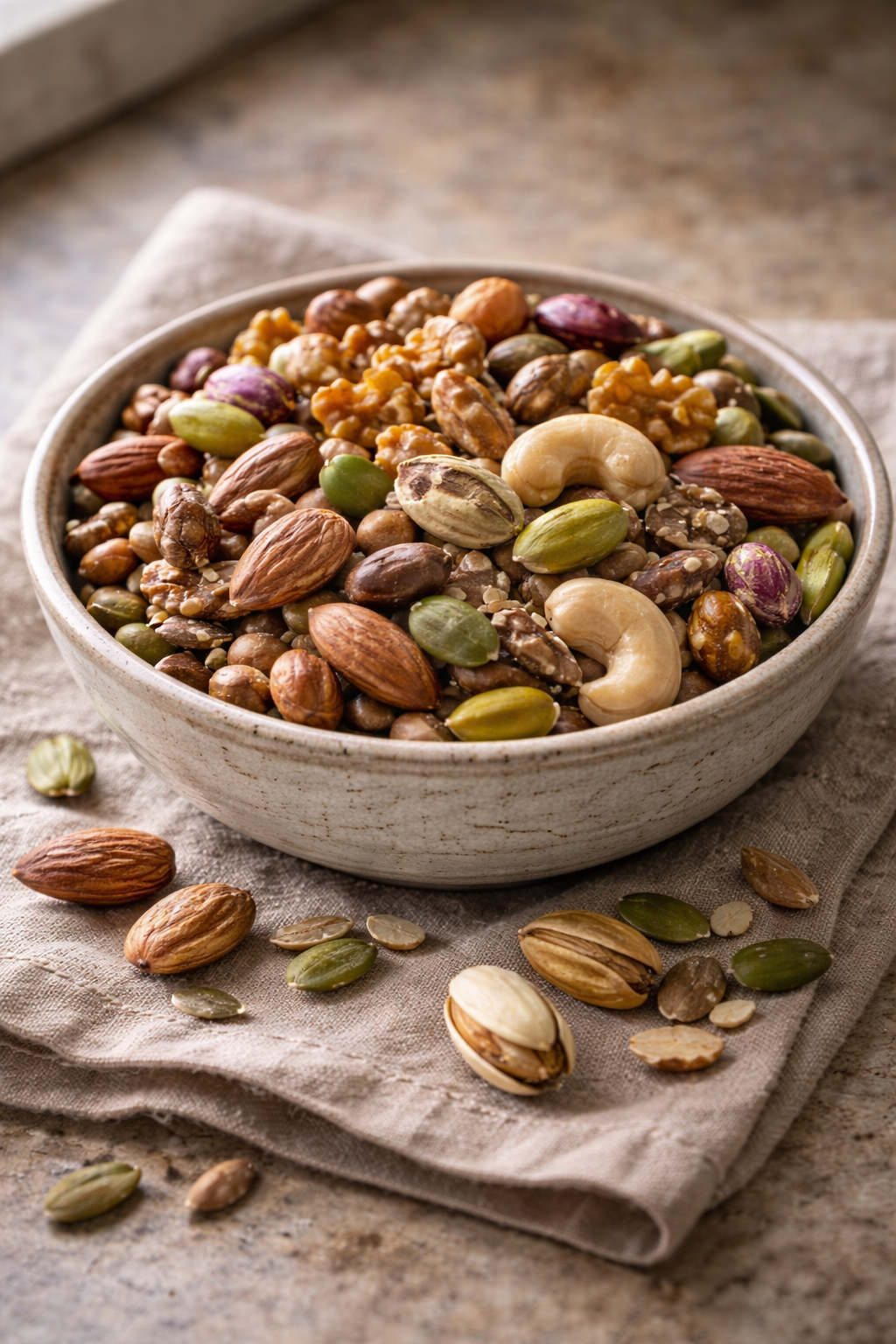
Nuts and seeds provide broad metabolic support rather than a single unique mechanism. They are useful partly because they supply multiple supportive compounds at once, including minerals and lipid-soluble antioxidants.
They provide magnesium for ATP-dependent enzymatic reactions, arginine as a nitric oxide precursor, and various tocopherols and polyphenols that support oxidative balance. The most consistent benefits tend to show up when nuts and seeds replace less favorable snack patterns, rather than when they are simply added on top of an already high-calorie intake. Portion size and context matter.
- Broad benefits, mostly through supportive redundancy.
- Magnesium supports ATP-dependent enzymes; arginine supports nitric oxide pathways.
- Best impact often comes from replacement of less favorable snacks, portion matters.
- Nutrients: magnesium; arginine.
- Vitamin E family: tocopherols (type varies by nut and seed).
- Pathway: nitric oxide (NO) precursor support via arginine (context-dependent, not a guarantee of outcome).
- Replacement effect is real: many observed benefits occur when nuts displace refined snacks, not when they are added without adjusting intake.
- Matrix matters: whole-food fats, fiber, and micronutrients arrive together, which is part of the advantage.
- Portion is the lever: a small daily portion is more consistent with the evidence than large add-ons.
Sea Vegetables
Thyroid-relevant nutrition with a narrower safety window
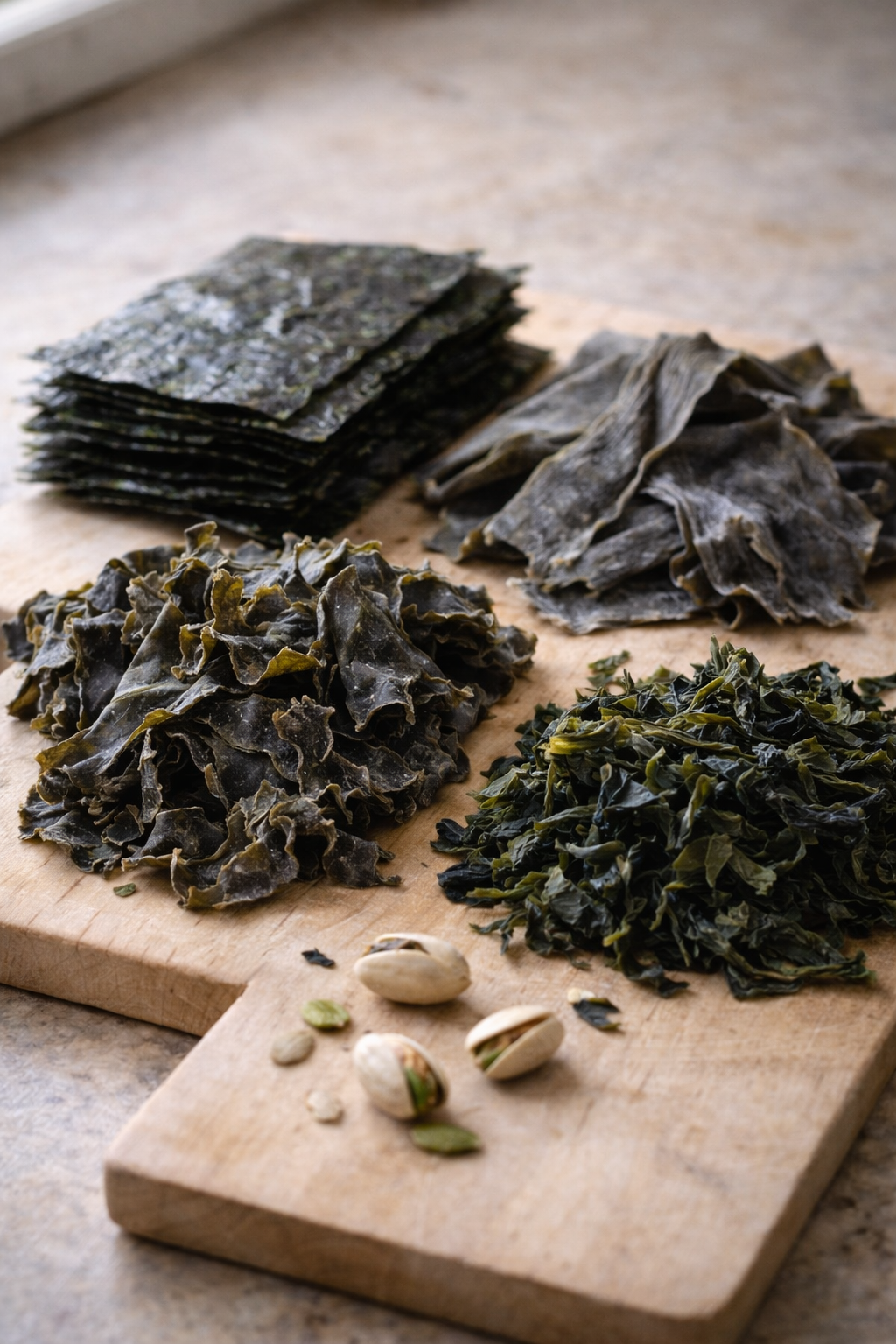
Sea vegetables are powerful but narrow tools. Their primary value lies in iodine, which is required for thyroid hormone synthesis. The same fact that makes them useful also makes dose important.
Some seaweeds, particularly certain kelp products, can contain very high iodine levels, and excessive iodine intake can trigger thyroid dysfunction in susceptible individuals.13 Sea vegetables also contain polysaccharides such as fucoidans that have emerging evidence for immune and microbiome effects, much of it preclinical or early-stage. The practical message is simple: sea vegetables can be valuable in the right context, but they are not a daily requirement for everyone.13
- Main benefit is iodine for thyroid hormone synthesis.
- Some kelp products can be very high iodine, excess can be risky in susceptible people.
- Fucoidan-related effects are emerging and often early-stage evidence.
- Nutrient: iodine.
- Hormones: thyroid hormone synthesis context (T3/T4 physiology; intake needs vary by person).
- Polysaccharides: fucoidans (mechanistic and early-stage evidence emphasis).
- Safety window matters: deficiency and excess are both possible, especially in people with thyroid vulnerability.
- Product variability: iodine content can vary by seaweed type, source, and serving size.
- Reasonable framing: sea vegetables can be a targeted tool, not a universal daily staple.
Global Takeaways
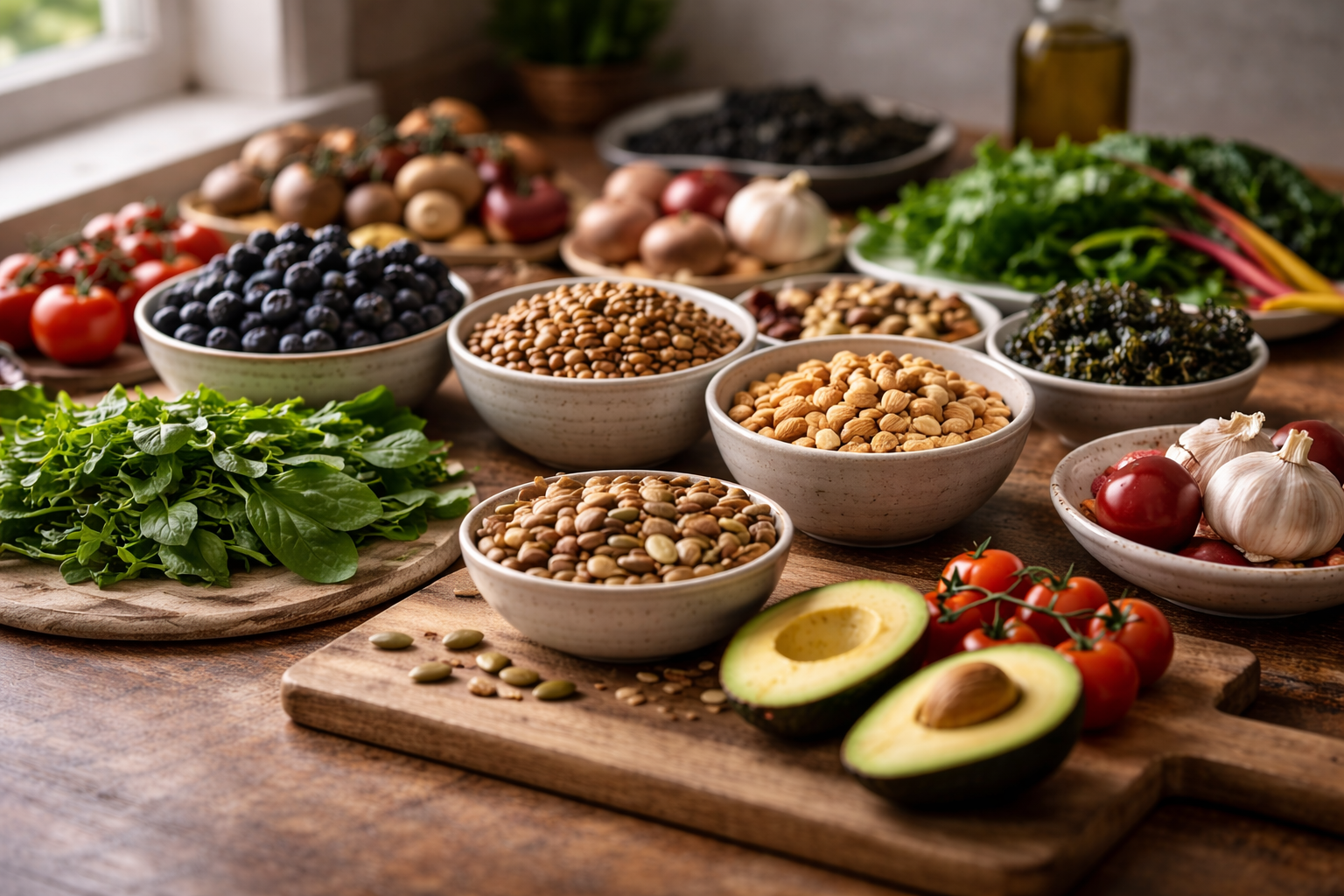
Foods matter most when they regulate systems, not when they simply supply nutrients. Preparation, pairing, frequency, and form often matter more than quantity. Patterns of exposure usually outperform one-off optimization. Redundancy is protective, and true uniqueness is rare.
This approach moves nutrition beyond calories, toward regulation of core biological systems.
- Prioritize foods that influence systems, not just nutrient totals.
- Preparation and frequency can matter more than quantity.
- Redundancy is protective; uniqueness is uncommon.
- Compound families: phenolics, glucosinolate-derived compounds, organosulfur compounds, dietary nitrate, fermentable fibers.
- Representative targets: transcription factors (example: Nrf2), innate receptors (example: dectin-1), microbial metabolites (example: SCFAs such as butyrate).
- Practical target: bioavailability, preparation, and food matrix effects.
- Nutrition is systems biology: effects often occur through networks, not single nutrients, and are shaped by baseline state.
- Claims need matching evidence: mechanistic plausibility is not the same as a proven disease outcome in humans.
- Most reliable strategy: consistent dietary patterns that repeatedly expose the body to these pathways.
Download the Printable Nutrition 202 Guide (PDF)
Further Reading
- Beauchamp GK, et al. Beauchamp GK, Keast RSJ, Morel D, Lin J, Pika J, Han Q, et al. Phytochemistry: ibuprofen-like activity in extra-virgin olive oil. Nature. 2005;437(7055):45–46. PubMed: https://pubmed.ncbi.nlm.nih.gov/16136122/
- European Food Safety Authority (EFSA). EFSA Panel on Dietetic Products, Nutrition and Allergies (NDA). Scientific Opinion on the substantiation of health claims related to polyphenols in olive oil and protection of LDL particles from oxidative damage. EFSA Journal. 2011;9(4):2033. doi:10.2903/j.efsa.2011.2033. https://efsa.onlinelibrary.wiley.com/doi/10.2903/j.efsa.2011.2033
- Riedl MA, et al. Riedl MA, Saxon A, Diaz-Sanchez D. Oral sulforaphane increases Phase II antioxidant enzymes in the human upper airway. Clinical Immunology. 2009;130(3):244–251. PubMed: https://pubmed.ncbi.nlm.nih.gov/19028145/
- Myzak MC, Dashwood RH. Myzak MC, Dashwood RH. Histone deacetylases as targets for dietary cancer-preventive agents: lessons learned with butyrate, diallyl disulfide, and sulforaphane. Cancer Letters. 2006;241(2):247–254. PMC review context discussing sulforaphane as an HDAC inhibitor: https://pmc.ncbi.nlm.nih.gov/articles/PMC3897785/
- Marco ML, et al. Marco ML, Heeney D, Binda S, Cifelli CJ, Cotter PD, Foligné B, et al. Health benefits of fermented foods: microbiota and beyond. Cell Host & Microbe. 2017;22(2):179–188. PMC review on fermented foods, the microbiome, and health: https://pmc.ncbi.nlm.nih.gov/articles/PMC8620815/
- Ríos-Covián D, et al. Ríos-Covián D, Ruas-Madiedo P, Margolles A, Gueimonde M, de Los Reyes-Gavilán CG, Salazar N. Intestinal short chain fatty acids and their link with diet and human health. Frontiers in Microbiology. 2016;7:185. PMC: https://pmc.ncbi.nlm.nih.gov/articles/PMC6333934/
- Vetvicka V, et al. Vetvicka V, Vannucci L, Sima P, Richter J. β-glucan as a new tool in vaccine development. Scandinavian Journal of Immunology. 2019;90(4):e12833. For mechanistic review of β-glucan recognition by innate immune receptors including dectin-1 and CR3, see: Brown GD, Gordon S. Immune recognition of fungal β-glucans. Cellular Microbiology. 2005;7(4):471–479. PMC overview: https://pmc.ncbi.nlm.nih.gov/articles/PMC6618291/
- Friedman M. Friedman M. Chemistry, nutrition, and health-promoting properties of Hericium erinaceus (lion’s mane) mushroom fruiting bodies and mycelia and their bioactive compounds. Journal of Agricultural and Food Chemistry. 2015;63(32):7108–7123. PMC review example on Hericium erinaceus: https://pmc.ncbi.nlm.nih.gov/articles/PMC5987239/
- Berry polyphenols and brain-relevant pathways. Miller MG, Shukitt-Hale B. Berries and brain health. Journal of Agricultural and Food Chemistry. 2012;60(23):5709–5715. Recent open-access review on berry polyphenols, brain-relevant pathways, and variability in human outcomes: https://pmc.ncbi.nlm.nih.gov/articles/PMC10669056/
- Kapil V, et al. Kapil V, Haydar SM, Pearl V, Lundberg JO, Weitzberg E, Ahluwalia A. Physiological role for nitrate-reducing oral bacteria in blood pressure control. Free Radical Biology and Medicine. 2013;55:93–100. Related work on antiseptic mouthwash disrupting the enterosalivary nitrate–nitrite–NO pathway and blood pressure: Montenegro MF, et al. Oral nitrite circumvents antiseptic mouthwash-induced disruption of enterosalivary nitrate reduction and promotes nitrosation and blood pressure lowering. Free Radical Biology and Medicine. 2017;104:1–10. PubMed: https://pubmed.ncbi.nlm.nih.gov/25359409/ and https://pubmed.ncbi.nlm.nih.gov/27769921/
- Linus Pauling Institute, Oregon State University. Linus Pauling Institute, Oregon State University. Garlic. In: Micronutrient Information Center. Updated monograph detailing alliinase-driven formation of organosulfur compounds, preparation, and heat effects. https://lpi.oregonstate.edu/mic/food-beverages/garlic
- Story EN, et al. Story EN, Kopec RE, Schwartz SJ, Harris GK. An update on the health effects of tomato lycopene. Nutrients. 2010;2(10):963–988. PMC: https://pmc.ncbi.nlm.nih.gov/articles/PMC7996133/
- Leung AM, Braverman LE. Leung AM, Braverman LE. Consequences of excess iodine. Endocrinology and Metabolism Clinics of North America. 2014;43(3):593–608. Discussion includes iodine excess from seaweed and other sources. PMC: https://pmc.ncbi.nlm.nih.gov/articles/PMC8077470/