#45
Clinical Context
Background information relevant to the evolving cannabis medicine landscape.
South Carolina clinicians need to understand this pending legislation because clear regulatory frameworks for THC edibles affect how patients access cannabis products and what dosing/safety information they receive. When edibles become legally regulated rather than sold through uncontrolled markets, clinicians can better counsel patients on standardized dosing, product quality assurance, and potential drug interactions. This regulatory clarity also enables clinicians to document cannabis use more confidently in patient records and clinical decision-making without legal ambiguity.
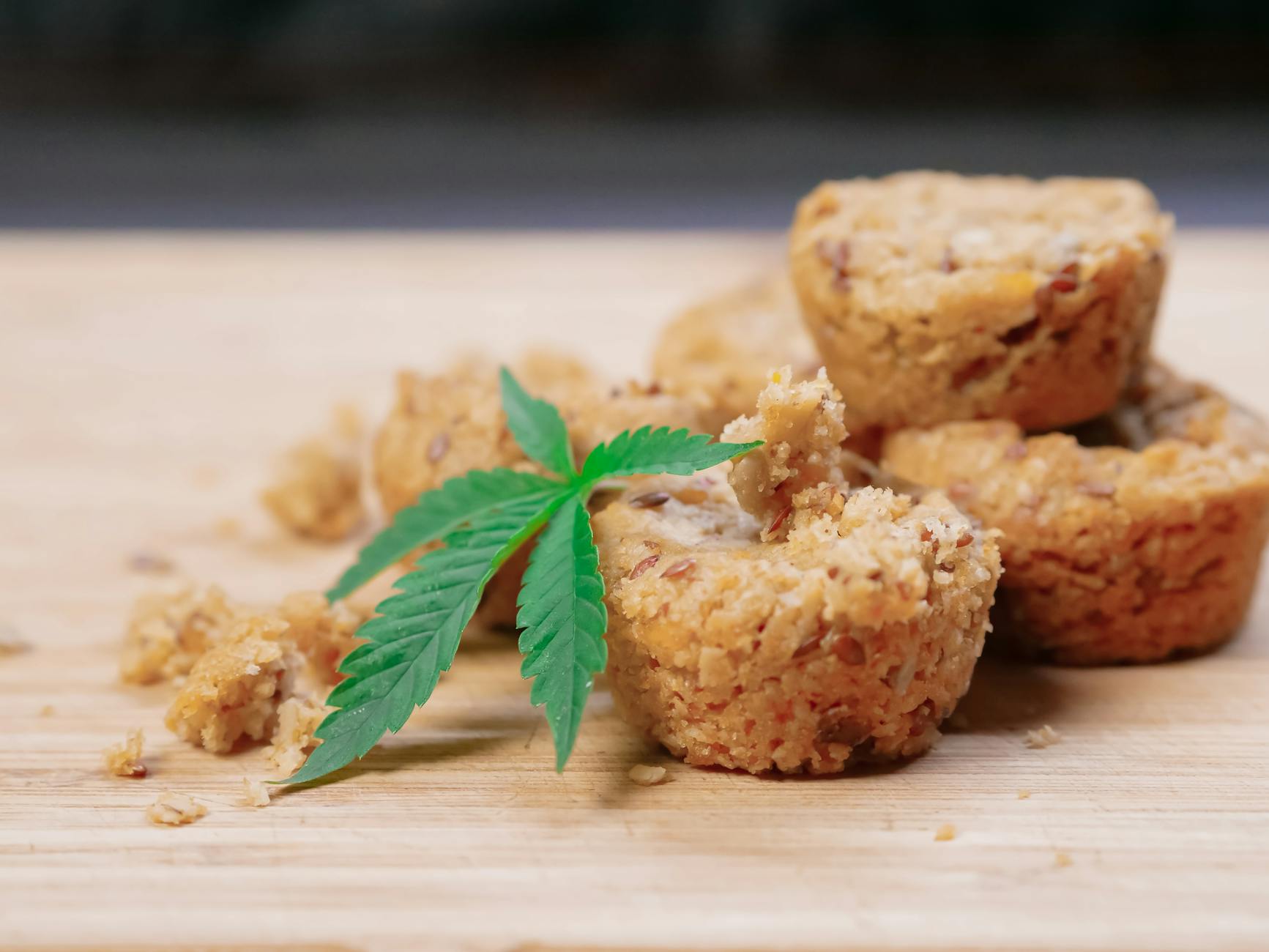
South Carolina’s proposed legislation to regulate hemp and THC-derived edible products is advancing toward gubernatorial review, representing a significant step toward establishing statewide oversight of cannabis consumables. This regulatory framework would create standardized requirements for THC edible sales, addressing the current gap in state-level controls that has allowed variable product quality, labeling accuracy, and potency standards across the market. For clinicians, such regulation could improve the reliability of information available to patients regarding THC content and product composition, facilitating more informed counseling about dosing and potential effects. The bill’s progression reflects growing recognition that structured regulation of edibles is necessary to protect public health, particularly given the delayed onset and prolonged effects of ingested cannabis compared to other routes of administration. Once enacted, this legislation would establish clearer parameters for both patient access and clinical guidance regarding appropriate edible use. Clinicians should anticipate that state regulation of THC edibles will provide more consistent product labeling and potency information, enabling better patient education and safer dosing recommendations in jurisdictions where cannabis use is appropriate.
“What we’re seeing in South Carolina mirrors a critical gap in medical practice across the country: without clear regulatory standards for potency, labeling, and product consistency, we’re essentially asking patients to self-titrate medications in the dark, which undermines everything we know about safe pharmacotherapy.”
🏥 As South Carolina approaches regulatory clarity on THC edible products, clinicians should anticipate increased patient access to these formulations and prepare accordingly. The regulation of edible products may improve label accuracy and dosing standardization compared to current unregulated markets, potentially reducing the risk of accidental overdose or mislabeling that has complicated clinical encounters in other states. However, clinicians must recognize that regulatory oversight does not eliminate concerns about long-term safety, developmental impacts in adolescents, or interactions with medications patients may be taking. Additionally, the transition from unregulated to regulated products may shift patterns of use and patient demographics in unpredictable ways. Healthcare providers in South Carolina should familiarize themselves with the specific requirements of this legislation once enacted, establish protocols for discussing THC edible use during patient assessments, and remain attentive to emerging harms while patients increasingly disclose or accidentally reveal consumption of these products.
💬 Join the Conversation
Have a question about how this applies to your situation?
Ask Dr. Caplan →
Want to discuss this topic with other patients and caregivers?
Join the forum discussion →
FAQ
This News item was assembled from structured source metadata and pipeline scoring.
Have thoughts on this? Share it: