





























#82 Strong Clinical Relevance
High-quality evidence with meaningful patient or clinical significance.
Clinicians treating athletes should be aware that major sports organizations are reconsidering cannabis restrictions, which may influence patient disclosure patterns and create opportunities to discuss evidence-based cannabinoid use for pain and injury recovery. This policy shift reflects growing clinical interest in CBD for post-concussion management and musculoskeletal pain, conditions common in both professional and recreational athletes that clinicians treat across all populations. Understanding these regulatory changes helps clinicians stay current on what patients may be using or considering while supporting informed decision-making about cannabis products in pain management protocols.
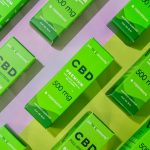
The Women’s National Basketball Association has removed marijuana from its banned substances list and established clinical guidelines for player use, reflecting a broader shift in professional sports policy toward cannabis for therapeutic purposes. This policy change recognizes the potential medical applications of cannabinoids, particularly CBD, for managing pain and mitigating neuropathic complications from sports-related head injuries and concussions. The decision suggests that major athletic organizations now view cannabis therapeutically rather than exclusively as a performance-enhancing or recreational substance, which may influence how team physicians approach pain management in athletes. For clinicians treating athletic populations, this policy shift indicates growing organizational acceptance of evidence-based cannabis use for specific indications like neuropathic pain and post-concussion sequelae, potentially affecting patient conversations about treatment options. Clinicians working with athletes should be prepared to discuss the clinical evidence for CBD in pain and neuroprotection, understand their own institutional policies, and recognize that major sports organizations’ endorsement may improve patient acceptance of cannabis as a legitimate therapeutic option.
“What we’re seeing with professional sports organizations reconsidering cannabis policy is a recognition that my patients have known for years: cannabinoids have legitimate therapeutic applications for pain and inflammation that deserve evidence-based consideration rather than blanket prohibition, and these athletes deserve access to the same treatment options available to everyone else dealing with sports injuries.”
🏀 The WNBA’s reclassification of marijuana and establishment of CBD use guidelines reflects evolving recognition that cannabinoids may offer therapeutic value for athletes managing chronic pain and sports-related injuries, yet this policy shift should not automatically translate into routine clinical endorsement without individual assessment. While preclinical evidence suggests CBD’s potential neuroprotective and analgesic properties, the clinical literature remains limited by heterogeneous study designs, variable dosing regimens, and lack of long-term safety data in athletic populations, particularly regarding cognitive effects and drug interactions with other medications. Healthcare providers should recognize that professional sports policies do not constitute medical evidence and that patient-specific factors—including injury severity, comorbidities, medication history, and access to evidence-based alternatives like physical therapy or conventional analgesics—must guide any discussion about cannabinoid use. In clinical practice, providers caring for athletes or active individuals with pain or concussion concerns should counsel
This topic comes up in consultations often.
Dr. Caplan offers clinical context on evolving cannabis policy and its real-world implications for patients.
Book a consultation →💬 Join the Conversation
Have a question about how this applies to your situation? Ask Dr. Caplan →
Want to discuss this topic with other patients and caregivers? Join the forum discussion →
Have thoughts on this? Share it:



