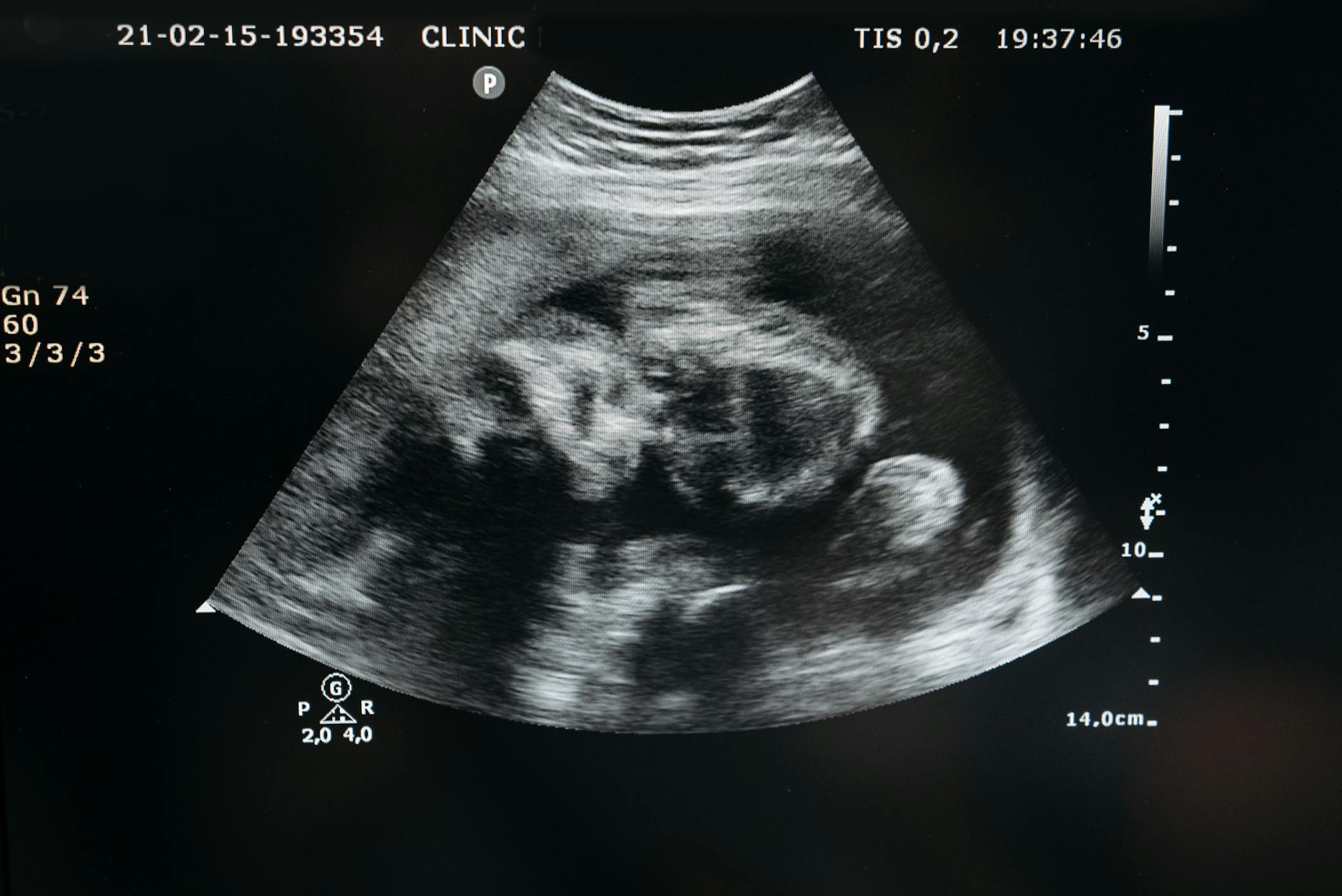
 cannabis exposure” style=”width:100%;max-height:420px;object-fit:cover;border-radius:8px;display:block;” />
#81 Strong Clinical Relevance
High-quality evidence with meaningful patient or clinical significance.
I need the article summary to write the sentences explaining clinical significance. Please provide the summary text from the article.
This research examines whether placental changes induced by prenatal cannabis exposure can serve as early biomarkers for schizophrenia risk in offspring. The study suggests that maternal cannabis use during pregnancy may alter placental structure and function in ways that correlate with neurodevelopmental vulnerabilities associated with psychotic disorders, potentially offering a mechanism by which prenatal cannabinoid exposure increases offspring psychiatric risk. These findings contribute to the growing evidence that cannabis exposure during critical developmental windows, particularly the prenatal period, carries significant neurobiological consequences beyond general teratogenicity. For clinicians counseling pregnant patients or women of childbearing age, these results reinforce current clinical guidance against cannabis use in pregnancy and highlight the need for robust patient education regarding psychotic and neurodevelopmental risks to offspring. The identification of placental biomarkers could eventually enable early identification and intervention for high-risk infants, though clinical translation remains preliminary. Clinicians should incorporate prenatal cannabis exposure as a relevant risk factor when assessing family history and developmental trajectory in pediatric patients with emerging psychiatric symptoms.
“What we’re learning from placental biomarkers in cannabis-exposed pregnancies is that we need to stop thinking of cannabis as simply safe or unsafe in pregnancy and instead recognize it as a neurobiologically active substance that can alter fetal brain development in measurable ways, which means informed consent conversations with pregnant patients have to include this emerging evidence, not reassurance based on outdated comparative harm frameworks.”
🧠 Emerging evidence suggests that prenatal cannabis exposure may alter placental function in ways that could increase neurodevelopmental risk, including potential schizophrenia vulnerability, though the causal mechanisms remain incompletely understood and human studies are limited. This research highlights an important gap in counseling pregnant patients about cannabis use, particularly as legalization increases accessibility and perception of safety; however, clinicians should recognize that individual risk depends on multiple factors including genetic predisposition, timing and dose of exposure, and concurrent exposures that are difficult to isolate in observational studies. While placental biomarkers show promise as potential early indicators of neurodevelopmental risk, they are not yet clinically validated or actionable in routine prenatal care. In practice, healthcare providers should counsel reproductive-aged and pregnant patients that evidence supports avoiding cannabis during pregnancy as a precaution, particularly given the developing brain’s vulnerability and the lack of established safety thresholds, while
💬 Join the Conversation
Have a question about how this applies to your situation? Ask Dr. Caplan →
Want to discuss this topic with other patients and caregivers? Join the forum discussion →
Have thoughts on this? Share it:

