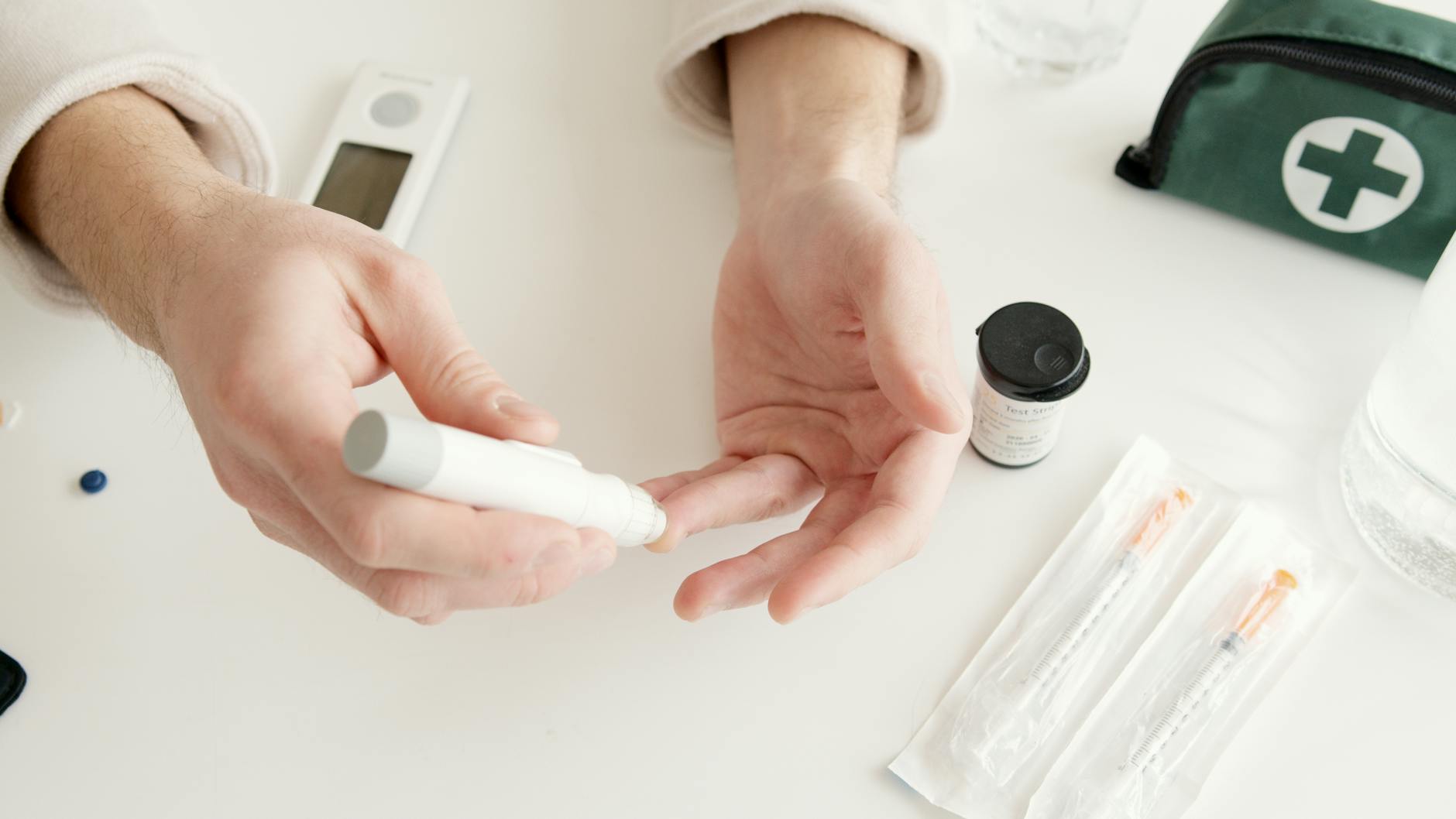
The escalating utilization of GLP-1 receptor agonists in the United States reflects substantial shifts in prescribing patterns driven by both their FDA-approved indications for type 2 diabetes and their increasingly common off-label use for weight management in non-diabetic populations. This trend analysis projects that GLP-1 drugs could represent a significant proportion of total U.S. pharmaceutical spending, potentially reaching $1 trillion in aggregate drug expenditures as these agents gain wider adoption across clinical populations. The expansion of GLP-1 utilization beyond traditional diabetes management to metabolic weight loss applications has created unprecedented demand, driven by both direct-to-consumer marketing and growing recognition of their efficacy in reducing cardiovascular events and metabolic complications.
The clinical significance of this prescribing expansion centers on the therapeutic breadth of GLP-1 receptor agonists, which demonstrate effectiveness in improving glycemic control, reducing weight, and decreasing cardiovascular morbidity and mortality across multiple patient populations. For prescribers, the economic projections underscore the need to consider both clinical outcomes and cost-effectiveness when selecting agents within this drug class, recognizing that formulary restrictions, insurance coverage limitations, and out-of-pocket costs increasingly influence patient access to these medications. The substantial economic burden estimated by these projections may influence payer policies, insurance coverage determinations, and ultimately treatment patterns across diverse practice settings.
This trajectory suggests that GLP-1 receptor agonists will become a dominant component of pharmaceutical spending architecture, necessitating that clinicians remain cognizant of the economic landscape while prioritizing evidence-based prescribing decisions based on individual patient risk profiles, comorbidities, and treatment goals. The intersection of clinical efficacy and economic impact will likely shape formulary decisions and insurance coverage policies that directly affect prescriber recommendations and patient treatment adherence in coming years.
💬 Join the Conversation
Have a question about how this applies to your situation? Ask Dr. Caplan →
Want to discuss this topic with other patients and caregivers? Join the forum discussion →
Have thoughts on this? Share it:


Table of Contents
- FAQ
- What are GLP-1 drugs and why are they becoming so popular?
- Will my insurance cover GLP-1 medications for weight loss?
- How much do GLP-1 drugs cost without insurance?
- Are GLP-1 drugs safe to use long-term?
- Can I stop taking GLP-1 drugs whenever I want?
- Do GLP-1 drugs work for everyone?
- What side effects should I expect from GLP-1 medications?
- Will I need to change my diet and exercise while taking GLP-1 drugs?
- Are there different types of GLP-1 medications I should know about?
- What happens to my weight if I gain access to GLP-1 drugs through a clinical trial?
FAQ
What are GLP-1 drugs and why are they becoming so popular?
GLP-1 drugs are medications that help control blood sugar and reduce appetite, originally developed to treat type 2 diabetes. They have become popular for weight loss because they help people eat less and feel fuller longer.
Will my insurance cover GLP-1 medications for weight loss?
Coverage varies by insurance plan and whether you have diabetes or other qualifying conditions. Many plans cover GLP-1 drugs for diabetes but not for weight loss alone, so you should contact your insurance company to check your specific benefits.
How much do GLP-1 drugs cost without insurance?
GLP-1 medications can cost several hundred dollars per month without insurance coverage. Some manufacturers offer patient assistance programs to help reduce costs for those who qualify.
Are GLP-1 drugs safe to use long-term?
GLP-1 drugs have been used safely for over a decade in diabetic patients, and ongoing studies continue to monitor their long-term safety. Like all medications, they can have side effects, which your doctor can discuss with you.
Can I stop taking GLP-1 drugs whenever I want?
You can stop taking GLP-1 drugs, but you should discuss this with your doctor first. Many people regain weight after stopping, so your doctor can help you plan the best approach for your situation.
Do GLP-1 drugs work for everyone?
GLP-1 drugs work well for most people, but individual results vary based on factors like diet, exercise, and metabolism. Your doctor can help determine if a GLP-1 drug is appropriate for you.
What side effects should I expect from GLP-1 medications?
Common side effects include nausea, vomiting, and constipation, which often improve over time as your body adjusts. More serious side effects are rare but can occur, so inform your doctor if you experience concerning symptoms.
Will I need to change my diet and exercise while taking GLP-1 drugs?
While GLP-1 drugs help reduce appetite, continuing healthy eating and exercise habits will improve your results. Your doctor can recommend a balanced approach to diet and activity for best outcomes.
Are there different types of GLP-1 medications I should know about?
Several GLP-1 medications are available with slightly different formulations and dosing schedules. Your doctor will choose the one most suitable for your health needs and medical history.
What happens to my weight if I gain access to GLP-1 drugs through a clinical trial?
Clinical trial participants typically experience significant weight loss while taking GLP-1 medications, though results vary individually. Your doctor can explain what happens after a trial ends and discuss options for continued treatment.
