























Clinical Takeaway
Topical cannabis balms were well tolerated in women with aromatase inhibitor-related joint and bone pain, addressing a common side effect that affects treatment adherence in breast cancer patients. This feasibility trial provides preliminary evidence supporting further investigation of cannabis-based topicals as a potential option for managing this medication-induced musculoskeletal syndrome. Current evidence remains limited to this single trial, and larger comparative studies are needed before clinical recommendations can be made.
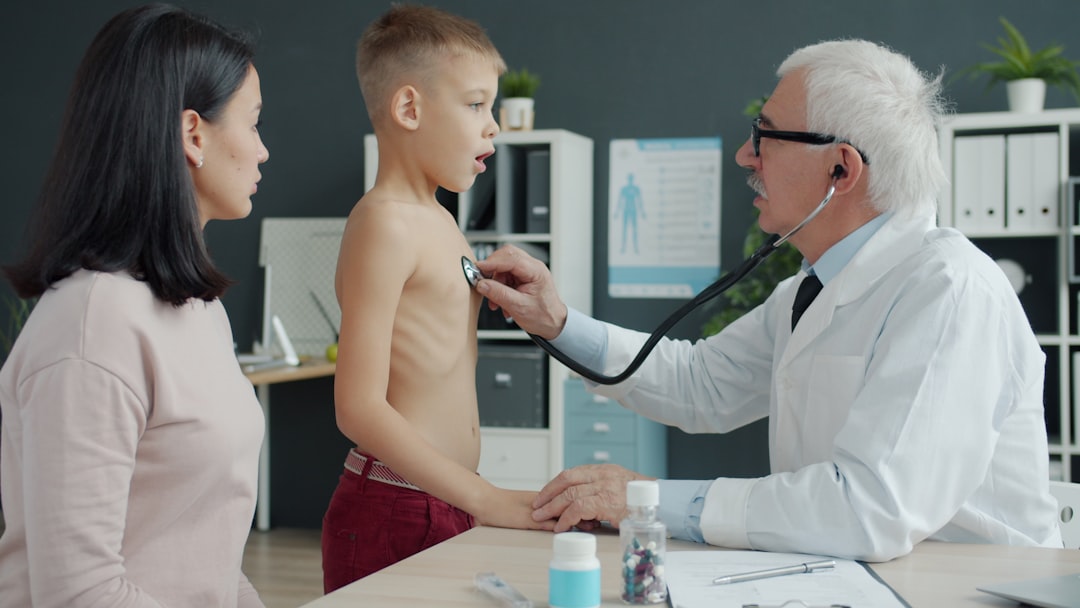
#20 A Randomized, Open-Label Trial to Assess Feasibility and Tolerability of Topical Cannabis Balms for the Treatment of Aromatase Inhibitor-Associated Musculoskeletal Syndrome (AIMSS).
Citation: Zylla Dylan et al.. A Randomized, Open-Label Trial to Assess Feasibility and Tolerability of Topical Cannabis Balms for the Treatment of Aromatase Inhibitor-Associated Musculoskeletal Syndrome (AIMSS).. Cannabis and cannabinoid research. 2026. PMID: 41467893.
Design: 5 Journal: 1 N: 0 Recency: 3 Pop: 2 Human: 1 Risk: -2
- Preclinical only
Methodological Considerations:
- Open-label design — placebo effect not excluded
Abstract: INTRODUCTION: Aromatase inhibitors (AIs) are commonly used for postmenopausal women with hormone receptor-positive breast cancer. Nearly two-thirds of women on AIs have arthralgias, joint stiffness, and/or bone pains referred to as aromatase inhibitor-induced musculoskeletal syndrome (AIMSS), leading to poor adherence. Preclinical and clinical data suggest topical cannabinoids can reduce inflammation in arthritis. MATERIALS AND METHODS: We conducted a randomized trial assessing feasibility, tolerability, and preliminary efficacy of topical cannabis for women with stage 1-3 breast cancer experiencing AIMSS. Women were randomized 1:1 to cannabidiol (CBD) vs. delta-9-tetrahydrocannabinol (THC) balms. The balm was applied three times daily to hands for 2 weeks, followed by a 2-week extension with the balm of their choice. Modified Score for the Assessment and Quantification of Chronic Rheumatoid Affectations of the Hands (M-SACRAH), brief pain inventory, and skin toxicity measures were captured weekly. RESULTS: A total of 21 women completed the study over 14 months. The mean age was 54, 86% White, 43% received adjuvant chemotherapy, and 48% reported no lifetime cannabis use. Compliance was high, with 71% continuing an additional 2 weeks and 86% of weekly surveys completed. We found 86% of participants reported improvement in M-SACRAH from baseline to week 2 with a higher percentage of the THC balm group reporting a >50% improvement (50% vs. 18%). Minor skin irritation was reported by 24%, and one patient discontinued balm due to “greasy” texture. CONCLUSIONS: Conducting a randomized trial of topical cannabis using state-approved dispensaries is feasible. Both THC and CBD balms are well tolerated. Placebo-controlled trials are needed to determine if balms can reduce AIMSS severity in breast cancer survivors.
|


Have thoughts on this? Share it: