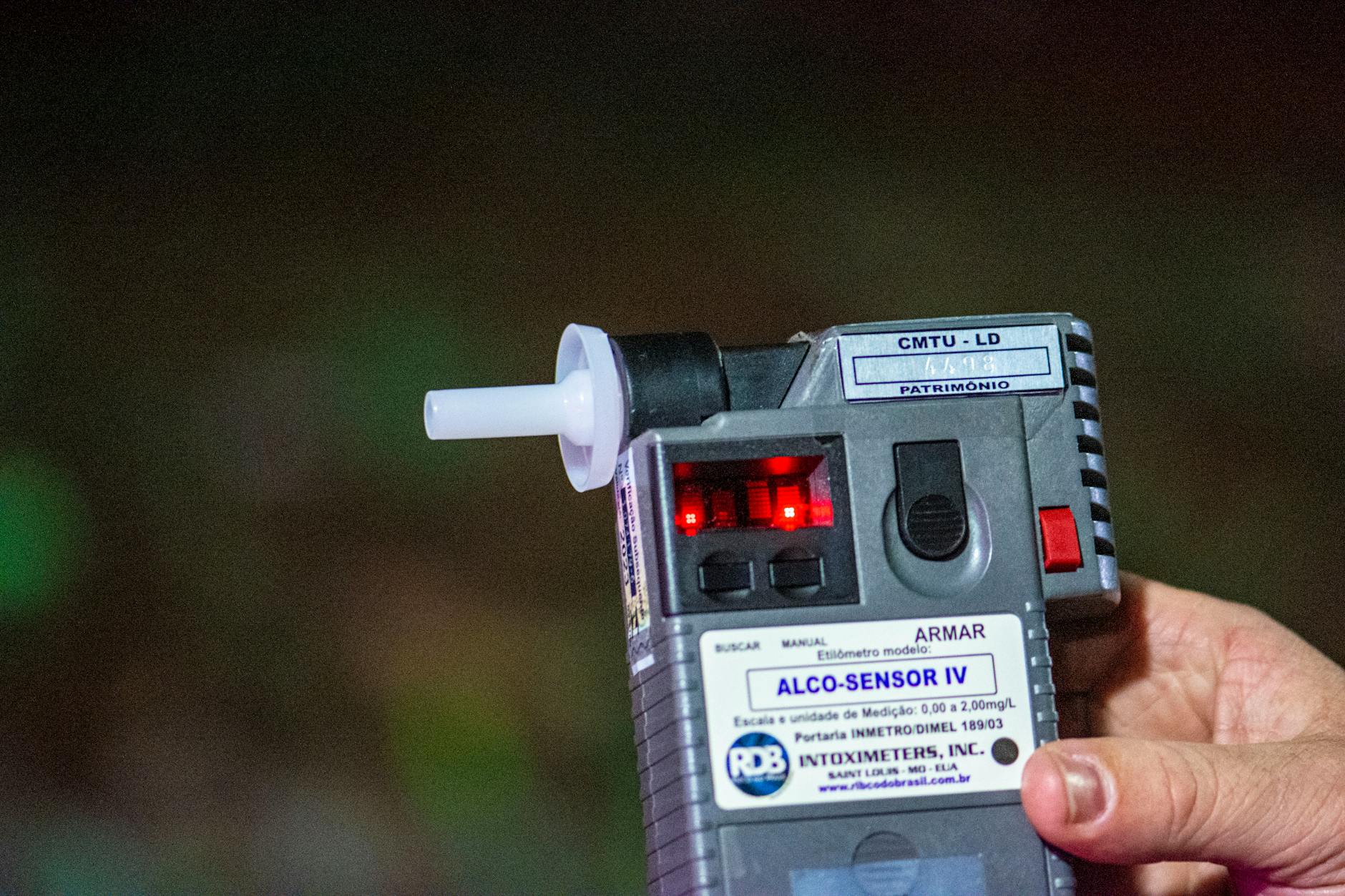
Current roadside impairment detection relies on subjective field sobriety tests and blood/urine analysis that don’t correlate well with actual impairment timing. A reliable breath-based THC detection system could provide objective, real-time measurement capabilities that better align with the narrow window of peak psychoactive effects.
Federal researchers have developed a 3D-printed breathalyzer prototype capable of detecting THC in exhaled breath, potentially offering real-time roadside testing capabilities. Unlike blood or urine tests that can detect cannabis metabolites for days or weeks after use, breath testing may better correlate with recent consumption and active impairment windows. The technology addresses a significant gap in current impairment detection methods, though validation studies correlating breath THC levels with actual functional impairment remain necessary.
“This represents meaningful progress toward objective impairment assessment, but we still lack the crucial data linking breath THC concentrations to actual driving impairment levels. Until we establish those correlations through rigorous clinical studies, any enforcement applications remain premature.”
💬 Join the Conversation
Have a question about how this applies to your situation? Ask Dr. Caplan →
Want to discuss this topic with other patients and caregivers? Join the forum discussion →
Have thoughts on this? Share it:
Table of Contents
FAQ
What is cannabis impairment testing?
Cannabis impairment testing refers to methods used to detect whether someone is currently under the influence of cannabis and functionally impaired. Unlike simple detection tests, impairment testing aims to measure actual cognitive or motor function deficits rather than just the presence of cannabis compounds.
How does THC detection work in medical settings?
THC detection typically involves testing blood, urine, saliva, or breath samples for tetrahydrocannabinol and its metabolites. Different testing methods have varying detection windows and can distinguish between recent use and past consumption, which is crucial for determining current impairment levels.
What are the patient safety concerns with cannabis use?
Patient safety concerns include impaired driving ability, reduced cognitive function, and potential interactions with other medications or medical procedures. Healthcare providers need reliable methods to assess when patients may be too impaired to safely perform certain activities or undergo treatments.
How does legal medicine address cannabis impairment?
Legal medicine establishes standardized protocols and thresholds for determining cannabis impairment in legal contexts such as DUI cases or workplace safety. This field works to develop scientifically valid testing methods that can withstand legal scrutiny and provide consistent results.
Why is accurate cannabis impairment testing clinically relevant?
Accurate testing is essential for making informed clinical decisions about patient care, ensuring safety in medical procedures, and properly advising patients about cannabis use. It also helps healthcare providers comply with legal requirements while providing appropriate medical cannabis treatments.