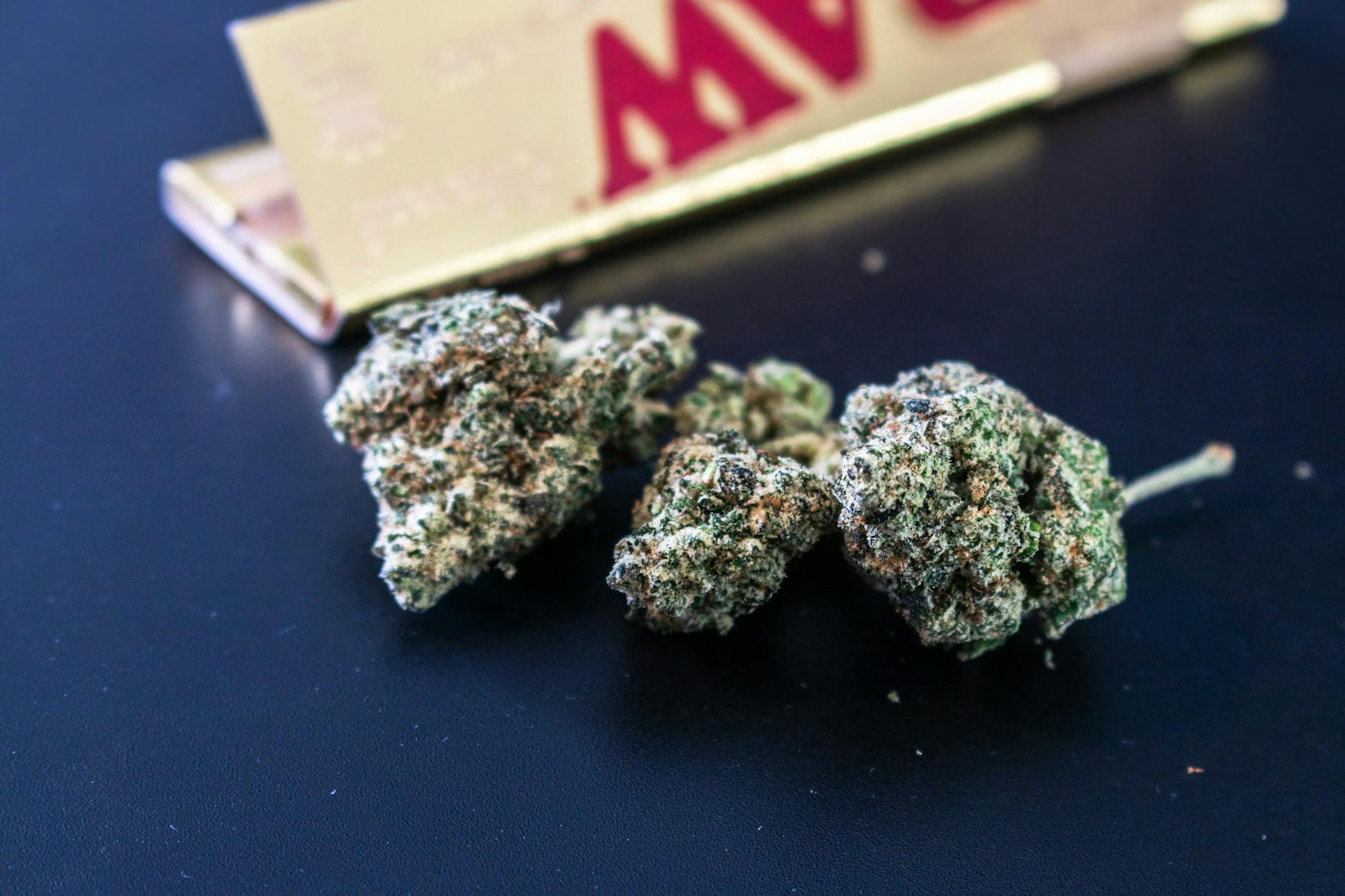
Prison drug overdoses from synthetic cannabinoids and other substances soaked into paper represent a significant public health crisis that clinicians may encounter in emergency departments, correctional healthcare settings, and post-release care. These synthetic compounds often have unpredictable potency and toxicity profiles that differ markedly from natural cannabis.
Inmates are increasingly using paper materials soaked with synthetic drugs, including synthetic cannabinoids (K2/Spice), fentanyl, and other novel psychoactive substances as a method to circumvent prison security measures. These substances can be absorbed through the skin or inhaled, leading to overdoses and deaths. The synthetic cannabinoids involved bear no pharmacological resemblance to natural cannabis compounds and frequently cause severe adverse reactions including seizures, psychosis, and cardiovascular events. Detection and treatment are complicated by the constantly evolving chemical compositions of these synthetic drugs.
“This has nothing to do with medical cannabis and everything to do with the desperation created by prohibition and inadequate mental health resources in corrections. These synthetic compounds are dangerous precisely because they’re designed to evade detection, not provide therapeutic benefit.”
💬 Join the Conversation
Have a question about how this applies to your situation? Ask Dr. Caplan →
Want to discuss this topic with other patients and caregivers? Join the forum discussion →
Have thoughts on this? Share it:
Table of Contents
FAQ
What are synthetic cannabinoids?
Synthetic cannabinoids are man-made chemicals that mimic the effects of natural cannabis compounds but are often much more potent and unpredictable. They are commonly known by street names like “K2” or “Spice” and can cause severe adverse reactions including overdose.
Why are synthetic cannabinoids particularly concerning in correctional facilities?
These substances are often smuggled into prisons because they can be difficult to detect with standard drug tests. The confined environment makes it challenging to provide immediate emergency medical care when overdoses occur, putting inmates at higher risk.
What are the signs of a synthetic cannabinoid overdose?
Symptoms can include severe agitation, rapid heart rate, high blood pressure, seizures, kidney damage, and altered mental status. Unlike natural cannabis, synthetic versions can cause life-threatening complications requiring immediate emergency medical intervention.
How do emergency physicians treat synthetic cannabinoid overdoses?
Treatment is primarily supportive care, focusing on managing symptoms like seizures, cardiovascular complications, and kidney problems. There is no specific antidote, so physicians must address each symptom as it presents while monitoring for complications.
Why is this classified as having “notable clinical interest”?
The emergence of new synthetic cannabinoid formulations and their increasing prevalence in correctional settings represents an evolving public health challenge. Healthcare providers need to stay informed about these substances to effectively recognize and treat overdoses in emergency and correctional medicine settings.