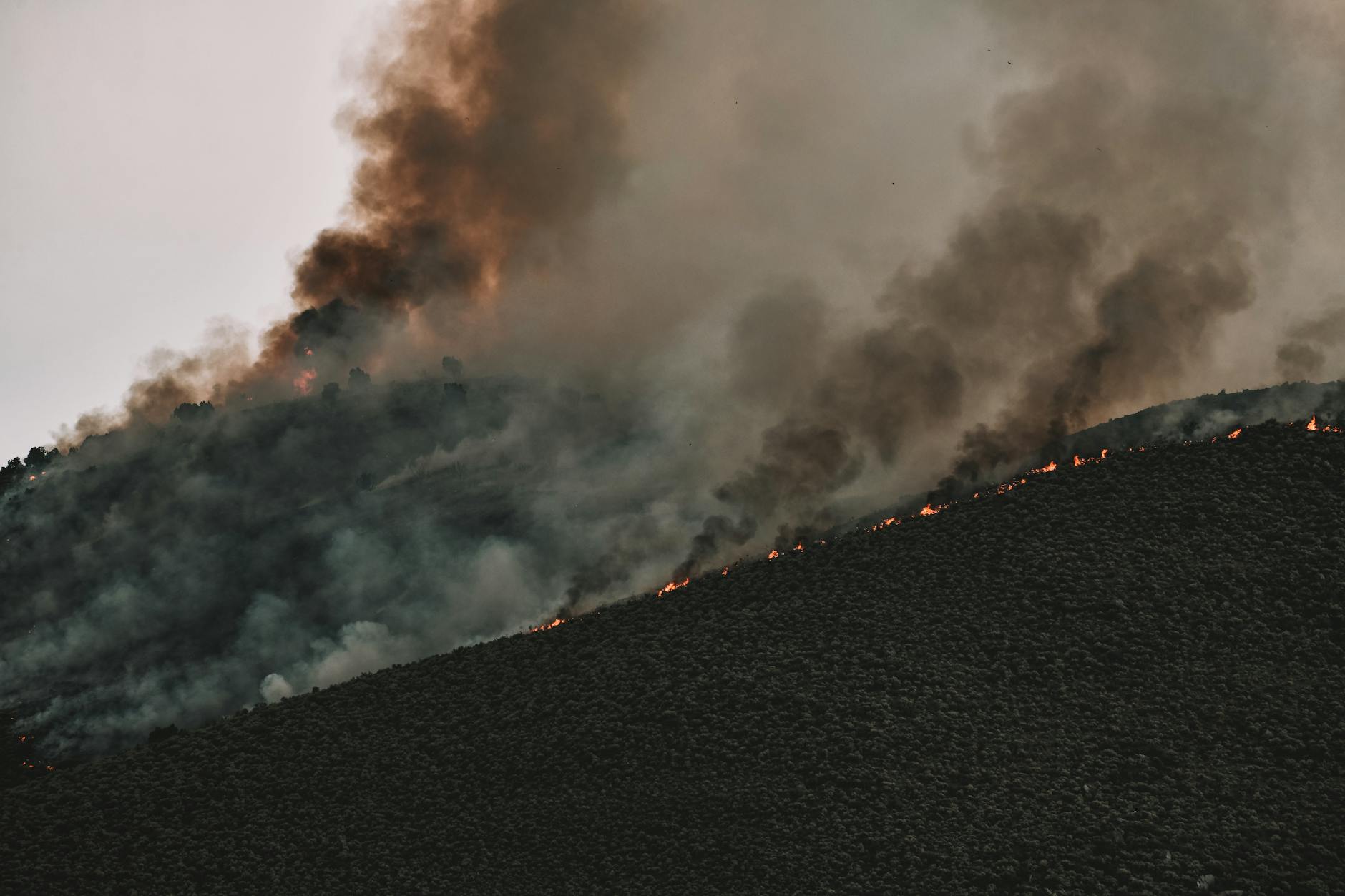
Cannabis patients with respiratory conditions need evidence-based guidance on environmental exposure risks, particularly those using inhalation methods. Understanding comparative respiratory impacts of wildfire smoke versus urban pollution informs clinical recommendations for delivery method selection and timing of use.
Wildfire smoke contains particulate matter and toxic compounds that can cause acute respiratory irritation and potentially worsen chronic lung conditions. The composition and health impacts may differ from traffic-related pollution, though both represent significant respiratory stressors. For cannabis patients, this adds another variable to consider when evaluating inhalation-based delivery methods during poor air quality periods.
“I counsel patients using inhaled cannabis to monitor air quality indices and consider temporary switches to non-inhalation methods during wildfire events. The respiratory system doesn’t distinguish between harmful particles from smoke versus cannabis combustion.”
💬 Join the Conversation
Have a question about how this applies to your situation? Ask Dr. Caplan →
Want to discuss this topic with other patients and caregivers? Join the forum discussion →
Have thoughts on this? Share it:
Table of Contents
- FAQ
- What are the main health concerns related to cannabis delivery methods?
- How does cannabis use affect respiratory health?
- What environmental health factors should cannabis users consider?
- How can patients manage risks associated with medical cannabis use?
- What should clinicians know about cannabis delivery method recommendations?
FAQ
Different cannabis delivery methods pose varying risks to respiratory health, with smoking being the most concerning for lung function. Alternative methods like vaporization, edibles, and tinctures may offer safer options for medical cannabis patients.
How does cannabis use affect respiratory health?
Cannabis smoking can cause respiratory irritation, chronic bronchitis symptoms, and reduced lung function similar to tobacco. However, the specific long-term effects may differ from tobacco due to different usage patterns and chemical compositions.
What environmental health factors should cannabis users consider?
Cannabis cultivation and consumption can impact indoor air quality, particularly in enclosed spaces. Secondhand cannabis smoke exposure and proper ventilation are important considerations for protecting non-users and maintaining healthy environments.
How can patients manage risks associated with medical cannabis use?
Risk management strategies include choosing safer delivery methods, proper dosing, regular health monitoring, and discussing usage patterns with healthcare providers. Patients should weigh therapeutic benefits against potential health risks based on their individual medical conditions.
What should clinicians know about cannabis delivery method recommendations?
Clinicians should stay informed about emerging research on different cannabis delivery methods and their health implications. Understanding the risk-benefit profile of various consumption methods helps in making appropriate recommendations for medical cannabis patients.