




























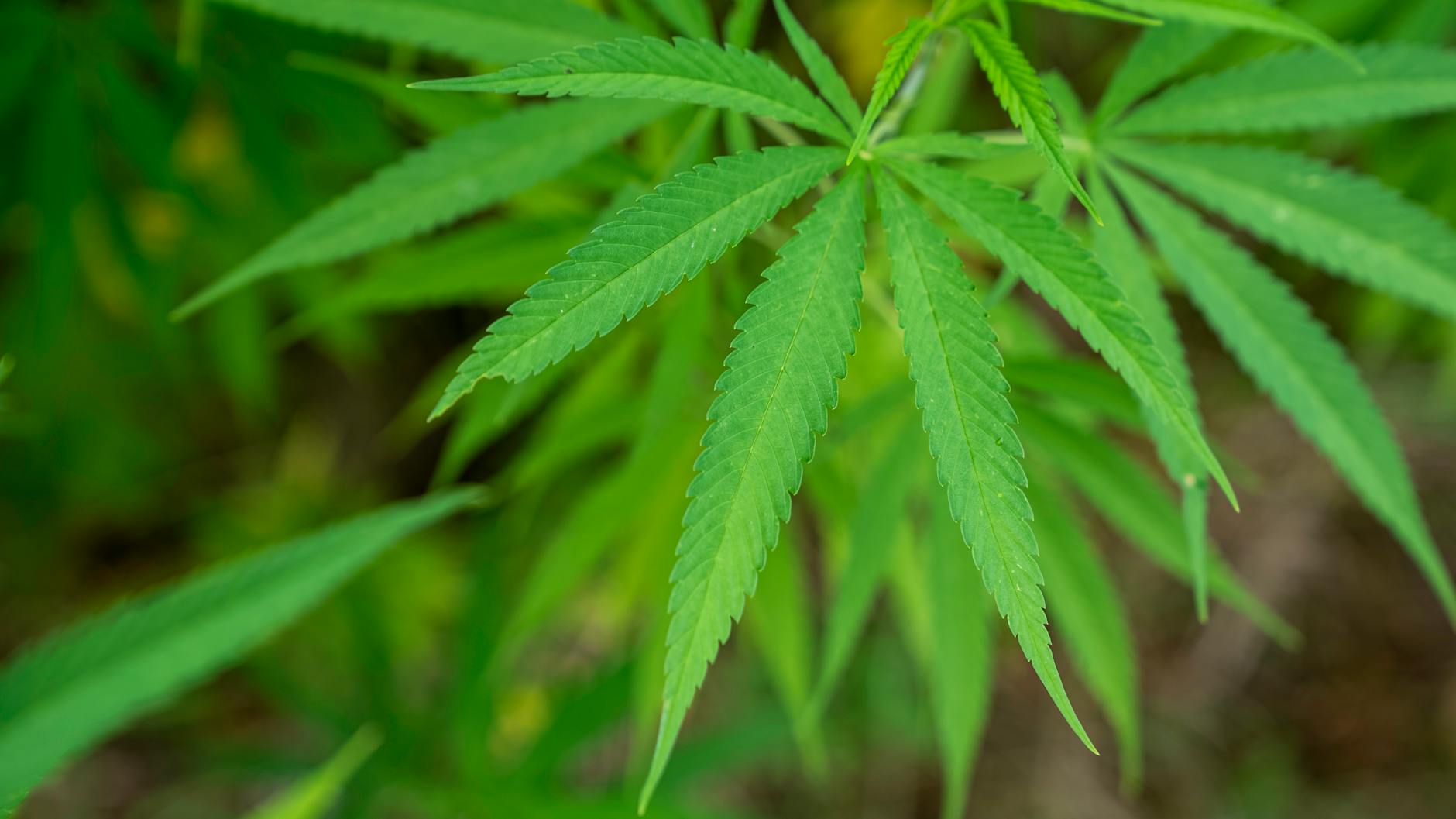

Impaired episodic memory formation during acute cannabis intoxication has direct implications for patient counseling and safety protocols. Clinicians need evidence-based guidance on functional impairment timelines to advise patients appropriately about activities requiring intact memory formation.
Washington State University researchers documented acute impairment in episodic memory formation during cannabis intoxication, though the specific methodology, duration of impairment, and dose-response relationships are not detailed in this summary. Episodic memory involves the encoding of personal experiences and contextual details, a cognitive function critical for learning and daily functioning. The finding aligns with established knowledge that THC affects hippocampal function, though the clinical significance depends on magnitude and persistence of the effect.
“Memory impairment during acute intoxication isn’t surprising given cannabis’s known effects on hippocampal function, but what matters clinically is quantifying the dose-response relationship and recovery timeline. Patients need concrete guidance on when their memory formation returns to baseline for safety-critical decisions.”
💬 Join the Conversation
Have a question about how this applies to your situation? Ask Dr. Caplan →
Want to discuss this topic with other patients and caregivers? Join the forum discussion →
Have thoughts on this? Share it:
Table of Contents
- FAQ
- What cognitive effects does cannabis have on users?
- How does cannabis specifically impact memory function?
- What are the acute cognitive effects of cannabis use?
- What patient safety concerns should healthcare providers consider regarding cannabis and cognition?
- Are the cognitive effects of cannabis reversible?
- Read next
FAQ
What cognitive effects does cannabis have on users?
Cannabis can affect various aspects of cognitive function, including memory, attention, and processing speed. These effects are particularly notable during acute use and may vary based on dosage, frequency of use, and individual factors.
How does cannabis specifically impact memory function?
Cannabis use can impair both short-term and working memory, making it difficult to retain and process new information. These memory effects are most pronounced during intoxication but may persist with heavy, chronic use.
What are the acute cognitive effects of cannabis use?
Immediate effects include impaired concentration, slower reaction times, and difficulty with complex tasks requiring sustained attention. These acute effects typically begin within minutes of use and can last several hours depending on the method of consumption.
What patient safety concerns should healthcare providers consider regarding cannabis and cognition?
Providers should counsel patients about impaired driving, workplace safety, and the potential for accidents during cannabis intoxication. Patients should be advised to avoid operating machinery or making important decisions while under the influence.
Are the cognitive effects of cannabis reversible?
Most acute cognitive impairments resolve as cannabis is metabolized from the system. However, some studies suggest that heavy, long-term use may lead to persistent cognitive changes, though more research is needed to fully understand long-term effects.