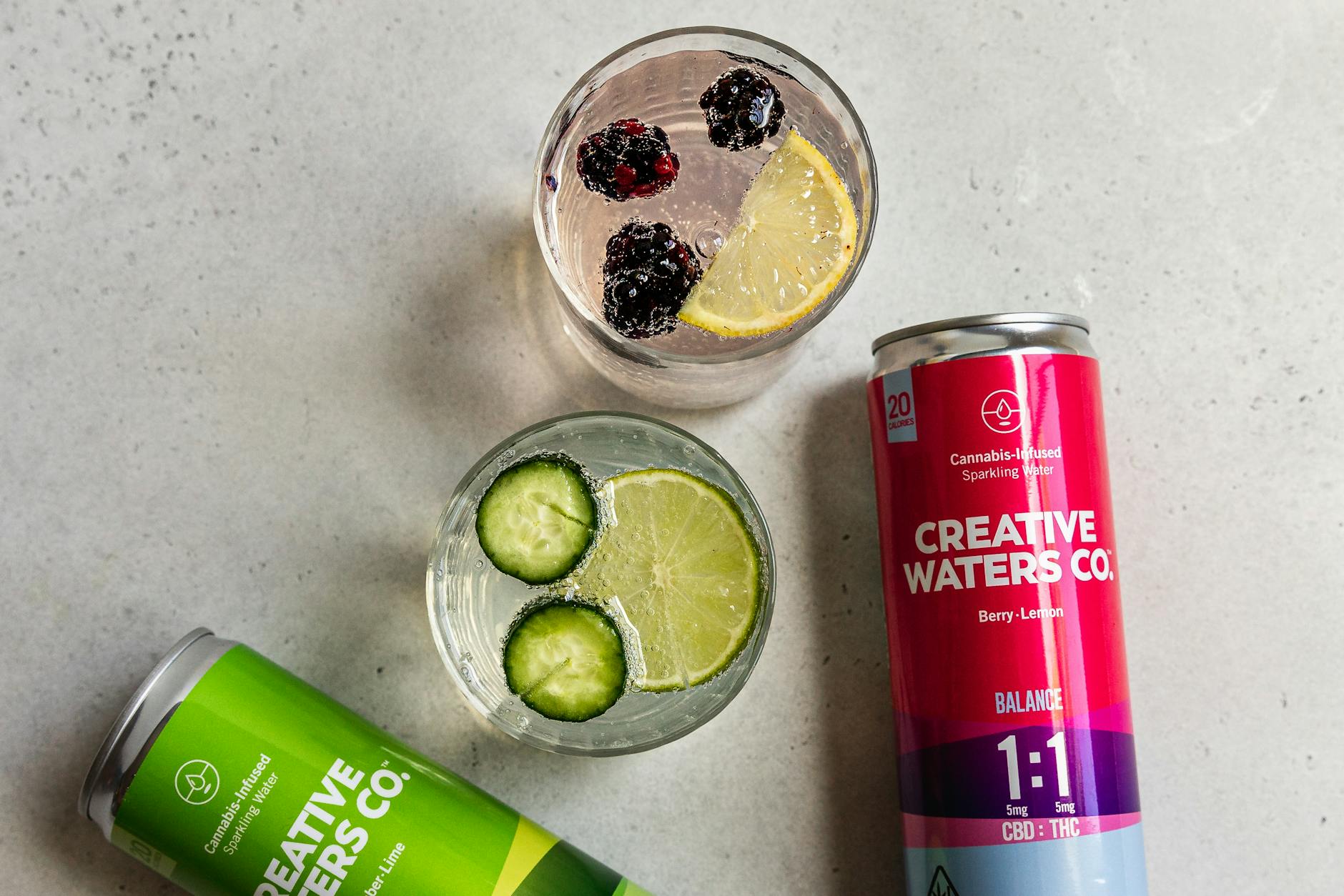
THC beverages represent a rapidly growing consumption method with distinct pharmacokinetic properties that affect clinical outcomes. The regulatory uncertainty around these products directly impacts product consistency, dosing accuracy, and patient safety protocols that clinicians must navigate.
THC-infused beverages are gaining market share in legal states, but face regulatory complexity between state approval and federal scheduling concerns. These liquid formulations typically offer faster onset than traditional edibles due to sublingual absorption, with effects beginning in 15-30 minutes rather than 1-2 hours. However, dosing variability, product standardization, and quality control remain significant clinical concerns across different manufacturers and regulatory frameworks.
“I advise patients that THC beverages can be useful for controlled dosing, but the regulatory patchwork means product quality varies dramatically. Start low, go slow applies even more here — the faster onset can catch patients off guard.”
💬 Join the Conversation
Have a question about how this applies to your situation? Ask Dr. Caplan →
Want to discuss this topic with other patients and caregivers? Join the forum discussion →
Have thoughts on this? Share it:
Table of Contents
FAQ
What makes this cannabis news clinically relevant?
This article has been rated #82 for high clinical relevance, indicating it contains strong evidence or policy information with direct clinical implications. The content likely provides actionable insights for healthcare providers working with cannabis patients.
What specific cannabis topics does this article cover?
Based on the article tags, this piece focuses on edibles, dosing guidelines, policy updates, and product safety considerations. These are key areas that directly impact patient care and clinical decision-making.
Why are edibles particularly important for clinical practice?
Edibles present unique dosing challenges due to delayed onset and variable absorption rates compared to other cannabis delivery methods. Proper understanding of edible pharmacokinetics is crucial for safe and effective patient treatment.
How do dosing considerations affect patient safety?
Accurate dosing is essential to minimize adverse effects and optimize therapeutic outcomes in cannabis patients. Clinical guidance on proper dosing helps prevent overconsumption and ensures patients receive appropriate therapeutic benefits.
What role does policy play in clinical cannabis use?
Cannabis policy directly impacts how healthcare providers can recommend, monitor, and manage patients using cannabis therapeutically. Staying current with policy changes ensures compliant and effective clinical practice.