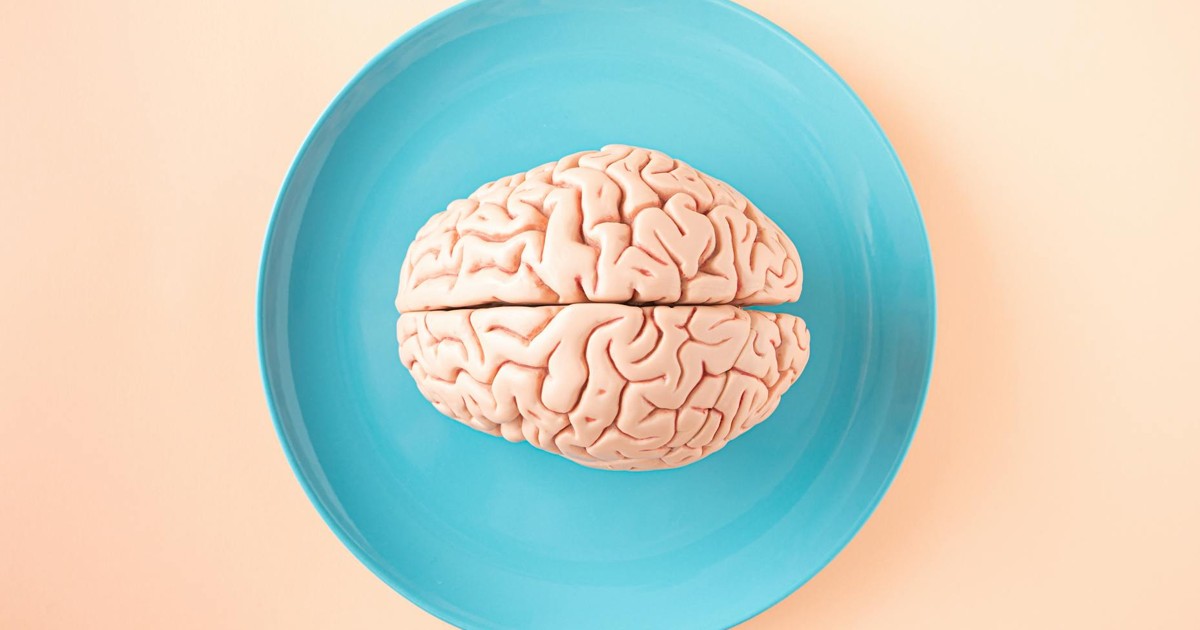
The Brain Science Behind the Munchies – Nautilus Magazine
Research into the neurological mechanisms underlying cannabis-induced appetite stimulation is advancing understanding of how THC influences hunger signaling in the brain. These findings have clinical relevance for patients receiving cannabinoid therapy for conditions such as cachexia or chemotherapy-related anorexia, where more precise dosing guidance may improve treatment outcomes.
Why this matters
Understanding the neurobiological mechanisms driving THC-induced appetite stimulation provides a more rational basis for dosing decisions in patients with cachexia, cancer-related anorexia, and chemotherapy-induced nausea where caloric intake is clinically critical. Emerging data on hypothalamic cannabinoid receptor activity and orexigenic signaling pathways may help clinicians predict therapeutic windows and minimize adverse effects at higher doses. This mechanistic clarity is necessary for moving cannabis-based appetite interventions beyond empirical dosing toward protocol-driven, reproducible clinical practice.
Dr. Caplan take
“Understanding why THC drives appetite at the neurological level is not a curiosity, it is a clinical tool. When I can explain to a patient undergoing chemotherapy exactly how cannabinoids interact with hypothalamic circuits to restore appetite signaling, we move from anecdote to mechanism, and that changes how we dose, how we time administration, and how we set expectations. This is the kind of science that makes cannabis medicine more precise.”
#Cannabis #CannabisMedicine #ClinicalCannabis #Research #Neurology #Dosing #THC #Safety