











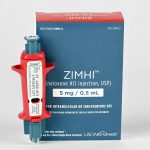















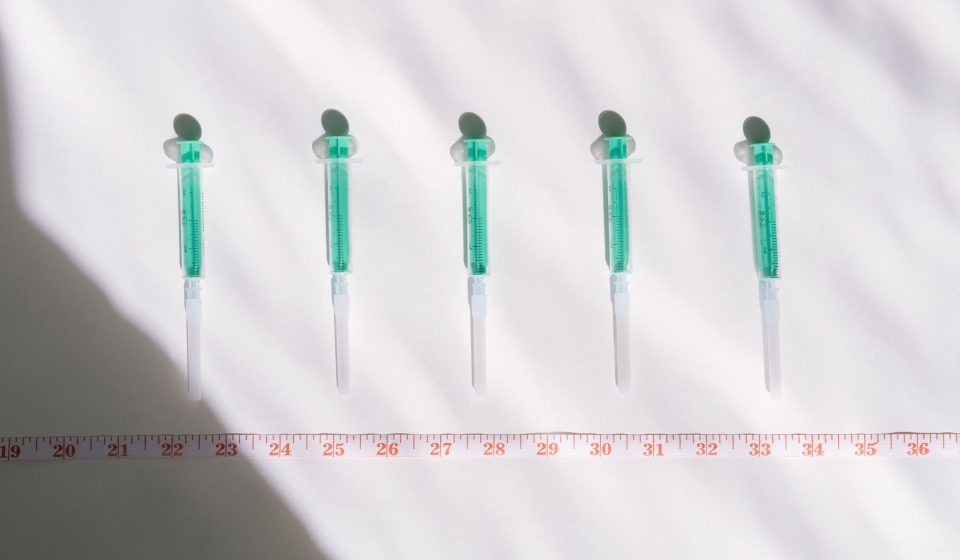

Tirzepatide microdosing refers to the administration of tirzepatide at doses substantially below the FDA-approved therapeutic range, typically starting at 1.25 mg or lower compared to the standard initiation of 2.5 mg for diabetes management and weight loss. The clinical evidence base for microdosing remains limited, as most efficacy and safety data derive from randomized controlled trials using approved dosing protocols. Individuals pursuing microdosing strategies typically report motivations including cost reduction, mitigation of gastrointestinal side effects during titration, or achievement of modest weight loss with minimal appetite suppression. The mechanistic rationale centers on tirzepatide’s dual GLP-1 and GIP receptor agonism, whereby even subtherapeutic doses may produce metabolic effects through receptor engagement, though the degree of receptor occupancy and clinical significance at such low exposures remain incompletely characterized.
From a prescribing perspective, clinicians should recognize that microdosing occurs predominantly in off-label contexts and lacks formal clinical trial validation for efficacy or safety. The pharmacokinetics of tirzepatide demonstrate dose-dependent exposure, and doses below 2.5 mg fall outside established pharmacodynamic parameters. Gastrointestinal tolerability generally improves with standard titration protocols, and rushing to lower doses may reflect inadequate patient counseling rather than true intolerance. Additionally, subtherapeutic dosing may create false expectations regarding weight loss magnitude or glycemic improvement while potentially delaying patients from reaching therapeutically effective exposures necessary for documented clinical benefit.
Dealing with a condition like this?
Dr. Caplan has worked with 30,000+ patients on conditions like this. A consultation starts with your specific situation — not a generic protocol.
Book a consultation →Prescribers should counsel patients that tirzepatide therapy, when indicated, should follow FDA-approved dosing schedules with appropriate titration to therapeutic targets. For patients with genuine intolerance to standard initiation doses, discussion of gastrointestinal management strategies, dietary modifications, and slower titration protocols represents evidence-based practice rather than microdosing experimentation. The cost and access concerns driving some patients toward microdosing warrant separate clinical attention and advocacy but should not redirect prescribing away from established efficacy parameters.
💬 Join the Conversation
Have a question about how this applies to your situation? Ask Dr. Caplan →
Want to discuss this topic with other patients and caregivers? Join the forum discussion →
Have thoughts on this? Share it:


Table of Contents
- FAQ
- What is microdosing tirzepatide?
- Is microdosing tirzepatide safe?
- Why would someone microdose tirzepatide instead of using the standard dose?
- Can microdosing tirzepatide still help with weight loss?
- What are the risks of microdosing tirzepatide?
- Should I talk to my doctor before trying microdosing?
- What does the FDA say about using tirzepatide at non-approved doses?
- Are there approved alternatives if I’m concerned about standard tirzepatide doses?
- What should I do if I’ve already been microdosing tirzepatide?
- Will microdosing tirzepatide give me the same results as standard dosing?
- Read next
FAQ
What is microdosing tirzepatide?
Microdosing tirzepatide means taking lower doses of the medication than what the FDA has approved for standard treatment. Some people use doses below the established therapeutic range, though this approach has not been formally studied or approved by the FDA.
Is microdosing tirzepatide safe?
Microdosing tirzepatide has not been formally tested for safety in clinical trials, so we don’t have reliable data on its effects or side effects at these lower doses. Using doses outside of FDA-approved ranges means you won’t have the same medical oversight and monitoring that comes with standard treatment.
Why would someone microdose tirzepatide instead of using the standard dose?
People may attempt microdosing to minimize side effects, reduce cost, or test their tolerance before moving to a standard dose. However, microdosing remains experimental and unapproved, so your doctor cannot reliably predict how your body will respond.
Can microdosing tirzepatide still help with weight loss?
At this time, there is no clinical evidence showing that tirzepatide at microdoses produces meaningful weight loss results. Standard doses are what have been proven effective in FDA-approved trials.
What are the risks of microdosing tirzepatide?
The main risks include unpredictable blood sugar control in diabetic patients, unknown side effects not seen in standard dosing trials, and lack of medical monitoring if you’re not working with a doctor. Additionally, you may not achieve the therapeutic benefits you’re seeking.
Should I talk to my doctor before trying microdosing?
Yes, absolutely. Your doctor needs to know about any medication you’re considering, including experimental dosing approaches, so they can help you understand the risks and monitor your health safely. Never start any form of tirzepatide without medical supervision.
What does the FDA say about using tirzepatide at non-approved doses?
The FDA has only approved specific tirzepatide doses for type 2 diabetes and chronic weight management after rigorous testing proved their safety and effectiveness. Using unapproved doses falls outside regulatory guidelines and means you won’t have the same protections.
Are there approved alternatives if I’m concerned about standard tirzepatide doses?
Yes, there are other FDA-approved GLP-1 medications and weight management options with different dosing schedules and side effect profiles that your doctor can discuss with you. Your physician can help find an approved approach that matches your needs and tolerance.
What should I do if I’ve already been microdosing tirzepatide?
Contact your doctor right away to discuss what you’ve been taking, how much, and for how long so they can assess your current health status and help you transition to a medically supervised, approved treatment plan. Your doctor needs this information to ensure your safety going forward.
Will microdosing tirzepatide give me the same results as standard dosing?
No clinical evidence supports that microdosing produces the same weight loss or blood sugar control as standard approved doses. Standard doses are based on years of research showing what actually works for patients.

