













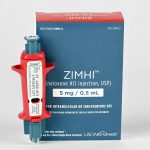




















Semaglutide and tirzepatide are both FDA-approved medications for weight management in adults with obesity or overweight status accompanied by at least one weight-related comorbidity. Semaglutide is a glucagon-like peptide-1 receptor agonist that functions through GLP-1 pathway activation to reduce appetite and increase satiety. Tirzepatide is a dual glucose-dependent insulinotropic polypeptide and GLP-1 receptor agonist that activates both GIP and GLP-1 pathways simultaneously. Both agents have demonstrated significant efficacy in randomized controlled trials for weight reduction, though they differ in their pharmacological mechanisms and clinical profiles.
The comparative efficacy data show tirzepatide produces numerically greater weight loss than semaglutide in head-to-head comparisons, with tirzepatide achieving mean weight reductions ranging from 20 to 22 percent of baseline body weight at maximum approved doses, while semaglutide achieves approximately 15 to 17 percent weight reduction. Both medications improve cardiometabolic parameters including glycemic control, blood pressure, and lipid profiles in patients with obesity. Gastrointestinal side effects including nausea, vomiting, and diarrhea occur with both agents but may be dose-limiting in some patients. Tirzepatide’s dual mechanism may provide additional metabolic advantages, though individual patient response variability is substantial.
Dealing with a condition like this?
Dr. Caplan has worked with 30,000+ patients on conditions like this. A consultation starts with your specific situation — not a generic protocol.
Book a consultation →Prescriber selection between these agents should consider individual patient factors including baseline glycemic status, gastrointestinal tolerance, comorbidities, medication interactions, and response to dose titration protocols. Both represent evidence-based pharmacological options for weight management when combined with lifestyle modification in appropriate candidates. Ongoing monitoring for medication tolerability and glycemic effects remains essential regardless of which agent is selected.
💬 Join the Conversation
Have a question about how this applies to your situation? Ask Dr. Caplan →
Want to discuss this topic with other patients and caregivers? Join the forum discussion →
Have thoughts on this? Share it:


Table of Contents
- FAQ
- What is the difference between semaglutide and tirzepatide?
- Are both semaglutide and tirzepatide approved by the FDA for weight loss?
- Who is eligible to use these weight loss medications?
- How do GLP-1 medications like semaglutide work?
- How does tirzepatide work differently than semaglutide?
- Will I lose weight faster with one medication over the other?
- How long do I need to take these medications?
- What are common side effects of these weight loss medications?
- Can I take these medications if I have type 2 diabetes?
- How do I know which medication is right for me?
- Read next
FAQ
What is the difference between semaglutide and tirzepatide?
Both medications work to help with weight loss, but they work differently in your body. Semaglutide targets one hormone system, while tirzepatide targets two hormone systems, which may affect how well each works for different people.
Are both semaglutide and tirzepatide approved by the FDA for weight loss?
Yes, both medications are FDA-approved specifically for weight management in adults who have obesity or are overweight with a weight-related health condition. This means the FDA has reviewed safety and effectiveness data for both drugs.
Who is eligible to use these weight loss medications?
These medications are approved for adults with obesity or those who are overweight and have a weight-related condition like high blood pressure, type 2 diabetes, or high cholesterol. Your doctor will determine if you meet the criteria based on your individual health situation.
How do GLP-1 medications like semaglutide work?
Semaglutide works by mimicking a natural hormone in your body that helps control appetite and blood sugar levels. This helps reduce hunger and makes you feel fuller longer, which typically leads to eating less.
How does tirzepatide work differently than semaglutide?
Tirzepatide activates two different hormone pathways instead of one, which may provide additional effects on appetite control and metabolism. Some research suggests this dual action may lead to greater weight loss for some patients.
Will I lose weight faster with one medication over the other?
Weight loss results vary between individuals based on factors like starting weight, lifestyle, and how your body responds to the medication. Your doctor can discuss what the studies show and help determine which option might work best for you.
How long do I need to take these medications?
These are typically ongoing medications that you continue taking to maintain weight loss benefits. If you stop taking the medication, you may regain weight, so your doctor will help you determine the right long-term plan for your situation.
What are common side effects of these weight loss medications?
The most common side effects include nausea, vomiting, and diarrhea, especially when starting or increasing doses. These side effects usually improve over time as your body adjusts to the medication.
Can I take these medications if I have type 2 diabetes?
Yes, both medications can be used in people with type 2 diabetes and may actually help improve blood sugar control. In fact, semaglutide and similar medications were originally developed for diabetes before being approved for weight management.
How do I know which medication is right for me?
Your doctor will consider your medical history, other health conditions, previous weight loss attempts, and how your body might respond to each medication. The choice between semaglutide and tirzepatide is individualized based on your specific needs and health profile.

