






















#65 Notable Clinical Interest
Emerging findings or policy developments worth monitoring closely.
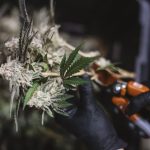
A real-world study of LEVEL’s Sleep Protab, a cannabis-derived sleep aid product, demonstrated improvements in sleep quality and next-morning functioning over a 29-day period in an independent patient cohort. This evidence adds to the growing body of real-world data supporting cannabinoid products for sleep disorders, which remains an area of significant patient demand and clinical interest given the limitations and side effects of traditional sleep medications. The independent nature of this study enhances credibility compared to manufacturer-sponsored research, providing clinicians with more objective information about product efficacy and tolerability in actual use conditions. Since sleep disturbances are prevalent across multiple patient populations and cannabis is increasingly available through regulated channels, clinicians may encounter more patients inquiring about or using cannabinoid-based sleep aids as alternatives to pharmaceutical options. Clinicians should consider requesting and reviewing real-world evidence like this alongside controlled clinical trials when counseling patients about cannabis for insomnia, while remaining aware of individual variability in response and the need for proper patient selection and monitoring.
“What we’re seeing with formulated cannabis products like this is that when the ratio and dosing are standardized, we can actually track outcomes in ways that were impossible in the era of smoked flower, which means patients finally get consistent therapeutic results instead of the trial-and-error approach that’s defined cannabis medicine for decades.”
? While cannabis products marketed for sleep are increasingly available to patients, the limited peer-reviewed evidence on specific formulations and dosing makes independent evaluation challenging in clinical practice. This real-world study of a branded cannabinoid sleep product shows promise for subjective sleep quality, but the short 29-day timeframe, potential selection bias in participants who chose to use the product, and lack of details on active ingredients and standardization limit generalizability to your broader patient population. The absence of comparison to established sleep hygiene interventions or standard pharmacotherapies makes it difficult to position this product within current evidence-based sleep management algorithms. Given that many patients are already using cannabis for sleep regardless of clinical guidance, inquiring about use and discussing the gap between marketing claims and published evidence may help contextualize expectations and identify potential drug interactions or underlying sleep disorders requiring formal evaluation. Until larger, controlled trials establish safety and efficacy across diverse patient populations, cannabis sleep aids remain adj
This topic comes up in consultations often.
Dr. Caplan offers clinical context on evolving cannabis policy and its real-world implications for patients.
Book a consultation →💬 Join the Conversation
Have a question about how this applies to your situation? Ask Dr. Caplan →
Want to discuss this topic with other patients and caregivers? Join the forum discussion →
Have thoughts on this? Share it: