































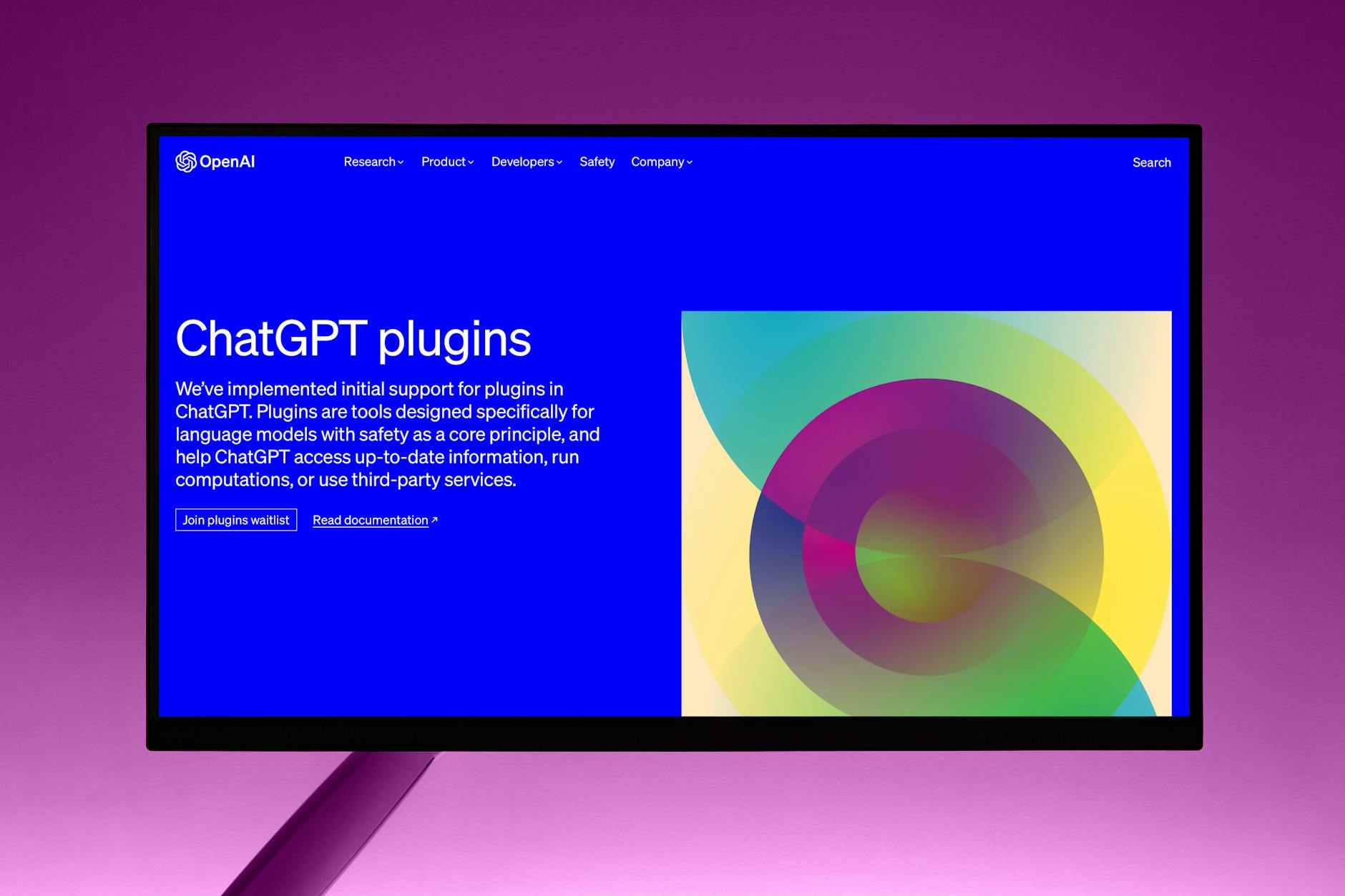

The partnership between Novo Nordisk and OpenAI to accelerate drug discovery signals a near-term pipeline expansion in the GLP-1 and metabolic medicine space, which has direct implications for family medicine clinicians who will be the primary prescribers of any resulting agents. As AI-driven platforms shorten development timelines, clinicians managing patients on current GLP-1 therapies should anticipate more frequent formulary updates, new indication approvals, and evolving comparative efficacy data that will require ongoing clinical reassessment. The persistent Medicare coverage gaps for GLP-1 medications like Ozempic remain a critical access barrier that family physicians must actively navigate through prior authorization strategies and patient advocacy while the policy landscape continues to lag behind therapeutic innovation.
The available abstract does not contain sufficient clinical data, study methodology, or quantitative findings to support a rigorous physician-level summary. The source appears to be a news article covering a corporate partnership between Novo Nordisk and OpenAI aimed at accelerating drug discovery, rather than a peer-reviewed clinical study or trial report.
To generate the type of evidence-based clinical summary requested, a full-text source containing study design, patient population, endpoints, and outcome data is required. If you have access to a primary research article, clinical trial publication, or detailed conference presentation related to this partnership or its outputs, please share that content and a complete summary can be produced from it.
Dealing with a condition like this?
Dr. Caplan has worked with 30,000+ patients on conditions like this. A consultation starts with your specific situation — not a generic protocol.
Book a consultation →Novo Nordisk, the manufacturer of Wegovy and Ozempic, has entered a partnership with OpenAI to accelerate drug discovery and development using artificial intelligence. This collaboration reflects a broader industry trend of applying large-scale AI tools to identify new therapeutic targets and streamline the pipeline for cardiometabolic and obesity-related treatments. While this partnership does not change current clinical protocols or available medications, it signals that the GLP-1 landscape may expand meaningfully in the coming years. For family medicine practices managing patients on GLP-1 therapy today, it remains important to proactively address cost and coverage questions, particularly for Medicare-eligible patients, as insurance gaps continue to be a primary barrier to treatment access and adherence.
“The partnership between Novo Nordisk and OpenAI signals something I have been anticipating for years: the convergence of large-scale biological data and machine learning to accelerate drug discovery in metabolic medicine. What excites me most as a clinician is the potential to move beyond the current GLP-1 class and identify novel molecular targets that address the full complexity of metabolic dysfunction, not just appetite regulation. In my practice, I already spend considerable time helping patients understand why semaglutide works differently for different people, and better computational modeling of individual metabolic phenotypes could eventually make that conversation far more precise and personalized. If this collaboration shortens the timeline from target identification to clinical availability, the patients sitting across from me today asking about access and affordability may actually live to benefit from the next generation of these therapies.”
💬 Join the Conversation
Have a question about how this applies to your situation? Ask Dr. Caplan →
Want to discuss this topic with other patients and caregivers? Join the forum discussion →
Have thoughts on this? Share it:


Table of Contents
- FAQ
- What is a GLP-1 medication?
- What is the difference between Ozempic and Wegovy?
- Does Medicare cover GLP-1 medications like Ozempic or Wegovy?
- Why are GLP-1 medications so expensive?
- How does Wegovy work for weight loss?
- Are GLP-1 medications safe for long-term use?
- What role is artificial intelligence playing in developing new GLP-1 or weight loss drugs?
- Who is a good candidate for GLP-1 therapy?
- What are the most common side effects of GLP-1 medications?
- Will I regain weight if I stop taking a GLP-1 medication?
- Read next
FAQ
What is a GLP-1 medication?
GLP-1 medications are a class of drugs that mimic a hormone your body naturally produces called glucagon-like peptide-1. They help regulate blood sugar, reduce appetite, and slow digestion, making them effective for treating type 2 diabetes and obesity.
What is the difference between Ozempic and Wegovy?
Both Ozempic and Wegovy contain the same active ingredient, semaglutide, but they are approved for different purposes. Ozempic is FDA-approved for type 2 diabetes management, while Wegovy is FDA-approved specifically for chronic weight management in adults with obesity or overweight with a weight-related condition.
Does Medicare cover GLP-1 medications like Ozempic or Wegovy?
Medicare Part D covers Ozempic when it is prescribed for type 2 diabetes, but coverage for Wegovy used solely for weight loss has historically been limited. Coverage rules are evolving, and patients should contact their specific plan directly to confirm current benefits.
Why are GLP-1 medications so expensive?
GLP-1 medications are brand-name biologics with no current generic alternatives, which contributes significantly to their high cost. Manufacturer pricing, insurance formulary decisions, and pharmacy benefit structures all influence what a patient ultimately pays out of pocket.
How does Wegovy work for weight loss?
Wegovy works by activating GLP-1 receptors in the brain that regulate hunger and satiety, helping patients feel full sooner and eat less overall. It also slows the rate at which the stomach empties, which further reduces appetite and food intake over time.
Are GLP-1 medications safe for long-term use?
Clinical trials have demonstrated that semaglutide and other GLP-1 receptor agonists are generally safe for long-term use when monitored by a physician. Like all medications, they carry potential side effects and risks that should be reviewed with your doctor based on your individual health history.
What role is artificial intelligence playing in developing new GLP-1 or weight loss drugs?
Companies including Novo Nordisk, the maker of Wegovy and Ozempic, are partnering with AI organizations like OpenAI to accelerate the discovery and development of new medications. AI tools can analyze vast biological datasets to identify promising drug candidates more quickly than traditional research methods alone.
Who is a good candidate for GLP-1 therapy?
GLP-1 therapy is generally appropriate for adults with type 2 diabetes, and for those with a BMI of 30 or greater, or a BMI of 27 or greater with at least one weight-related health condition. A physician should evaluate your full medical history, current medications, and health goals before starting treatment.
What are the most common side effects of GLP-1 medications?
The most commonly reported side effects include nausea, vomiting, diarrhea, and constipation, particularly when starting the medication or increasing the dose. These symptoms often improve over time as the body adjusts, and your doctor can help manage them through gradual dose escalation.
Will I regain weight if I stop taking a GLP-1 medication?
Research shows that many patients do regain a significant portion of lost weight after stopping GLP-1 therapy because the medication is treating an underlying chronic condition, not curing it. Your physician can help you develop a long-term plan that addresses lifestyle, nutrition, and medication continuity to support sustained results.