




























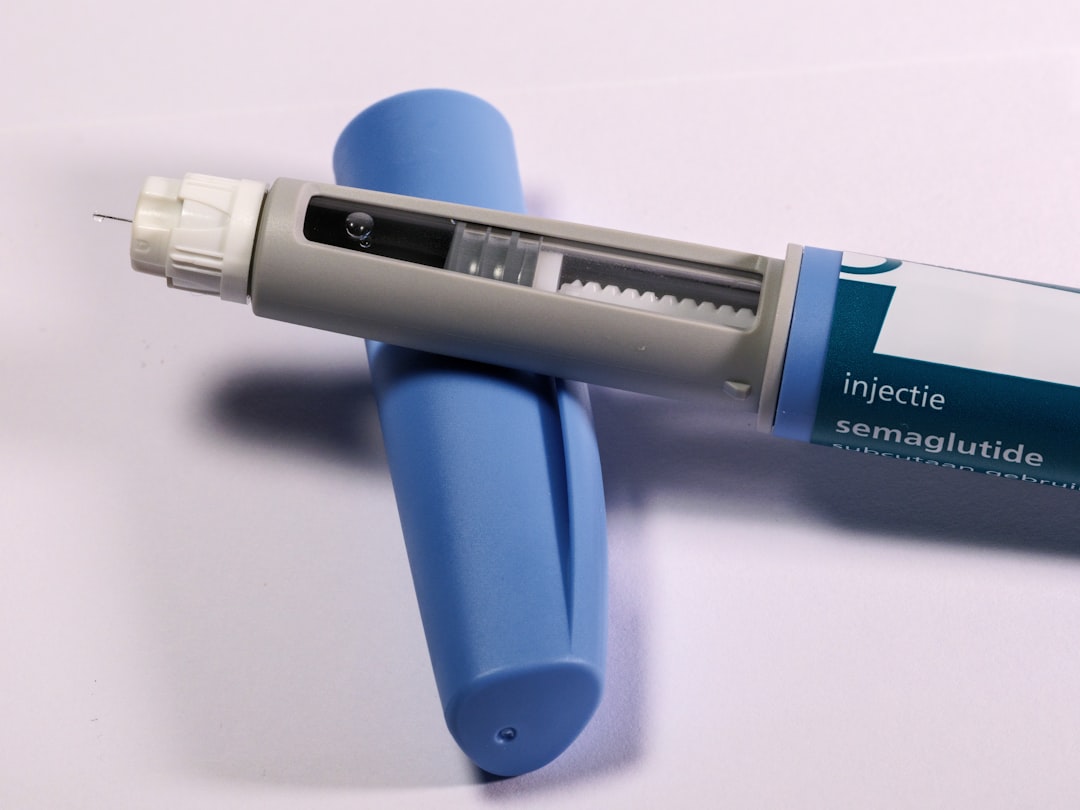

Compounded GLP-1 formulations lack FDA approval as finished products and operate outside the standardized manufacturing, stability, and bioavailability controls that govern branded alternatives, creating variable clinical efficacy and potential safety gaps that family physicians must account for when counseling patients about treatment options. Understanding the regulatory distinction between compounded and FDA-approved GLP-1 agents is essential for informed prescribing decisions, liability considerations, and accurate patient documentation regarding product quality assurance and pharmacokinetic predictability. Family medicine clinicians managing GLP-1 therapy need awareness of these regulatory differences to establish appropriate monitoring protocols and set realistic patient expectations about comparative clinical outcomes.
Compounded semaglutide and compounded tirzepatide represent pharmaceutical preparations manufactured by licensed 503A pharmacies rather than FDA-approved finished drug products. These formulations are subject to different regulatory oversight than branded alternatives such as Ozempic, Wegovy, Mounjaro, or Zepbound. The clinical evaluation of compounded GLP-1 receptor agonists and dual GLP-1/GIP receptor agonists requires assessment of bioavailability, pharmacokinetic equivalence, and clinical efficacy outcomes compared to their FDA-approved counterparts. Prescribers considering these formulations must understand the regulatory framework governing compounded medications and the evidence base supporting their use in clinical practice.
Studies examining compounded semaglutide and tirzepatide have focused on weight loss outcomes, metabolic parameters, and safety profiles in patient populations seeking treatment for obesity and metabolic disease. Key findings have demonstrated weight reductions comparable to published data for branded formulations when administered at equivalent doses, though individual patient response varies. Glycemic control improvements and cardiovascular risk factor modifications including blood pressure and lipid panel changes have been documented in clinical cohorts. Adverse event profiles remain consistent with the known tolerability of GLP-1 and GLP-1/GIP receptor agonists, with gastrointestinal symptoms representing the most frequently reported side effects.
Dealing with a condition like this?
Dr. Caplan has worked with 30,000+ patients on conditions like this. A consultation starts with your specific situation — not a generic protocol.
Book a consultation →Clinical relevance for prescribers centers on informed decision-making regarding medication selection for patients with obesity or type 2 diabetes mellitus. The choice between compounded and branded formulations involves consideration of cost, access, regulatory status, and individual patient factors. Prescribers should counsel patients on the distinction between compounded and FDA-approved medications, ensure appropriate dose titration protocols, and maintain consistent monitoring of metabolic markers and weight response during treatment. Documentation of clinical indication, informed consent regarding medication status, and regular follow-up assessment remain standard requirements regardless of formulation source.
Clinical Takeaway:
Compounded semaglutide and tirzepatide fall outside FDA oversight as finished drug products, meaning they lack the quality assurance, potency verification, and contamination testing required of approved formulations. Patients using compounded GLP-1 agents face unknown variation in bioavailability and sterility that could affect both efficacy and safety. When patients present asking about compounded options, family physicians should explain that FDA-approved semaglutide (Wegovy, Ozempic) and tirzepatide (Zepbound, Mounjaro) offer verified dosing and manufacturing consistency. Consider documenting the specific discussion about regulatory status and risk when patients choose compounded alternatives, as this protects both the therapeutic relationship and the medical record.
“What we’re seeing with compounded semaglutide and tirzepatide programs like Menergy is a market responding to genuine access and affordability gaps, but physicians need to counsel patients clearly that these preparations lack the pharmaceutical controls, stability data, and manufacturing oversight of FDA-approved formulations. The 503A compounding pathway allows for legitimate preparation under state pharmacy boards, yet potency variability and sterility assurance differ fundamentally from commercial products. My clinical practice involves having explicit conversations with patients about this distinction: if they’re considering compounded options due to cost or supply issues, I document their informed consent thoroughly and monitor their metabolic response more frequently, as dose titration may require adjustment compared to branded semaglutide or tirzepatide. The regulatory gap here isn’t a judgment on compounding itself, but rather a reminder that informed prescribing demands transparency about what patients are receiving.”
💬 Join the Conversation
Have a question about how this applies to your situation? Ask Dr. Caplan →
Want to discuss this topic with other patients and caregivers? Join the forum discussion →
Have thoughts on this? Share it:


Table of Contents
- FAQ
- What does it mean that compounded semaglutide is not FDA-approved?
- Is compounded semaglutide safe to use?
- What is the difference between compounded and brand-name GLP-1 medications?
- Why would a doctor prescribe compounded GLP-1 instead of brand-name?
- How do I know if a compounding pharmacy is legitimate?
- Is compounded tirzepatide the same as Zepbound or Mounjaro?
- What should I monitor while taking compounded semaglutide or tirzepatide?
- Can I switch between compounded and brand-name GLP-1 medications?
- Does insurance cover compounded GLP-1 medications?
- What questions should I ask my doctor before starting compounded GLP-1 therapy?
- Read next
FAQ
What does it mean that compounded semaglutide is not FDA-approved?
Compounded semaglutide is made by pharmacies from bulk ingredients rather than manufactured as a finished product by a pharmaceutical company. While the individual ingredients meet FDA standards, the final compounded medication has not undergone the same approval process as brand-name drugs like Ozempic or Wegovy.
Is compounded semaglutide safe to use?
Compounded semaglutide prepared by licensed 503A pharmacies follows strict quality and safety standards, but it carries different oversight than FDA-approved versions. You should discuss the risks and benefits with your doctor before starting any compounded medication.
What is the difference between compounded and brand-name GLP-1 medications?
Brand-name GLP-1s like Ozempic and Wegovy are manufactured by pharmaceutical companies and have FDA approval, while compounded versions are made by licensed pharmacies. Both may contain similar active ingredients, but brand-name medications have undergone rigorous testing and quality control specific to their finished formulation.
Why would a doctor prescribe compounded GLP-1 instead of brand-name?
Doctors may recommend compounded GLP-1s for reasons including cost, insurance coverage issues, or supply availability. However, you should understand that you are choosing a medication without the same FDA approval and oversight as brand-name alternatives.
How do I know if a compounding pharmacy is legitimate?
A legitimate compounding pharmacy should be licensed as a 503A pharmacy, which means it meets state and federal regulations for compounding medications. You can verify this status by checking with your state pharmacy board or asking your doctor about the pharmacy’s credentials.
Is compounded tirzepatide the same as Zepbound or Mounjaro?
Compounded tirzepatide contains the same active ingredient as brand-name Zepbound and Mounjaro but is made by a pharmacy rather than manufactured by the pharmaceutical company. The brand-name versions have FDA approval as finished products, while compounded versions do not.
What should I monitor while taking compounded semaglutide or tirzepatide?
You should track your blood sugar levels, appetite changes, and any side effects and report them to your doctor regularly. Your doctor may also want to check your kidney function and other metabolic markers periodically.
Can I switch between compounded and brand-name GLP-1 medications?
Switching between formulations should only be done under your doctor’s guidance, as dosing, injection technique, or delivery method may differ. Your doctor will help determine if a switch is appropriate and how to do it safely.
Does insurance cover compounded GLP-1 medications?
Most insurance plans do not cover compounded medications the same way they cover FDA-approved brand-name drugs, so costs may be higher out-of-pocket. You should check with your insurance company and the compounding pharmacy about pricing and coverage before starting treatment.
What questions should I ask my doctor before starting compounded GLP-1 therapy?
Ask your doctor why they are recommending a compounded version over brand-name options, what side effects to expect, how often you need follow-up visits, and what happens if you want to stop treatment. Understanding your doctor’s reasoning and your own responsibilities as a patient is essential before beginning any GLP-1 therapy.