




















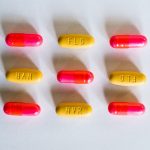









GLP-1 supplements lack the pharmacokinetic profile and bioavailability of FDA-approved GLP-1 receptor agonists, with no clinical evidence supporting efficacy for weight loss or metabolic improvement. Family physicians must counsel patients that oral GLP-1 supplements cannot replicate the therapeutic effects of injectable GLP-1 medications and should not be recommended as alternatives to evidence-based pharmacotherapy for weight management. This distinction is critical for preventing patient harm from ineffective treatments and protecting clinical credibility when managing metabolic disease.
The distinction between GLP-1 receptor agonist pharmaceuticals and over-the-counter supplements marketed as GLP-1 alternatives represents an important clinical consideration for prescribers. The available pharmaceutical GLP-1 receptor agonists such as semaglutide, tirzepatide, and liraglutide have demonstrated substantial weight loss efficacy in randomized controlled trials, with semaglutide showing mean weight reductions of 10-22% depending on dose and duration of treatment. These prescription medications function as direct GLP-1 receptor agonists with well-characterized pharmacokinetics and pharmacodynamics. In contrast, supplements marketed as GLP-1 alternatives typically contain ingredients purported to enhance endogenous GLP-1 secretion or activity, such as certain amino acids, plant extracts, or prebiotics, but lack the direct receptor binding mechanism and proven efficacy profile of pharmaceutical GLP-1 agonists.
The clinical evidence supporting GLP-1 supplements for weight loss remains limited and substantially different from the robust evidence base for prescription GLP-1 drugs. Supplement formulations generally lack large-scale randomized controlled trials demonstrating efficacy comparable to prescription alternatives. Most supporting data consists of in vitro studies, animal models, or small human observational studies. For clinicians considering recommendations to patients, the established weight loss and glycemic benefits of prescription GLP-1 receptor agonists should be weighed against the uncertain efficacy and unregulated manufacturing standards characteristic of supplement products. Patients interested in GLP-1-based therapy should be informed of the significant gap between the evidence supporting pharmaceutical GLP-1 agonists and the limited evidence for supplement-based alternatives.
Dealing with a condition like this?
Dr. Caplan has worked with 30,000+ patients on conditions like this. A consultation starts with your specific situation — not a generic protocol.
Book a consultation →Clinical Takeaway
GLP-1 supplements sold over-the-counter lack the active pharmaceutical ingredients found in FDA-approved GLP-1 receptor agonists and have not demonstrated comparable efficacy for weight loss in clinical trials. Patients seeking GLP-1 therapy for weight management should be counseled that only prescription medications like semaglutide and tirzepatide have robust evidence supporting weight reduction and metabolic benefits. When discussing weight loss options with patients, family physicians can clarify that supplement marketing often conflates indirect metabolic support with the specific receptor activation required for meaningful GLP-1 effects. Establishing clear communication about the difference between supplements and medications helps manage patient expectations and prevents costly delays in evidence-based treatment.
“The fundamental issue here is that GLP-1 supplements and GLP-1 receptor agonist medications operate in completely different pharmacological universes. Supplements claiming GLP-1 activity lack the bioavailability and receptor binding specificity of FDA-approved agents like semaglutide or tirzepatide, and patients deserve an honest conversation about this distinction rather than false equivalency. When counseling patients, I’m explicit that while certain natural compounds may have modest metabolic effects, they cannot replicate the 15 to 22 percent weight loss achieved in rigorous clinical trials with prescription GLP-1 drugs. The cost differential is real, but it should never drive us toward inferior options when we have evidence-based medications that meaningfully improve cardiometabolic outcomes.”
💬 Join the Conversation
Have a question about how this applies to your situation? Ask Dr. Caplan →
Want to discuss this topic with other patients and caregivers? Join the forum discussion →
Have thoughts on this? Share it:


Table of Contents
- FAQ
- What is the difference between GLP-1 supplements and GLP-1 drugs?
- Do GLP-1 supplements actually work for weight loss?
- Why are GLP-1 drugs more expensive than supplements?
- Can I get a GLP-1 drug without a prescription?
- What should I look for if I’m considering a GLP-1 supplement?
- Are GLP-1 supplements safe?
- How do prescription GLP-1 drugs work differently than supplements?
- Will insurance cover GLP-1 supplements?
- What questions should I ask my doctor about GLP-1 therapy?
- If supplements do not work, should I ask my doctor about prescription GLP-1 drugs?
- Read next
FAQ
What is the difference between GLP-1 supplements and GLP-1 drugs?
GLP-1 drugs are prescription medications like semaglutide and tirzepatide that are FDA-approved and contain the actual GLP-1 hormone or a synthetic version. GLP-1 supplements are over-the-counter products that claim to support GLP-1 activity but do not contain the active hormone itself and lack FDA approval for weight loss.
Do GLP-1 supplements actually work for weight loss?
There is limited scientific evidence that over-the-counter GLP-1 supplements are effective for weight loss. The most robust clinical data supporting weight loss comes from prescription GLP-1 medications, not supplements.
Why are GLP-1 drugs more expensive than supplements?
GLP-1 prescription drugs are more expensive because they undergo rigorous FDA testing and approval, are manufactured under strict quality standards, and have demonstrated safety and efficacy in clinical trials. Supplements do not require this same level of testing or oversight.
Can I get a GLP-1 drug without a prescription?
No, GLP-1 weight loss medications like semaglutide and tirzepatide are only available by prescription from a healthcare provider who determines if the medication is appropriate for you.
What should I look for if I’m considering a GLP-1 supplement?
Look for products that have third-party testing and clear ingredient labeling, but understand that supplements are not regulated the same way as medications and lack proven effectiveness for weight loss. Always discuss any supplement with your doctor before starting.
Are GLP-1 supplements safe?
Supplements are not regulated by the FDA with the same rigor as medications, so safety data is often limited. Some may contain ingredients that interact with medications or cause side effects, which is why you should consult your doctor before use.
How do prescription GLP-1 drugs work differently than supplements?
Prescription GLP-1 drugs directly activate GLP-1 receptors in your brain and body to reduce appetite and improve blood sugar control, with effects proven in large clinical trials. Supplements may contain ingredients that theoretically support GLP-1 function but lack this direct mechanism and proven results.
Will insurance cover GLP-1 supplements?
Insurance typically does not cover over-the-counter supplements because they are not FDA-approved medications. Prescription GLP-1 drugs may be covered by insurance depending on your specific plan and medical indication.
What questions should I ask my doctor about GLP-1 therapy?
Ask your doctor whether you are a candidate for prescription GLP-1 medication, what the expected outcomes are for your specific situation, what side effects to watch for, and whether your insurance will cover the treatment. Your doctor can also advise against unproven supplements.
If supplements do not work, should I ask my doctor about prescription GLP-1 drugs?
Yes, if you have tried lifestyle modifications and supplements have not produced results, discussing prescription GLP-1 medication with your doctor is appropriate. Your doctor can evaluate your medical history and determine if a prescription GLP-1 drug is safe and effective for you.