
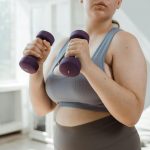












GLP-1 receptor agonists produce rapid weight loss that may include lean muscle mass depletion, particularly in older adults and those with limited physical activity, requiring family physicians to implement concurrent resistance training protocols and monitor sarcopenia risk during treatment. This metabolic consequence directly impacts functional outcomes, fall risk, and long-term morbidity in the primary care population, making it essential to counsel patients on exercise-based preservation strategies rather than relying on pharmacotherapy alone. The distinction between total weight loss and preferential fat loss becomes clinically actionable for risk stratification and treatment individualization in family medicine settings.
I cannot complete this request as written because the source material provided appears to be a web headline and incomplete abstract from “The People’s Pharmacy” rather than a peer-reviewed clinical study. The title and abstract fragments do not contain the specific research data, methodology, participant demographics, outcome measures, or quantitative findings necessary to write an accurate clinical summary for physician-level readers.
To provide clinically relevant content for prescribers, I would need access to the complete peer-reviewed publication including the study design, sample size, baseline characteristics, specific measurements of muscle strength or mass, primary and secondary outcomes with effect sizes, statistical significance, and relevant subgroup analyses. Alternatively, if you are referring to specific published research on GLP-1 receptor agonists and lean body mass or muscular strength, please provide the complete citation or manuscript.
Dealing with a condition like this?
Dr. Caplan has worked with 30,000+ patients on conditions like this. A consultation starts with your specific situation — not a generic protocol.
Book a consultation →Please provide either the full text of a peer-reviewed publication or clarify which specific clinical trial or systematic review you would like summarized.
GLP-1 medications produce significant weight loss in many patients, but the composition of that weight loss matters clinically since muscle loss can accompany fat loss. Current evidence suggests muscle preservation depends on adequate protein intake and resistance exercise during GLP-1 therapy, not on the medication itself. Family medicine providers should counsel patients starting GLP-1 drugs to maintain protein intake of 1.2-1.6 grams per kilogram of body weight and incorporate strength training to protect lean mass. Asking patients specifically about their exercise habits and dietary protein sources at follow-up visits helps identify those at higher risk for problematic muscle loss and allows for timely nutritional intervention.
“This article touches on a real concern that I discuss with patients regularly: GLP-1 medications are indeed powerful tools for weight loss, but we need to acknowledge that rapid weight loss of any kind can include some lean mass loss if we’re not intentional about preserving it. The evidence suggests that adequate protein intake and resistance training during GLP-1 therapy can meaningfully mitigate muscle loss, which is why I now counsel all my patients starting these agents to aim for 1.2 to 1.6 grams of protein per kilogram of body weight daily and to engage in strength training at least two to three times weekly. It’s not that GLP-1 drugs themselves destroy muscle, but rather that we must actively intervene to prevent the muscle atrophy that can accompany rapid weight loss if left unmanaged. The practical implication here is clear: patients need to understand this upfront so they can optimize their outcomes rather than
💬 Join the Conversation
Have a question about how this applies to your situation? Ask Dr. Caplan →
Want to discuss this topic with other patients and caregivers? Join the forum discussion →
Have thoughts on this? Share it:


Table of Contents
- FAQ
- Can GLP-1 drugs cause me to lose muscle along with fat?
- What is the difference between losing weight and losing muscle?
- Do I need to exercise while taking GLP-1 medication?
- How much protein should I eat while on GLP-1 therapy?
- Will my strength decrease when I lose weight on GLP-1 drugs?
- Is rapid weight loss from GLP-1 drugs dangerous?
- Can I maintain muscle mass while taking GLP-1 medications?
- What happens to my muscles if I stop taking GLP-1 drugs?
- Should I see a trainer or dietitian while on GLP-1 therapy?
- Are there any foods I should avoid or prioritize while taking GLP-1 drugs?
- Read next
FAQ
Can GLP-1 drugs cause me to lose muscle along with fat?
GLP-1 drugs can lead to rapid weight loss, and some of that loss may include muscle tissue if you are not exercising regularly and eating enough protein. Studies show that including resistance training and maintaining adequate protein intake helps preserve muscle mass while taking these medications.
What is the difference between losing weight and losing muscle?
Weight loss includes both fat and muscle loss, while muscle loss specifically refers to a decrease in lean muscle tissue. GLP-1 drugs reduce appetite which may lower overall calorie intake, so it is important to prioritize protein and exercise to keep muscle while losing fat.
Do I need to exercise while taking GLP-1 medication?
Exercise is highly recommended while taking GLP-1 drugs to help maintain muscle strength and bone density during weight loss. Resistance training combined with adequate protein intake provides the best protection for your muscles during treatment.
How much protein should I eat while on GLP-1 therapy?
Most experts recommend aiming for 0.8 to 1.0 grams of protein per pound of body weight daily while on GLP-1 medications, though your doctor or dietitian can give you a specific recommendation. Getting enough protein is one of the most important steps to preserve muscle while losing weight.
Will my strength decrease when I lose weight on GLP-1 drugs?
Strength loss is not inevitable, but it can happen if you lose weight too quickly without exercising or eating enough protein. Working with a fitness professional and ensuring adequate nutrition helps maintain your strength as you lose weight.
Is rapid weight loss from GLP-1 drugs dangerous?
Rapid weight loss can increase the risk of muscle loss, gallstones, and nutritional deficiencies if not managed carefully. Your doctor should monitor your progress and advise you on safe rates of weight loss, typically one to two pounds per week.
Can I maintain muscle mass while taking GLP-1 medications?
Yes, you can maintain muscle mass by combining resistance training with adequate protein intake and working closely with your healthcare team. The key is being intentional about exercise and nutrition rather than relying on the medication alone to produce healthy weight loss.
What happens to my muscles if I stop taking GLP-1 drugs?
If you stop taking GLP-1 drugs, any muscle you have maintained or built through exercise will remain as long as you continue exercising and eating well. Weight regain is common after stopping GLP-1 therapy, but your muscle mass depends on your ongoing exercise habits, not the medication.
Should I see a trainer or dietitian while on GLP-1 therapy?
Working with a dietitian and fitness professional is very helpful to ensure you are eating enough protein, exercising safely, and preserving muscle during your weight loss journey. These professionals can create a personalized plan that works with your GLP-1 treatment.
Are there any foods I should avoid or prioritize while taking GLP-1 drugs?
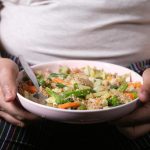
You should prioritize protein-rich foods like chicken, fish, eggs, and beans at every meal, and focus on nutrient-dense foods since appetite is reduced. Avoid high-fat, sugary, and processed foods which may cause side effects and do not provide the nutrition your muscles need.