


























Driver Banned After Exceeding Delta-9-Tetrahydrocannabinol Limit in Barry – Hemp Gazette


#68 Notable Clinical Interest
Emerging findings or policy developments worth monitoring closely.
Clinicians should be aware that jurisdictions are now enforcing specific THC impairment limits for drivers, making it essential to counsel patients about cannabis use and driving safety, particularly those using high-potency products. Understanding these legal thresholds helps clinicians provide accurate risk information when discussing cannabis with patients and informs conversations about when patients should abstain from driving after use. Healthcare providers need to recognize that THC impairment does not correlate linearly with blood levels, making patient education about individual impairment variability critical for reducing driving-related harms.
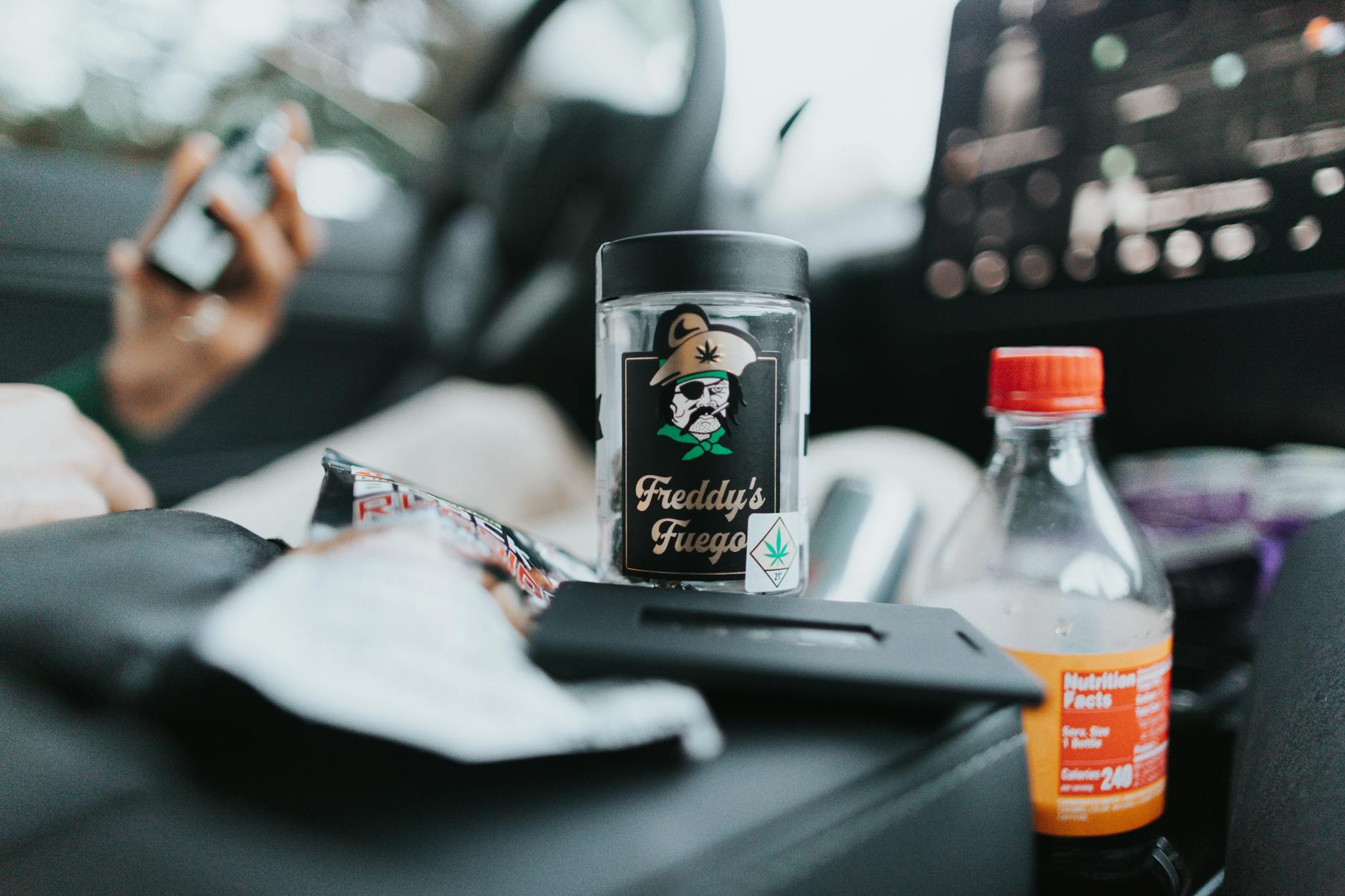
This case illustrates the implementation of legal delta-9-tetrahydrocannabinol (THC) driving limits in jurisdictions where cannabis use is permitted or regulated. The enforcement of specific THC thresholds for drivers represents a public health and safety measure designed to reduce impaired driving similar to alcohol regulation, though the relationship between blood THC levels and driving impairment remains pharmacologically complex and not yet standardized across all jurisdictions. For clinicians, this highlights the importance of counseling patients who use cannabis about the risks of driving and the legal consequences of exceeding established THC limits, particularly given the variable pharmacokinetics of THC across different routes of administration and individual factors like tolerance. The case also underscores a growing regulatory landscape where cannabis use, while legally permissible in some regions, carries specific restrictions and enforcement mechanisms that patients should understand. Clinicians should be aware of local THC driving laws and include impairment and driving safety in their risk assessment discussions with cannabis-using patients.
“We need driving impairment standards based on actual functional impairment rather than arbitrary THC blood levels, because a positive test tells us nothing about whether someone is actually impaired—unlike breath alcohol measurements—and this gap between detection and impairment is causing real injustice for patients who use cannabis therapeutically and drive responsibly.”
? The enforcement of delta-9-tetrahydrocannabinol (THC) limits for drivers represents a growing public health approach to cannabis-impaired driving, yet clinicians should recognize that establishing safe THC thresholds remains scientifically complex and differs substantially from alcohol impairment standards. Unlike blood alcohol concentration, THC levels correlate poorly with impairment severity, and factors such as tolerance, route of administration, individual metabolism, and time since use create significant variability in how blood or oral fluid concentrations translate to driving risk. Healthcare providers should be aware that patients may face legal consequences for cannabis use that occurred hours or even days before driving, even if subjective impairment has resolved, which may create tension between therapeutic cannabis recommendations and legal compliance. When counseling patients about cannabis use, clinicians should explicitly discuss local driving laws and THC limits, assess individual risk factors for impaired driving, and document discussions about the uncertain
This topic comes up in consultations often.
Dr. Caplan offers clinical context on evolving cannabis policy and its real-world implications for patients.
Book a consultation →💬 Join the Conversation
Have a question about how this applies to your situation? Ask Dr. Caplan →
Want to discuss this topic with other patients and caregivers? Join the forum discussion →
Have thoughts on this? Share it: