

















#68
Notable Clinical Interest
Emerging findings or policy developments worth monitoring closely.
Clinicians need to understand cannabis cultivation’s substantial water demands and environmental sustainability implications, as these factors increasingly affect product availability, pricing, and supply chain reliability for patients who depend on cannabis therapeutically. Environmental degradation from unregulated cannabis farming in water-stressed regions can lead to contamination of water supplies and soil, potentially introducing harmful substances into the cannabis products patients consume. As climate change intensifies drought conditions, clinicians should anticipate potential shortages and price fluctuations in cannabis availability and counsel patients accordingly while supporting policy discussions around sustainable cultivation standards.
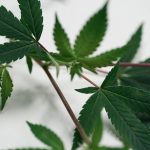
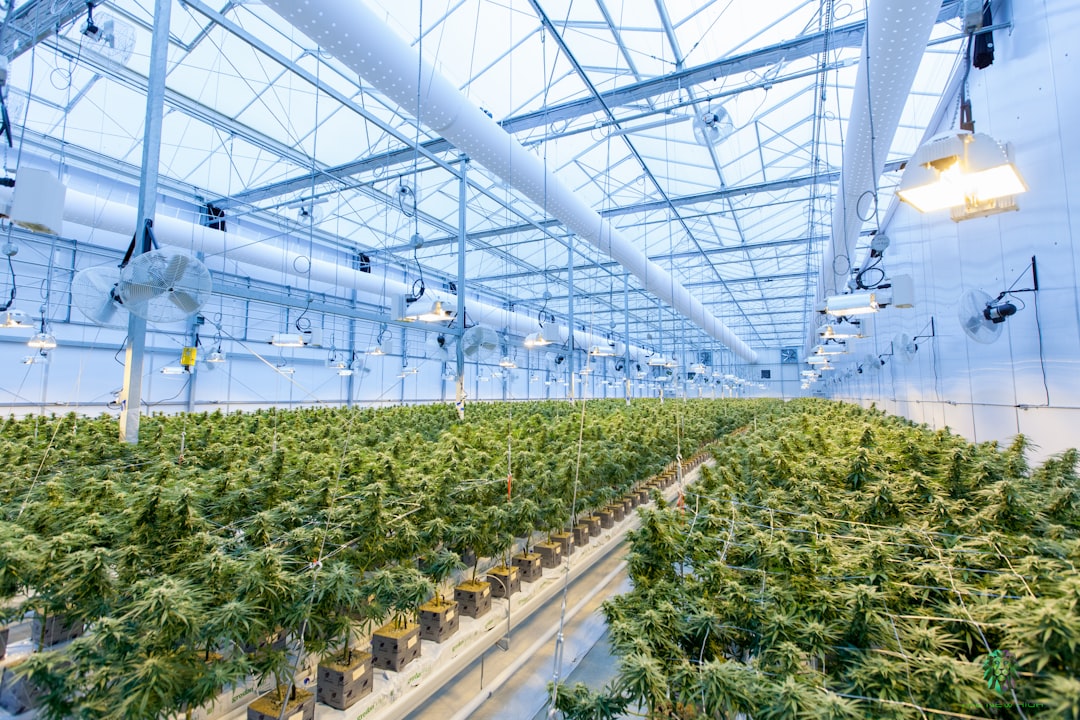
Cannabis cultivation consumes substantial water resources in regions already stressed by drought and climate change, with research indicating that indoor and outdoor growing operations can require thousands of gallons per pound of product. As the legal cannabis industry expands rapidly across multiple states, water usage patterns remain poorly regulated and monitored, creating potential conflicts with agricultural water availability and environmental sustainability in water-scarce regions. The environmental impact of cannabis production directly affects local communities dependent on shared water supplies and may influence the geographic distribution and viability of legal cultivation operations. Clinicians should be aware that cannabis sourcing practices and environmental sustainability may become relevant factors in counseling patients about product choice and industry ethics. For patients and providers, understanding the environmental footprint of cannabis production highlights the importance of supporting regulated operations with transparent water management practices and may inform discussions about product sourcing and environmental responsibility.
“We’re seeing cannabis cultivation become increasingly water-intensive in regions already stressed by drought, and as physicians we need to recognize that the environmental cost of medicine ultimately becomes a public health cost. Until we develop serious water stewardship standards for growers, we’re essentially asking patients to choose between their own health needs and the health of their communities.”
? While cannabis cultivation’s substantial water demands have received less attention than other agricultural commodities, the environmental pressures highlighted in water-stressed regions warrant clinical awareness given the potential public health implications of both the crop itself and its cultivation practices. The industry’s heterogeneity—spanning legal regulated operations to illicit grows with minimal environmental oversight—creates variable impacts that are difficult to quantify systematically, and regional drought severity, local water governance, and cultivation methods (indoor versus outdoor) all significantly influence the actual water footprint and associated environmental consequences. Clinicians should recognize that patients cultivating cannabis in water-scarce regions may face competing pressures between medical or financial needs and environmental stewardship, while communities experiencing drought may experience indirect health effects from agricultural water depletion. As cannabis legalization expands, understanding local water sustainability in relation to cultivation can inform more holistic patient counseling about sourcing and environmental responsibility, and may support broader advocacy for sustainable industry
💬 Join the Conversation
Have a question about how this applies to your situation?
Ask Dr. Caplan →
Want to discuss this topic with other patients and caregivers?
Join the forum discussion →
Have thoughts on this? Share it: