
























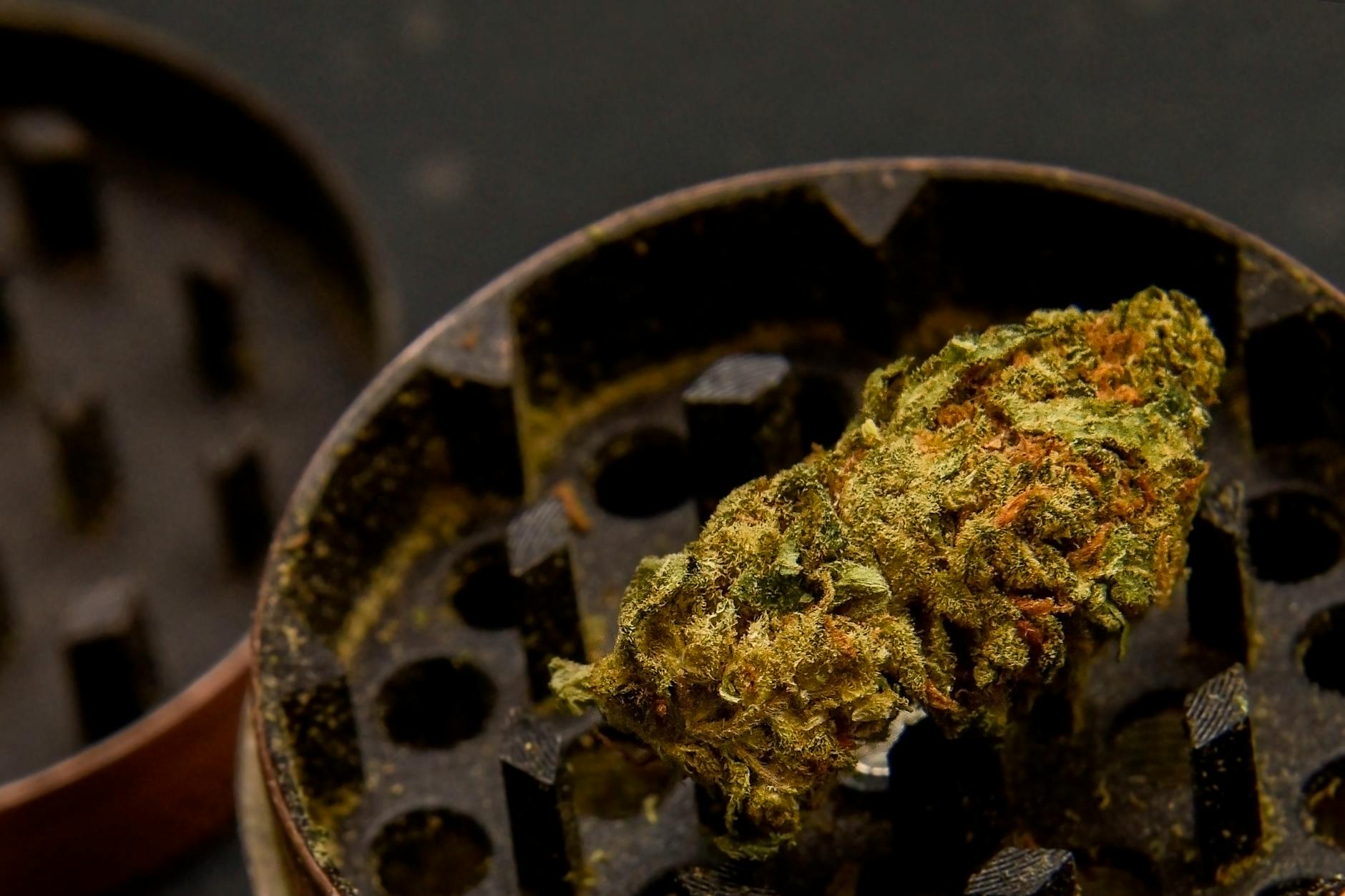

Illegal cultivation operations often produce cannabis with unknown potency, contamination risks, and inconsistent cannabinoid profiles that can compromise patient safety. These enforcement actions highlight the ongoing tension between expanding legal access and persistent illicit markets that may supply patients unable to access regulated dispensaries.
Local law enforcement discovered an unlicensed cannabis cultivation facility, representing the type of unregulated production that exists parallel to legal markets. Illicit operations typically lack testing protocols for pesticides, heavy metals, microbials, and cannabinoid content that are standard in regulated markets. Without laboratory verification, products from such sources carry unknown health risks and unpredictable therapeutic effects.
“I counsel patients that source matters as much as strain when it comes to cannabis medicine. The difference between regulated and unregulated products isn’t just legal—it’s a fundamental safety and efficacy issue that affects treatment outcomes.”
💬 Join the Conversation
This topic comes up in consultations often.
Dr. Caplan offers clinical context on evolving cannabis policy and its real-world implications for patients.
Book a consultation →Have a question about how this applies to your situation? Ask Dr. Caplan →
Want to discuss this topic with other patients and caregivers? Join the forum discussion →
Have thoughts on this? Share it:
Table of Contents
- FAQ
- What is the clinical relevance rating for this cannabis news?
- What are the main safety concerns highlighted in this cannabis report?
- Why is cannabis quality control important for medical patients?
- What role do regulations play in cannabis patient safety?
- How should healthcare providers stay informed about cannabis contamination issues?
- Read next
FAQ
What is the clinical relevance rating for this cannabis news?
This article has been assigned CED Clinical Relevance #70, indicating “Notable Clinical Interest.” This means the findings or policy developments are considered emerging and worth monitoring closely by healthcare professionals.
What are the main safety concerns highlighted in this cannabis report?
The article focuses on patient safety issues related to cannabis quality and contamination concerns. These are key regulatory topics that directly impact patient health and treatment outcomes.
Why is cannabis quality control important for medical patients?
Cannabis quality control ensures patients receive consistent, safe products free from harmful contaminants. Poor quality control can lead to unpredictable dosing and potential health risks from pesticides, heavy metals, or microbial contamination.
What role do regulations play in cannabis patient safety?
Regulations establish standards for testing, labeling, and quality assurance in cannabis products. Proper regulatory oversight helps protect patients by ensuring products meet safety and potency requirements before reaching consumers.
How should healthcare providers stay informed about cannabis contamination issues?
Healthcare providers should monitor emerging research and regulatory updates about cannabis contamination risks. Staying informed helps clinicians make better recommendations and counsel patients about potential safety concerns with cannabis products.