






























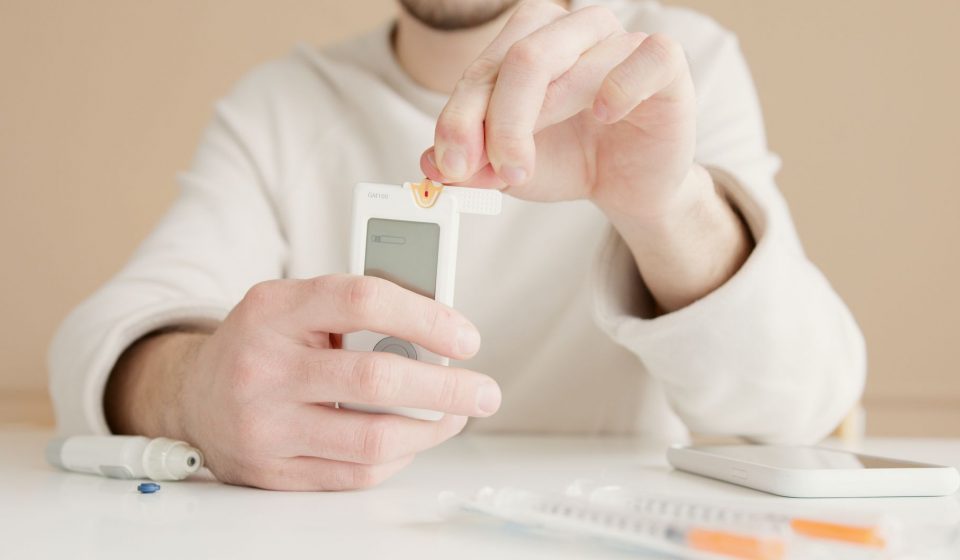

The clinical efficacy of GLP-1 receptor agonists for weight management in non-diabetic individuals has been established through randomized controlled trials demonstrating significant reductions in body weight and improvements in cardiometabolic parameters. Semaglutide at 2.4 mg weekly showed mean weight loss of approximately 10-12% of baseline body weight over 68 weeks in the STEP trials, while tirzepatide, a dual GIP/GLP-1 receptor agonist, demonstrated superior efficacy with mean weight loss ranging from 15-22% depending on dose over comparable treatment periods. These agents significantly reduce body mass index, improve insulin sensitivity, and favorably affect lipid profiles and blood pressure in non-diabetic populations. Additionally, cardiovascular outcome data from the SELECT trial demonstrated that semaglutide 2.4 mg weekly reduced major adverse cardiovascular events by 20% in non-diabetic individuals with established cardiovascular disease and elevated body mass index, providing evidence for cardiovascular protection beyond weight reduction alone.
The safety profile in non-diabetic users is characterized primarily by gastrointestinal adverse effects, with nausea reported in 25-50% of patients, vomiting in 10-25%, and diarrhea or constipation in 20-40% depending on the agent and dose. These effects typically manifest during dose escalation and diminish over time with continued use. Hypoglycemia is uncommon in non-diabetic patients given the glucose-dependent mechanism of GLP-1 agonists. Pancreatitis, though rare, has been reported at frequencies consistent with or lower than background population incidence. Thyroid C-cell adenoma concerns from animal studies have not translated to increased thyroid malignancy in human trials, though thyroid monitoring is recommended in patients with personal or family history of medullary thyroid carcinoma or multiple endocrine neoplasia type 2.
Dealing with a condition like this?
Dr. Caplan has worked with 30,000+ patients on conditions like this. A consultation starts with your specific situation — not a generic protocol.
Book a consultation →Cost remains a significant barrier for non-diabetic patients, with monthly costs for brand-name formulations ranging from 900 to 1,500 dollars without insurance coverage, though some plans are beginning to cover these agents for weight management in patients meeting specific criteria. The clinical
💬 Join the Conversation
Have a question about how this applies to your situation? Ask Dr. Caplan →
Want to discuss this topic with other patients and caregivers? Join the forum discussion →
Have thoughts on this? Share it:


Table of Contents
- FAQ
- What exactly is a GLP-1 medication and how does it help with weight loss?
- Can I use GLP-1 drugs for weight loss if I don’t have diabetes?
- What kind of weight loss results can I realistically expect?
- What are the most common side effects of GLP-1 medications?
- Are GLP-1 drugs safe for long-term use in non-diabetics?
- How much does GLP-1 weight loss medication cost?
- How often do I need to take GLP-1 injections?
- What happens to my weight if I stop taking GLP-1 medication?
- Can I take GLP-1 medication while taking other weight loss drugs?
- Will my insurance cover GLP-1 weight loss medication if I don’t have diabetes?
- Read next
FAQ
What exactly is a GLP-1 medication and how does it help with weight loss?
GLP-1 medications are injectable drugs that mimic a natural hormone your body makes to control appetite and blood sugar. They work by slowing how fast your stomach empties and sending signals to your brain that make you feel fuller with less food, which helps you eat fewer calories and lose weight.
Can I use GLP-1 drugs for weight loss if I don’t have diabetes?
Yes, GLP-1 medications like semaglutide and tirzepatide are approved by the FDA for weight loss in people without diabetes who are overweight or obese. Studies show these medications work effectively for weight loss in non-diabetic patients when combined with diet and exercise changes.
What kind of weight loss results can I realistically expect?
Clinical trial data shows that patients on GLP-1 therapy lose approximately 10 to 22 percent of their body weight over one year, depending on the specific medication and dosage. Results vary by individual, and weight loss typically requires continuing the medication alongside healthy eating and physical activity.
What are the most common side effects of GLP-1 medications?
The most frequent side effects are nausea, vomiting, diarrhea, and constipation, especially when starting the medication or increasing the dose. These gastrointestinal effects usually improve over time as your body adjusts to the medication.
Are GLP-1 drugs safe for long-term use in non-diabetics?
Available safety data supports long-term use in non-diabetics, though ongoing monitoring is important as these medications continue to be studied. Your doctor will regularly check your health and adjust your treatment if needed to ensure the benefits outweigh any risks.
How much does GLP-1 weight loss medication cost?
GLP-1 medications typically cost between 900 and 1,500 dollars per month without insurance coverage. Many insurance plans now cover these medications for weight loss, though coverage varies, and some patients may qualify for patient assistance programs offered by manufacturers.
How often do I need to take GLP-1 injections?
Most GLP-1 medications are injected once weekly, making them convenient to use as part of your routine. You inject the medication under your skin yourself at home, similar to how insulin is administered.
What happens to my weight if I stop taking GLP-1 medication?
Most patients regain weight after stopping GLP-1 therapy, often returning close to their starting weight within one to two years. This is why these medications are typically considered long-term treatments that require ongoing use to maintain weight loss.
Can I take GLP-1 medication while taking other weight loss drugs?
GLP-1 medications should not be combined with other weight loss medications like phentermine without explicit approval from your doctor. Your physician will review all your medications and medical history to determine what is safe and appropriate for you.
Will my insurance cover GLP-1 weight loss medication if I don’t have diabetes?
Coverage varies significantly by insurance plan and individual circumstances, but many major insurers now cover GLP-1 medications for weight loss in non-diabetics with obesity or overweight status plus weight-related health conditions. Contact your insurance company or ask your doctor’s office to check your specific coverage before starting treatment.