

























Clinical Takeaway
A single dose of 10 mg THC combined with 200 mg CBD reduced total sleep time by approximately 25 minutes in insomnia patients, contrary to expected sleep-promoting effects. This pilot study suggests that oral cannabinoid combinations may not improve objective sleep architecture despite their popular use as sleep aids. Higher-quality trials with larger sample sizes are needed to clarify cannabinoid effects on sleep and whether benefits outweigh potential reductions in sleep duration.

#10 Acute Effects of Oral Cannabinoids on Sleep and High-Density EEG in Insomnia: A Pilot Randomised Controlled Trial.
Citation: Suraev Anastasia et al.. Acute Effects of Oral Cannabinoids on Sleep and High-Density EEG in Insomnia: A Pilot Randomised Controlled Trial.. Journal of sleep research. 2026. PMID: 40631525.
Design: 5 Journal: 0 N: 0 Recency: 3 Pop: 2 Human: 1 Risk: 0
Methodological Considerations:
- Self-reported outcomes — recall and social-desirability bias risk
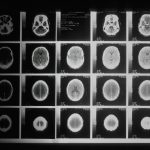
Abstract: Cannabinoids, particularly Δ9-tetrahydrocannabinol (THC) and cannabidiol (CBD), have gained popularity as alternative sleep aids; however, their effects on sleep architecture and next-day function remain poorly understood. Here, in a pilot trial, we examined the effects of a single oral dose containing 10 mg THC and 200 mg CBD (THC/CBD) on objective sleep outcomes and next-day alertness using 256-channel high-density EEG in 20 patients with DSM-5 diagnosed insomnia disorder (16 female; mean (SD) age, 46.1 (8.6) years). We showed that THC/CBD decreased total sleep time (-24.5 min, p = 0.05, d = -0.5) with no change in wake after sleep onset (+10.7 min, p > 0.05) compared to placebo. THC/CBD also significantly decreased time spent in REM sleep (-33.9 min, p < 0.001, d = -1.5) and increased latency to REM sleep (+65.6 min, p = 0.008, d = 0.7). High-density EEG analysis revealed regional decreases in gamma activity during N2 sleep, and in delta activity during N3 sleep, and a regional increase in beta and alpha activity during REM sleep. While there was no observed change in next-day objective alertness, a small but significant increase in self-reported sleepiness was noted with THC/CBD (+0.42 points, p = 0.02, d = 0.22). No changes in subjective sleep quality, cognitive performance, or simulated driving performance were observed. These findings suggest that a single dose of cannabinoids, particularly THC, may acutely influence sleep, primarily by suppressing REM sleep, without noticeable next-day impairment (≥ 9 h post-treatment). Australian New Zealand Clinical Trial Registry (ACTRN12619000714189) https://www.anzctr.org.au/.
| |