






















#50 Clinical Context
Background information relevant to the evolving cannabis medicine landscape.
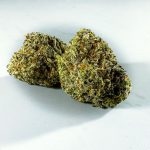
Recent clinical evidence increasingly questions the efficacy of cannabis for post-traumatic stress disorder (PTSD), contradicting widespread patient and provider assumptions about its therapeutic benefit. While many patients report subjective symptom relief, rigorous randomized controlled trials and systematic reviews demonstrate limited objective evidence that cannabis meaningfully improves PTSD outcomes compared to standard psychotherapies or FDA-approved medications like SSRIs. The gap between perceived benefit and measured clinical outcomes may reflect placebo effects, symptom misattribution, or temporary anxiety reduction that does not address core PTSD pathology. This evidence should prompt clinicians to critically reassess cannabis recommendations for PTSD and reinforce the importance of evidence-based first-line treatments including trauma-focused cognitive behavioral therapy and pharmacotherapy. Clinicians should engage PTSD patients in shared decision-making that honestly acknowledges the limited evidence for cannabis while emphasizing more robustly validated treatment options that directly target trauma processing and symptom resolution.
“The evidence simply doesn’t support cannabis as a first-line treatment for PTSD, and I tell my patients that directly—we have proven psychotherapies and medications with solid data, whereas cannabis studies show mostly subjective symptom relief without addressing the underlying trauma processing that actually leads to recovery.”
? While cannabis has become increasingly popular among veterans and civilians with post-traumatic stress disorder, emerging evidence suggests that purported benefits may be overstated or attributable to placebo effects rather than specific cannabinoid mechanisms. Recent data demonstrate limited rigorous evidence supporting cannabis efficacy for PTSD symptom reduction compared to established treatments like trauma-focused cognitive behavioral therapy and selective serotonin reuptake inhibitors, and some studies suggest potential harm through symptom exacerbation or dependence development in vulnerable populations. The disconnect between patient perception of benefit and objective clinical outcomes likely reflects complex factors including symptom heterogeneity in PTSD, reporting bias, and the natural course of symptom remission in some individuals. Clinicians should remain cautious about reinforcing cannabis as a first-line or adjunctive therapy, instead leveraging this uncertainty to guide patients toward evidence-based interventions while acknowledging that individual responses vary and that cannabis
This topic comes up in consultations often.
Dr. Caplan offers clinical context on evolving cannabis policy and its real-world implications for patients.
Book a consultation →? Join the Conversation
Have a question about how this applies to your situation? Ask Dr. Caplan →
Want to discuss this topic with other patients and caregivers? Join the forum discussion →
FAQ
This News item was assembled from structured source metadata and pipeline scoring.
Have thoughts on this? Share it: