
































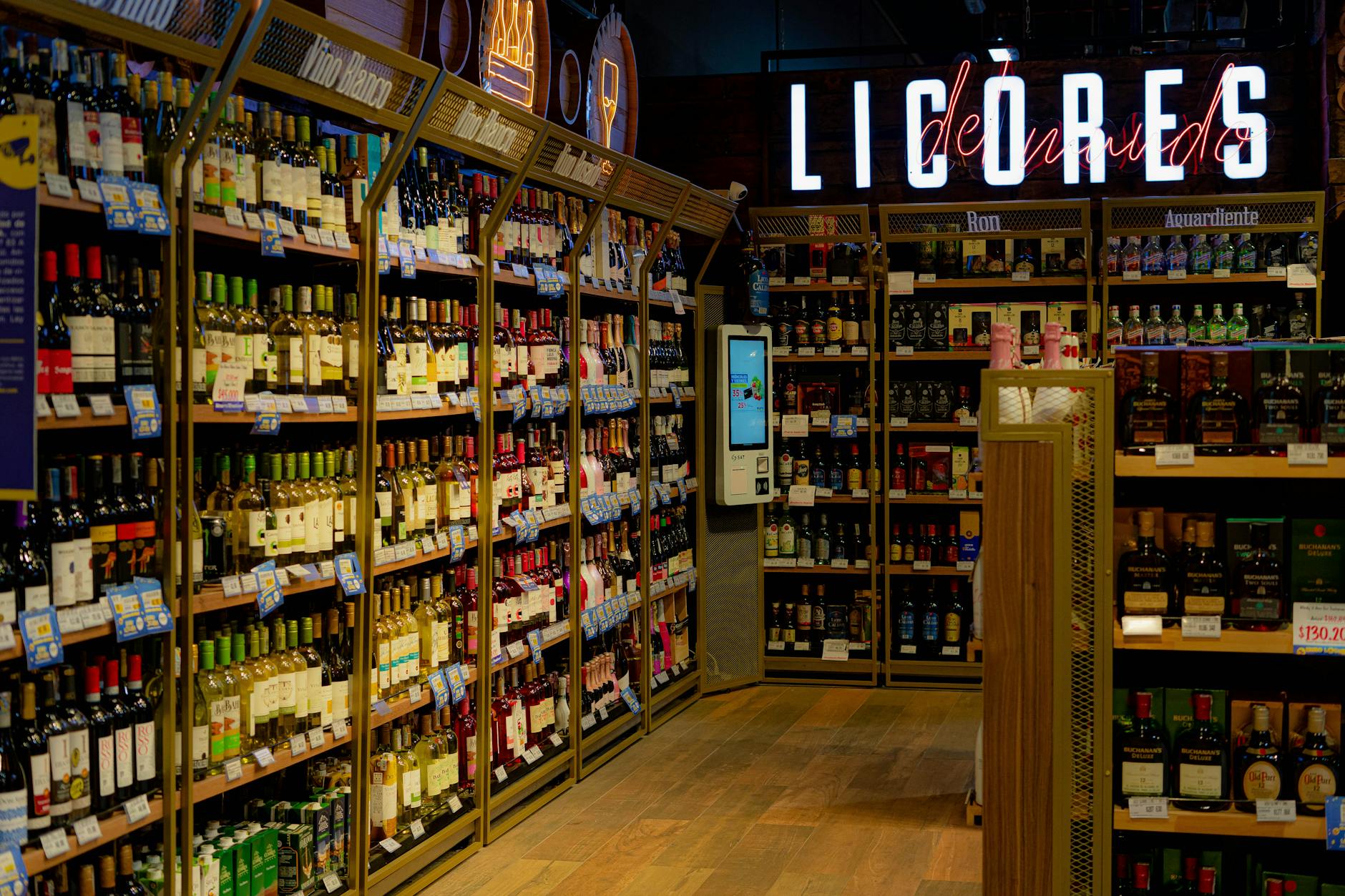
Cooney introduces bill to allow selling of low-potency cannabis beverages at liquor and wine stores


#55 Clinical Context
Background information relevant to the evolving cannabis medicine landscape.
A proposed bill would permit sales of low-potency cannabis beverages through existing liquor and wine retail channels, potentially expanding consumer access while creating a new product category in mainstream retail environments. This regulatory shift reflects evolving policy approaches to cannabis commercialization and could increase availability to patients seeking alternative consumption methods for medical purposes, though it also raises public health considerations regarding normalization and co-location with alcohol products. The bill’s focus on low-potency formulations suggests an attempt to balance access with safety, though clinicians should recognize that “low-potency” definitions vary by jurisdiction and may not align with individual patient cannabinoid requirements. For primary care and specialty physicians, this development underscores the need to remain informed about evolving product availability and retail landscapes in their state, as patients will increasingly encounter cannabis beverages in conventional stores rather than solely through dispensaries. Clinicians should anticipate patient questions about these products and be prepared to discuss potency labeling, dosing challenges with beverages, and interaction considerations, particularly for patients already using other medications or alcohol. Understanding local regulatory changes like this bill enables clinicians to provide evidence-based counsel about accessible cannabis products and their appropriate medical use.
“What concerns me clinically is that we’re designing retail access around convenience rather than safety, and that’s backwards. If we’re going to sell cannabis beverages alongside alcohol, we need mandatory dosing clarity and trained staff who can counsel on drug-drug interactions, not just a cashier who knows wine pairings.”
? While regulatory expansion of lower-potency cannabis products into existing alcohol retail channels may seem pragmatic from a public health standpoint—potentially displacing higher-potency alternatives and leveraging established distribution infrastructure—clinicians should recognize that normalizing cannabis alongside alcohol sales fundamentally alters patterns of concurrent or polysubstance use, about which we have limited longitudinal safety data. The assumption that “low-potency” beverages will preferentially attract moderate users rather than increase overall consumption rates remains empirically unproven, particularly among younger populations whose developing brains may be especially vulnerable to cannabis exposure. Providers should stay informed about local regulatory changes affecting patient access and be prepared to discuss cumulative risks when counseling patients about concurrent cannabis and alcohol use, including impaired driving, medication interactions, and potential gateway effects toward higher-potency products. Ultimately, until robust evidence demonstrates that retail co-location and beverage formulations reduce net cannabis-related h
This topic comes up in consultations often.
Dr. Caplan offers clinical context on evolving cannabis policy and its real-world implications for patients.
Book a consultation →💬 Join the Conversation
Have a question about how this applies to your situation? Ask Dr. Caplan →
Want to discuss this topic with other patients and caregivers? Join the forum discussion →
Have thoughts on this? Share it: